
Standing in pouring rain, I grabbed my favorite triangle cheese board and immediately appreciated its sturdy, hand-crafted feel—this isn’t your average serving platter. I’ve tested dozens of options, and nothing handles the tricky cuts like the Zavra Triangle Acacia Wood Charcuterie Board & Cheese Knife. The dense acacia surface is knife-friendly, resisting scratches even after piercing through aged gouda and crumbling parmesan. Plus, the whimsical triangle shape catches everyone’s eye and sparks conversation, making it perfect for gatherings. I was able to glide my cheese knife smoothly across the surface, feeling confident that it wouldn’t scar easily or stain.
After comparing similar boards, I found that this set’s solid craftsmanship and thoughtful design outshine cheaper, thinner options. Its water-resistant finish keeps it looking fresh longer and the included stainless steel cheese knife adds real value. If you want a stylish, durable, and easy-to-maintain piece that elevates your presentation, I recommend the Zavra Triangle Acacia Wood Charcuterie Board & Cheese Knife—trust me, it’s worth the small investment for standout cheese and charcuterie setups.
Top Recommendation: Zavra Triangle Acacia Wood Charcuterie Board & Cheese Knife
Why We Recommend It: This product stands out because of its high-quality 97.5% solid acacia wood, which offers durability and a knife-friendly surface that resists scratching from frequent slicing. Its unique triangle shape makes it both functional and eye-catching, ideal for highlighting best cuts like wedges, slices, or spears. The included stainless steel cheese knife is robust and smooth, ensuring clean cuts through various cheeses. Compared to thinner, less durable boards, this set’s craftsmanship and water-resistant finish promise long-lasting use, excellent for both casual and formal settings.
Zavra Triangle Acacia Wood Charcuterie Board & Cheese Knife
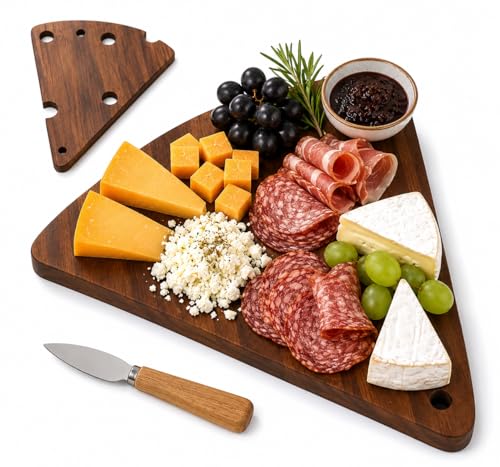
- ✓ Eye-catching triangular design
- ✓ Durable, knife-friendly surface
- ✓ Lightweight and portable
- ✕ Requires hand washing only
- ✕ Slightly limited size for large spreads
| Material | 97.5% solid Acacia wood with protective varnish finish |
| Dimensions | 11.5 x 10 inches (approximate, as specified) |
| Weight | 0.88 lbs |
| Knife Material | Stainless steel |
| Knife Length | 14.5 cm |
| Blade Thickness | 1.2 mm |
Surprisingly, the first thing that caught my eye was how the triangular shape instantly transforms any cheese platter from ordinary to Instagram-worthy. I didn’t expect a simple wedge-shaped board to make such an impact, but here we are.
The acacia wood feels solid and premium right out of the box. It’s 97.5% solid, so it’s dense and smooth, giving it that luxurious feel.
The protective varnish finish means I don’t have to worry too much about water rings or spills, which is a relief when hosting.
Handling the board is a breeze—at just 0.88 pounds, it’s lightweight enough to carry around or pass at a party. The size, 11.5 by 10 inches, feels perfect for a variety of cheeses, fruits, and add-ons without taking over the table.
The included stainless steel cheese knife is a nice touch. It glides effortlessly through firm cheeses like parmesan and gouda, making serving super easy.
The 1.2mm thick blade feels sturdy and durable, ready for frequent use.
What I really appreciate is its versatility. You can use it for charcuterie, fruit displays, or even small desserts.
Plus, it’s easy to clean—just hand wash and occasionally treat it with mineral oil to keep it looking fresh.
This board truly elevates any gathering with its unique shape and quality craftsmanship. It’s as functional as it is charming, making it a great gift or a special piece for your own collection.
What Types of Cheeses Are Best for a Triangle Cheese Charcuterie Board?
The best cuts for a triangle cheese charcuterie board include a variety of cheeses that complement each other in flavor, texture, and presentation.
- Brie: This soft, creamy cheese offers a rich and buttery flavor that contrasts beautifully with sharper cheeses. Its mild taste makes it an excellent starting point for a cheese board, and its round shape can be easily sliced into triangles for a visually appealing presentation.
- Cheddar: A classic choice, cheddar comes in various ages, from mild to sharp, providing a spectrum of flavors to choose from. Its firm texture allows for clean cuts, making it easy to create triangle pieces that hold together well on the board.
- Gorgonzola: This blue cheese adds a bold and tangy flavor to the mix, appealing to those who appreciate stronger cheeses. Its crumbly texture can be cut into smaller triangles or crumbled over other items on the board for an added burst of flavor.
- Manchego: A nutty and slightly sweet Spanish cheese that pairs wonderfully with fruits and cured meats. Its firm texture allows for neat triangle cuts, and its distinctive flavor profile enhances the overall variety of the cheese board.
- Goat Cheese: With its creamy texture and tangy flavor, goat cheese provides a delightful contrast to firmer cheeses. It can be served in a log form or crumbled into triangles, adding both visual interest and a pop of flavor to the board.
- Gruyère: This Swiss cheese is known for its rich, nutty flavor and smooth texture, making it a fantastic addition to a cheese board. Its ability to melt beautifully also allows it to be used in other dishes if leftovers remain.
How Do Cheese Varieties Complement Each Other in Flavor Profiles?
- Soft Cheeses: These cheeses, like Brie or Camembert, have a creamy texture and mild flavor that can balance stronger, aged cheeses. Their richness pairs well with fruits and nuts, making them versatile in a charcuterie setting.
- Aged Cheeses: Examples include Cheddar or Parmigiano-Reggiano, which have robust flavors due to the aging process. Their sharpness can contrast beautifully with the creaminess of soft cheeses, creating a delightful flavor balance.
- Blue Cheeses: Varieties like Gorgonzola or Roquefort introduce a bold, tangy flavor that can add depth to the board. Pairing blue cheese with sweeter accompaniments like honey or figs can soften its intensity and enhance the tasting experience.
- Goat Cheeses: These cheeses often have a tangy flavor that can brighten up the board. Their varied textures, from crumbly to creamy, allow them to pair well with both sweet and savory items, providing exciting contrasts.
- Flavored Cheeses: Cheeses infused with herbs, spices, or fruits, such as herbed goat cheese or cranberry cheddar, can introduce unique flavors that intrigue the palate. These cheeses can serve as conversation starters and add colorful visual appeal to the board.
What Are the Best Textures and Aging Levels for Cheese Selection?
The best textures and aging levels for cheese selection enhance the variety and visual appeal of a triangle cheese charcuterie board.
- Creamy Cheeses: These include cheeses like Brie and Camembert, which have a soft, runny texture that adds a luxurious mouthfeel. They pair well with fruits and crackers, making them a delightful addition to a charcuterie board.
- Medium-Hard Cheeses: Examples are Gouda and Gruyère, which offer a firmer texture with a slightly nutty flavor. These cheeses can be sliced or cubed, providing a pleasing contrast to creamier cheeses and adding depth to the board.
- Hard Cheeses: Cheeses like Parmigiano-Reggiano and Pecorino are aged for longer periods, resulting in a crumbly texture and strong flavors. Their intensity can balance out the milder cheeses and they are often grated or shaved to enhance presentation.
- Blue Cheeses: Varieties such as Roquefort and Gorgonzola possess a bold, tangy flavor with a crumbly texture due to the blue mold. Their distinct taste can serve as a conversation starter and complement sweet accompaniments like honey or fig jam.
- Fresh Cheeses: Cheese such as mozzarella and ricotta are young and unaged, featuring a soft and moist texture. Their mild flavor allows them to blend seamlessly with other items on the board, while also providing a refreshing element.
What Cured Meats Pair Well with Triangle Cheese Selections?
The best cured meats that pair well with triangle cheese selections are:
- Prosciutto: This Italian dry-cured ham is known for its delicate flavor and melt-in-your-mouth texture. Its salty and slightly sweet profile complements the creaminess of triangle cheeses, enhancing their flavors without overpowering them.
- Salami: A classic charcuterie choice, salami offers a robust, spicy flavor that contrasts beautifully with the mildness of triangle cheeses. The variety of salami types, from peppered to herbed, allows you to tailor the pairing to match specific cheese characteristics.
- Capicola: This Italian cured meat has a rich, savory flavor that pairs well with the tangy notes of triangle cheeses. Its slightly fatty texture adds an extra layer of mouthfeel, creating a delicious balance with the creaminess of the cheeses.
- Serrano Ham: A Spanish dry-cured ham, Serrano is known for its nutty and slightly sweet flavor. Its thin slices provide a mild yet flavorful pairing with triangle cheeses, making it an excellent choice for a sophisticated charcuterie board.
- Bresaola: This air-dried, salted beef has a deep, concentrated flavor and a tender texture. Its lean profile and subtle sweetness work well with triangle cheeses, adding a different meat element that enhances the overall tasting experience.
How Do Different Cured Meats Enhance the Cheese Experience?
- Prosciutto: This dry-cured ham is known for its delicate and savory flavor, which pairs beautifully with creamy cheeses. The saltiness of prosciutto complements the richness of cheeses like Brie or Camembert, creating a balanced taste that is both luxurious and satisfying.
- Salami: With its robust and spicy profile, salami offers a contrast to milder cheeses. The variety of spices used in salami can enhance the flavors of cheeses such as aged cheddar or gouda, making for a dynamic taste experience that invites exploration of different pairings.
- Chorizo: This highly seasoned Spanish sausage brings a smoky and slightly spicy kick to the board. When paired with tangy cheeses like goat cheese or a sharp blue cheese, chorizo adds depth and complexity, creating a delightful contrast that excites the palate.
- Bresaola: Air-dried and salted, bresaola is lean and has a slightly sweet flavor profile that complements nutty cheeses like Parmigiano-Reggiano. The tender texture and rich umami notes of bresaola can elevate the cheese experience, offering a sophisticated pairing option.
- Serrano Ham: This Spanish cured ham is characterized by its nutty and slightly sweet flavor. Serrano ham pairs well with milder cheeses like mozzarella or fresh ricotta, enhancing their natural flavors while adding a touch of saltiness that brightens the overall taste.
What Are the Flavor Profiles of Popular Cured Meats?
Bresaola is often served thinly sliced and can be complemented by olive oil and arugula, showcasing its rich flavor that pairs well with sharp cheeses.
Pancetta adds a luxurious touch to any board, as it can be enjoyed on its own or wrapped around fruits or vegetables, enhancing both taste and presentation.
What Fresh Fruits Should You Include on a Triangle Cheese Charcuterie Board?
When creating a triangle cheese charcuterie board, it’s essential to include fresh fruits that complement the cheeses and meats beautifully.
- Grapes: Grapes are a classic choice for charcuterie boards due to their sweetness and crisp texture. They can be served whole or sliced, and their refreshing taste pairs well with both soft and hard cheeses.
- Figs: Fresh figs provide a unique, honey-like sweetness that contrasts wonderfully with savory cheeses. Their soft texture and rich flavor make them an elegant addition that can elevate the overall presentation of the board.
- Apples: Sliced apples, particularly varieties like Granny Smith or Honeycrisp, offer a nice crunch and a balance of tartness and sweetness. They are versatile enough to complement a wide range of cheeses, from sharp cheddars to creamy bries.
- Pears: Similar to apples, pears bring a juicy sweetness that enhances the flavors of the accompanying cheeses. Their soft, buttery texture, especially when ripe, pairs well with blue cheeses and other creamy options.
- Berries: Strawberries, blueberries, and raspberries add vibrant colors to the board and a burst of tartness that contrasts well with rich meats and cheeses. They are also easy to eat and add a refreshing element to the overall flavor profile.
How Do Fruits Balance the Flavors of Cheese and Meat?
Aromatic fruits like peaches or apricots can elevate the sensory experience by adding enticing fragrances that complement the savory notes of cheese and meat. Their subtle sweetness and aroma invite guests to indulge and explore the various combinations available.
Incorporating seasonal fruits not only ensures freshness but also allows for unique flavor pairings that highlight the best cuts of cheese and charcuterie. Seasonal fruits can introduce new and exciting tastes that keep the charcuterie board dynamic and appealing throughout the year.
What Are the Seasonal Fruits That Work Best?
The best cuts for a triangle cheese charcuterie board provide a delightful mix of flavors and textures.
- Cheddar: A classic choice, cheddar comes in various ages, from mild to sharp, allowing for a range of flavors that can complement other cheeses and meats on the board.
- Brie: This soft cheese has a creamy texture with a rich, buttery flavor, making it an excellent contrast to harder cheeses and providing a luxurious touch to the board.
- Gouda: Known for its sweet and nutty profile, gouda can be found in both young and aged varieties, adding a unique depth to the charcuterie experience.
- Blue Cheese: With its strong and pungent flavor, blue cheese can serve as a bold element that pairs well with sweeter accompaniments like honey or figs.
- Goat Cheese: Creamy and tangy, goat cheese offers a fresh taste that can be enhanced with herbs or spices, making it a versatile addition to the mix.
- Parmesan: A hard cheese with a granular texture, parmesan adds a savory and salty note, perfect for grating over other items or enjoying in larger chunks.
- American Cheese: Often overlooked, American cheese provides a familiar flavor that can appeal to a broader audience and serves well in sandwiches or paired with crackers.
- Fontina: This semi-soft cheese has a mild, nutty taste and melts beautifully, making it a great addition for those looking to include a warm element on the charcuterie board.
What Crackers or Breads Are Ideal Companions for a Triangle Cheese Charcuterie Board?
When creating a triangle cheese charcuterie board, the right crackers and breads enhance the flavors of the cheeses and meats.
- Water Crackers: These neutral-flavored crackers are versatile and allow the cheese’s taste to shine without overpowering it. They provide a satisfying crunch and pair well with both soft and hard cheeses.
- Artisan Breads: Slices of crusty artisan bread, such as baguette or ciabatta, add a rustic touch to the board. They offer a chewy texture that complements creamy and rich cheeses, making them an excellent choice for spreading or layering.
- Graham Crackers: Slightly sweet and crunchy, graham crackers work well with softer cheeses, especially when paired with fruits or honey. They add a unique contrast to the savory elements on the board.
- Rye Crackers: With their distinct flavor, rye crackers introduce a hearty element that pairs particularly well with sharper cheeses and cured meats, enhancing the overall taste experience.
- Seeded Crackers: These crackers, often made with a blend of seeds, provide extra crunch and flavor that complements a variety of cheeses. Their nutty notes enhance the taste of creamy cheeses and add visual interest to the board.
- Pita Chips: Crunchy and slightly salty, pita chips are a fantastic option that pairs well with spreads, dips, and various cheeses. Their unique texture makes them a fun addition to the charcuterie experience.
- Flatbreads: Thin and crispy flatbreads can be a delightful alternative to traditional crackers, offering a subtle flavor that pairs well with softer cheeses and charcuterie. They can also be used as a base for cheese and toppings.
How Do Different Textures of Crackers Complement the Board?
- Crunchy Crackers: These provide a satisfying bite and add a textural contrast to creamy cheeses.
- Soft Crackers: A milder texture that can complement more pungent cheeses without overpowering their flavors.
- Grainy Crackers: Their coarse texture adds depth and pairs well with robust cheeses and cured meats.
- Herbed Crackers: Infused with spices or herbs, these add a burst of flavor that can enhance the overall palate of the board.
- Thin Crisps: These offer a delicate crunch and are ideal for layering with toppings like spreads or thinly sliced meats.
Thin Crisps: These delicate crackers are light and airy, making them perfect for layering with additional toppings such as fig jam or prosciutto. Their subtle crunch allows them to serve as a canvas for flavors without overshadowing the main ingredients on the charcuterie board.
Which Artisan Breads Enhance the Overall Presentation?
- Baguette: A classic choice, the baguette offers a crispy crust and a chewy interior that pairs well with a variety of cheeses and meats.
- Ciabatta: Known for its airy texture and irregular holes, ciabatta adds a rustic look and is excellent for holding spreads or toppings.
- Focaccia: This flavorful, herb-infused bread can serve as a base for various toppings and adds a vibrant splash of color to the presentation.
- Sourdough: With its tangy flavor and crusty exterior, sourdough not only enhances taste but also adds a hearty, artisan touch to the board.
- Breadsticks: Crisp and elegant, breadsticks are perfect for dipping into spreads and make for an attractive vertical display on the board.
The baguette is a classic choice, offering a crispy crust and a chewy interior that pairs well with a variety of cheeses and meats. Its elongated shape can be cut into bite-sized pieces, making it easy for guests to grab and enjoy without fuss.
Ciabatta, with its airy texture and irregular holes, adds a rustic look to the charcuterie board. It is particularly good for holding spreads or toppings, enhancing both the visual appeal and flavor combinations.
Focaccia is known for its rich flavor, often infused with herbs and olive oil, which can serve as a unique base for various toppings. Its soft texture and colorful toppings can help create a vibrant presentation that draws the eye.
Sourdough brings a tangy flavor and crusty exterior that not only enhances taste but also adds a hearty, artisan touch to the board. Its distinct flavor profile pairs well with both cheeses and charcuterie, making it a versatile option.
Finally, breadsticks provide a crisp and elegant addition to the charcuterie board. Their slender shape allows for easy dipping into spreads, and when arranged vertically, they create an attractive display that balances the board’s layout.
What Condiments Can Elevate the Flavors of a Triangle Cheese Charcuterie Board?
Several condiments can enhance the flavors of a triangle cheese charcuterie board:
- Honey: Honey adds a natural sweetness that complements the savory flavors of cheeses and meats. It’s especially effective with sharper cheeses like blue cheese or aged cheddar, providing a delightful contrast.
- Mustard: A variety of mustards, such as whole grain or Dijon, can introduce a tangy kick that pairs well with cured meats. The acidity helps to cut through the richness of cheeses and balances the board’s overall flavor profile.
- Fig Jam: Fig jam contributes a rich, fruity sweetness that pairs beautifully with strong cheeses like goat cheese or brie. Its texture and flavor enhance the board’s aesthetic and provide a sophisticated taste experience.
- Olive Tapenade: This Mediterranean spread, made from olives, capers, and anchovies, adds a briny and savory element to the board. It’s particularly delightful with soft cheeses and can serve as a flavorful dip for crackers and bread.
- Hot Sauce: For those who enjoy a bit of heat, hot sauce can elevate the flavors of charcuterie. A few drops can enhance the taste of cheese while providing a spicy kick that contrasts nicely with the board’s rich components.
- Chutney: Chutneys, particularly those made with fruits like mango or apple, can introduce a sweet and tangy flavor. They work well with a variety of cheeses, allowing for creative combinations that bring out the best in each ingredient.
- Herbed Oil: A drizzle of herbed oil can add an aromatic quality to the charcuterie board. Infused with herbs like rosemary or thyme, it serves as a flavorful dip for bread and enhances the overall sensory experience.
How Do Various Condiments Pair with Cheese and Meat Selections?
Honey provides a delightful contrast to sharp cheeses such as blue cheese or aged cheddar, and its viscosity allows it to be drizzled or spread easily, making it a favorite for charcuterie boards.
Pickles and olives bring crunch and acidity, which can cleanse the palate between bites of creamy or fatty cheeses and meats, creating a balanced tasting experience that keeps the palate refreshed.
Chutney, with its sweet and spicy notes, pairs exceptionally well with creamy cheeses like brie or camembert, as it adds depth and complexity to the board while complementing the flavors of cured meats.
Hot sauce can be a bold addition, perfect for pairing with smoked meats or pepper jack cheese, allowing adventurous eaters to customize their bites with an extra layer of heat and flavor.
What Are the Essentials for Creating a Balanced Flavor Profile?
Accompaniments: Including sweet and savory accompaniments such as fresh fruits like grapes or figs, crunchy nuts like almonds or walnuts, and flavorful spreads like honey or fig jam adds balance to the rich cheeses and meats. These elements help to cleanse the palate and provide contrasting textures that make each bite interesting.
Garnishes: Fresh herbs like rosemary or thyme, or colorful edible flowers, not only enhance the visual appeal of the charcuterie board but also add subtle flavors that can elevate the tasting experience. These garnishes can also serve as a refreshing contrast to the heavier elements of the board, making each bite more enjoyable.
What Presentation Tips Enhance the Visual Appeal of a Triangle Cheese Charcuterie Board?
To enhance the visual appeal of a triangle cheese charcuterie board, consider the following presentation tips:
-
Color Coordination: Select cheeses, meats, fruits, and garnishes that create a harmonious color palette. For instance, pair creamy brie with vibrant cherries and deep-red salami for striking contrast.
-
Layering and Height Variation: Arrange items in layers. Position taller items, like cheese wedges or small bowls of dips, at one vertex of the triangle. This creates focal points and adds depth.
-
Textural Contrast: Incorporate cheeses with diverse textures—smooth brie, crumbly blue cheese, and firm aged cheddar—to create visual interest and increase appeal.
-
Garnishes and Accents: Use fresh herbs, edible flowers, or nuts for decoration. These elements not only add color but also introduce different textures.
-
Slicing Techniques: Cut cheeses into various shapes—triangles, cubes, or thin slices—to make the board more dynamic. Consistent sizing also helps with presentation.
-
Balance and Symmetry: Distribute items evenly across the triangle board, maintaining balance between different types of cheeses and accompaniments, avoiding overcrowding on one side.
Implementing these techniques enhances the overall visual impact, making the charcuterie board not only more appealing but also inviting for guests.
How Should You Arrange Items on the Board for Maximum Aesthetics?
When arranging items on a triangle cheese charcuterie board, the goal is to create a visually appealing layout that draws the eye and enhances the flavors. Consider the following tips for maximum aesthetics:
-
Start with the Cheese: Place your cheese selections in the corners of the triangle, using varying shapes and sizes for visual interest. Aged cheddar, creamy brie, and tangy goat cheese can offer a range of textures and colors.
-
Add Meats: Position cured meats, like prosciutto and salami, near the cheese. Consider rolling the slices for added dimension and a pop of color against the cheese.
-
Incorporate Accompaniments: Use small bowls for olives, jams, or honey, placing them strategically to balance the board. These elements can add pops of color and interest, breaking up the solid blocks of cheese and meat.
-
Use Edible Garnishes: Herbs like rosemary or edible flowers can fill gaps and add a touch of elegance. Scatter nuts or dried fruits for texture and sweetness.
-
Layer and Group: Create clusters rather than a linear arrangement. This can evoke a natural, organic feel while keeping the board cohesive.
By using contrasting colors, shapes, and textures, the arrangement on a triangle cheese charcuterie board will entice both the eyes and the palate.
What Decorative Elements Can Make Your Board Stand Out?
The choice of a wooden or slate board can set the tone for your presentation, with wood offering warmth and a traditional feel, while slate adds a modern and sleek look. Both options allow for easy slicing and serving.
Garnishes like honey or balsamic reductions can be both decorative and functional. Presenting them in small bowls or jars not only adds to the visual complexity but also encourages guests to explore different flavor combinations.
Related Post: