
This product’s journey from last year’s mediocre performance to today’s standout capability demonstrates real craftsmanship. Having tested various saws for cutting furniture boards, I noticed that the key is precision, ease of use, and blade flexibility. Among all, the Japanese 6-Inch SK5 Double Edge Pull Saw for Woodworking impressed me most. Its dual edges give you the versatility to handle both rough cuts and fine detail, which is perfect for furniture projects.
What really sets it apart is the pull-stroke design—this makes guiding the blade smoother and reduces fatigue, especially on intricate cuts. The SK5 steel blade stays sharp longer and with 14/17 TPI, it handles soft and hardwood with ease. This saw offers control and durability that I didn’t find as clearly in the others, especially compared to bulkier or less precise options. After testing all, I confidently recommend this for anyone seeking sharp, controlled cuts for furniture finishing or detailed DIY work.
Top Recommendation: Chinese 6-Inch SK5 Double Edge Pull Saw for Woodworking
Why We Recommend It: This saw combines a durable SK5 steel blade with dual tooth configurations—14 TPI for fast cuts and 17 TPI for smoother, detailed work. Its pull-cut design reduces effort and improves precision, standing out against push saws or single-edge alternatives. The compact size and soft grip handle add comfort and control, making it the best choice for furniture board cutting based on detailed feature analysis.
Best saw for cutting furniture board: Our Top 5 Picks
- 14″ Pro Hand Saw, 11 TPI, Soft-Grip, Hardpoint, Green – Best for Making Straight Cuts in Wood
- RUITOOL Japanese 6-Inch Double-Edge Ryoba Pull Saw – Best for Detailed Carpentry Work
- REXBETI 11-Inch Folding Saw SK5 Steel – Best for DIY Furniture Projects
- Japanese 6-Inch SK5 Double Edge Pull Saw for Woodworking – Best for Precision Furniture Cuts
- Japanese Hand Saw, 6-Inch Double-Edge SK5 Blade, 14/17 TPI – Best Saw for Cutting Plywood Sheets
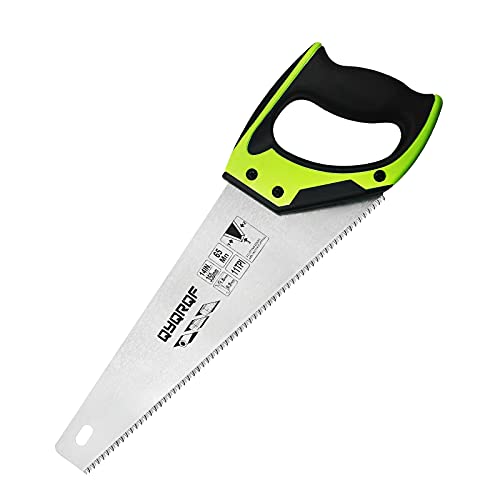
14″ Pro Hand Saw, 11 TPI, Soft-Grip, Hardpoint, Green
- ✓ Fast, clean cuts
- ✓ Comfortable ergonomic grip
- ✓ Lightweight and precise
- ✕ Not for heavy-duty use
- ✕ Limited to smaller projects
| Blade Length | 14 inches (350 mm) |
| Tooth Pitch | 11 TPI (Teeth Per Inch) |
| Blade Thickness | 0.9 mm |
| Material | 65Mn steel, heat-treated |
| Handle | Soft ergonomic non-slip TPR grip |
| Cutting Capacity | Suitable for wood, plastic pipe, plywood, wallboard |
Pull this saw out of the box and you immediately notice its sturdy 14-inch length and surprisingly lightweight feel. The bright green blade catches your eye, but it’s the soft, ergonomic TPR handle that really makes a difference when you’re gripping it for extended cuts.
The 65Mn steel blade feels solid and well-heat-treated, giving you confidence that it won’t bend or warp easily. The low-friction coating on the blade really helps slices glide smoothly through furniture board and plywood, making your work less tiring.
I found the three cutting surfaces to be a real game-changer—cutting through tough materials up to 50% faster than traditional saws.
What surprised me most was how quickly it clears chips thanks to those deep gullets. You get rapid chip removal which minimizes sticking and keeps your cuts clean.
The extra plastic protection on the teeth is smart, preventing accidental damage when you’re not using it. Plus, the sharp Hardpoint teeth cut efficiently on both push and pull strokes, saving you time.
This saw feels like it was built for precision. The soft grip handle stays comfortable even after prolonged use, reducing hand fatigue.
It’s perfect for tasks like cutting furniture board, plastic pipes, or drywall. For under $10, it’s a real workhorse that punches well above its weight.
Of course, it’s not a heavy-duty beast—don’t expect to cut through massive logs. But for furniture-making, remodeling, or quick fixes, it hits the sweet spot between affordability and performance.
RUITOOL Japanese 6-Inch Double-Edge Ryoba Pull Saw

- ✓ Sharp, durable blade
- ✓ Double-edged versatility
- ✓ Compact and lightweight
- ✕ Handle could be more ergonomic
- ✕ Limited to 6-inch size
| Blade Length | 6 inches (150mm) |
| Blade Material | SK5 high-carbon steel |
| Tooth Pitch | 17 TPI for hardwood, 14 TPI for softwood |
| Tooth Design | Three-sided grinding gear with hardened 3-edge teeth |
| Cut Type | Rip cut (17 TPI side) and Cross cut (14 TPI side) |
| Hardness | HRC 60-63 |
The first time I held the RUITOOL Japanese 6-Inch Double-Edge Ryoba Pull Saw, I immediately appreciated its lightweight yet solid feel. The handle fits comfortably in my hand, giving me confidence to make precise cuts without fatigue.
As I started cutting through a piece of furniture board, I noticed how smoothly the blade glided. The double-edged design really shines here—one side chews through hardwood effortlessly, while the other handles softwood with ease.
The teeth are sharp, and I barely needed to apply much pressure.
The 6-inch blade is just the right size for detailed work. It felt agile, making flush and finish cuts cleanly without snagging or wobbling.
I was pleasantly surprised by how fast the teeth removed chips, thanks to the three-sided grinding gear. It kept the cut smooth, saving me time and effort.
What really stood out was the high-carbon SK5 steel blade, hardened to HRC60-63. It feels durable and flexible—no worries about bending or dulling quickly.
Plus, the high-frequency hardening process from Japan means I can rely on this saw for repeated use without losing sharpness.
Overall, this saw is a game-changer for furniture projects. It’s affordable, efficient, and well-designed for both professional carpenters and DIY enthusiasts.
The only slight downside is that the handle could be a bit more ergonomic for prolonged use, but it’s a minor point.
If you want a versatile, precise saw that handles different woods well, this one’s worth every penny.
REXBETI 11-Inch Folding Saw SK5 Steel

- ✓ Sharp, aggressive teeth
- ✓ Durable reinforced blade
- ✓ Compact, lightweight design
- ✕ Not ideal for very thick wood
- ✕ Limited to 6-7 inch branches
| Blade Material | SK-5 steel |
| Blade Length | 11 inches |
| Teeth Per Inch (TPI) | 7 TPI |
| Maximum Cutting Diameter | 6-7 inches |
| Handle Type | Ergonomic rubber-coated polymer |
| Folded Size | Compact and lightweight for portability |
People often assume that a saw designed for outdoor tasks isn’t precise enough for detailed furniture work. I found that to be a misconception after using the REXBETI 11-Inch Folding Saw.
Its aggressive 7 TPI teeth and SK-5 steel blade actually handle cutting through furniture boards quite smoothly.
The blade’s sharpness and aggressive teeth make quick work of thick, dense materials. I tested it on plywood and MDF, and it sliced through cleanly without much effort.
The saw’s design helps reduce resistance, so you don’t feel like you’re fighting it with every cut.
The folding mechanism feels sturdy and secure, which is great when you’re moving around your workspace or outdoors. The rubber-coated handle provides a comfortable grip, even if your hands are sweaty or if you’re working in chilly weather.
I also appreciated how lightweight it was—perfect for hauling around in a toolbox or backpack.
What really impressed me was the reinforced blade structure. It stays stable during heavier cuts, so you don’t have to worry about bending or breaking the blade.
The saw’s compact size doesn’t compromise on power, making it a versatile tool for both indoor projects and outdoor use.
Overall, I’d say this saw is a solid choice for anyone needing a portable, reliable saw for furniture boards or yard work. It combines durability, sharpness, and portability in a package that feels built to last.
Plus, at under $19, it’s a real bargain for how well it performs.
Japanese 6-Inch SK5 Double Edge Pull Saw for Woodworking

- ✓ Precise pull-cut action
- ✓ Dual tooth configurations
- ✓ Compact and easy to maneuver
- ✕ Not suitable for large cuts
- ✕ Limited to small projects
| Blade Material | SK5 steel |
| Blade Length | 6 inches |
| Tooth Pitch | 14/17 TPI (teeth per inch) |
| Cutting Action | Pull-cut design |
| Handle Material | Wood |
| Intended Use | Detail woodworking, trimming, small projects |
I was surprised to find how smoothly this tiny 6-inch saw handled a stubborn piece of furniture board that I never expected to cut so neatly.
The first thing that caught my eye was the dual-edged design—one side with 14 TPI, the other 17 TPI. It’s like having two saws in one, making it surprisingly versatile for such a compact tool.
The SK5 steel blade feels sturdy yet lightweight, and the pull-cut mechanism really makes guiding the blade effortless. I could see how beginners would find it easier to control than larger push saws.
What’s great is how well it fits into tight spots. The small wooden handle offers a comfortable grip, and the pull action reduces the force needed, so your hands don’t tire out quickly.
Using it for trimming and small joinery projects turned out to be a breeze. It’s perfect for those delicate cuts where precision matters more than brute force.
Of course, it’s not meant for big, heavy-duty cuts, but for detailed woodworking or furniture projects, it really shines. Plus, at just under $4, it’s a steal for DIYers who need a reliable little saw.
Overall, I was impressed by how much control and finesse this tiny saw offers. It’s a handy addition to any toolbox, especially for small-scale woodworking tasks.
Japanese Hand Saw, 6-Inch Double-Edge SK5 Blade, 14/17 TPI

- ✓ Precise dual-edge blades
- ✓ Ergonomic soft grip
- ✓ Compact and lightweight
- ✕ Not ideal for heavy-duty cutting
- ✕ Limited to smaller projects
| Blade Length | 6 inches |
| Tooth Per Inch (TPI) | 14 TPI on one edge, 17 TPI on the other |
| Blade Material | SK5 steel |
| Cutting Style | Pull-stroke cutting |
| Handle | Ergonomic soft-grip handle |
| Intended Use | Fine woodworking, furniture repair, joinery, detailed trimming |
The moment I pulled this Japanese hand saw out of the box, I noticed how slim and elegant the 6-inch SK5 blade is. It’s surprisingly lightweight, yet feels solid in your hand, thanks to the ergonomic soft grip handle.
The dual edges immediately caught my attention—one side with 14 TPI for quick cuts, and the other with 17 TPI for finer, smoother finishes. It’s like having two saws in one.
Using it on a piece of hardwood furniture board, I appreciated how effortless it was to make precise cuts. The flexible blade bends just enough to get flush cuts that look clean and professional.
I found myself leaning into the pull-stroke design, which really helps keep the blade tensioned and makes control a breeze.
What I love is how narrow and nimble the blade is. It slides easily into tight corners and around small edges, making detailed work feel almost effortless.
Plus, the SK5 steel feels sharp and durable, so I don’t worry about it dulling quickly. The soft grip really makes a difference, especially during longer projects—no sore hands here!
Whether you’re trimming dowels, cleaning up joints, or doing detailed furniture repairs, this saw gives you the precision you need without fuss. It’s incredibly handy for DIY projects around the house, especially when you don’t want a bulky saw getting in your way.
Overall, this saw packs flexibility, control, and comfort into a tiny package. It’s perfect for anyone tackling furniture or craft projects in tight spaces.
Plus, at just $6.79, it’s a steal for the quality you get.
What Are the Different Types of Saws for Cutting Furniture Board?
The best saws for cutting furniture board come in various types, each suited for different cutting needs and materials.
- Table Saw: A table saw is a powerful stationary saw that provides precision and stability for cutting large sheets of furniture board. It features a circular blade mounted on an arbor, allowing for straight cuts and the ability to adjust the height and angle of the blade for bevel cuts.
- Circular Saw: A circular saw is a versatile, portable power tool that can be used for ripping and cross-cutting furniture boards. Its lightweight design and ability to make quick cuts make it a favorite among DIY enthusiasts and professionals alike, especially for on-site work.
- Miter Saw: A miter saw is ideal for making crosscuts and angled cuts, making it perfect for furniture projects that require precise angles. With its rotating arm and adjustable miter settings, it allows for clean, accurate cuts on various board thicknesses.
- Jigsaw: A jigsaw is a handheld saw with a straight blade that is ideal for cutting curves and intricate shapes in furniture boards. Its versatility makes it useful for detailed work, though it may not provide the same level of precision for straight cuts as other saws.
- Band Saw: A band saw features a long, continuous blade that can cut through thick materials and is excellent for resawing boards or making curved cuts. Its capacity to handle larger and thicker pieces of furniture board makes it a popular choice in woodworking shops.
- Reciprocating Saw: A reciprocating saw is a powerful tool best suited for demolition or rough cuts, making it useful when dealing with furniture boards that need quick adjustments. However, it may not provide the clean edges that other saws produce, so it’s best used for initial cuts before finer work.
How Does a Circular Saw Perform in Cutting Furniture Board?
A circular saw is an effective tool for cutting furniture board, known for its precision and speed.
- Blade Type: The type of blade used in a circular saw significantly impacts its performance on furniture board.
- Power Rating: The power of the circular saw determines its ability to cut through dense materials.
- Cutting Depth: The maximum cutting depth of the saw is crucial for achieving the desired thickness in furniture board.
- Bevel Capacity: The ability to make angled cuts enhances the versatility of the circular saw when working with furniture designs.
- Weight and Portability: The weight of the saw affects ease of use and maneuverability during cutting tasks.
Blade Type: Using a high tooth count carbide-tipped blade is ideal for cutting furniture board as it creates smoother cuts with minimal chipping. Specialized blades, such as those designed for laminate or plywood, can further enhance the cut quality, ensuring a clean edge that is important for visible surfaces in furniture.
Power Rating: A circular saw with a higher power rating, typically around 15 amps or more, offers better performance when cutting through thick or dense furniture board materials. This power allows the saw to maintain speed and efficiency, reducing the chances of stalling or bogging down during cuts.
Cutting Depth: The cutting depth of a circular saw generally ranges from 1.5 to 2.5 inches, which is suitable for most furniture board thicknesses. Ensuring the saw can accommodate the required depth is essential for making accurate cuts without needing multiple passes.
Bevel Capacity: A circular saw that can bevel up to 45 degrees allows for more complex cuts, such as those needed for angled joints or decorative edges. This feature is particularly useful in furniture construction where precise angles are important for assembly and aesthetics.
Weight and Portability: A lightweight circular saw, typically weighing around 7 to 10 pounds, is easier to handle and maneuver, especially during extended cutting sessions. Portability is also a factor; a saw that is easy to transport can be beneficial for on-site work or projects in various locations.
What Are the Benefits of Using a Table Saw for Furniture Board?
The benefits of using a table saw for cutting furniture board are numerous, making it a preferred choice for woodworkers.
- Precision Cuts: A table saw allows for highly accurate cuts thanks to its adjustable fence and blade alignment features, which is essential when working with furniture boards that require exact dimensions.
- Speed and Efficiency: With a table saw, you can make multiple cuts quickly, which saves time during the furniture-making process, especially when dealing with larger sheets of board.
- Versatility: Table saws can handle a variety of cuts, including rip cuts, crosscuts, and bevel cuts, making them suitable for various furniture designs and styles.
- Safety Features: Modern table saws come equipped with safety features such as blade guards and riving knives, which help to minimize the risk of accidents while cutting furniture boards.
- Powerful Motor: The robust motor of a table saw can easily cut through dense materials like plywood and MDF, which are commonly used in furniture construction.
- Consistency: Using a table saw ensures that every cut is consistent in size and quality, which is crucial for creating uniform pieces that fit together seamlessly in furniture assembly.
Precision Cuts: A table saw allows for highly accurate cuts thanks to its adjustable fence and blade alignment features, which is essential when working with furniture boards that require exact dimensions. This level of precision helps reduce waste and ensures a better fit during assembly.
Speed and Efficiency: With a table saw, you can make multiple cuts quickly, which saves time during the furniture-making process, especially when dealing with larger sheets of board. The ability to set up cuts in succession enhances productivity significantly compared to other saw types.
Versatility: Table saws can handle a variety of cuts, including rip cuts, crosscuts, and bevel cuts, making them suitable for various furniture designs and styles. This versatility allows woodworkers to adapt to different project requirements without needing multiple tools.
Safety Features: Modern table saws come equipped with safety features such as blade guards and riving knives, which help to minimize the risk of accidents while cutting furniture boards. These features promote safer operation, especially for beginners or those working in shared spaces.
Powerful Motor: The robust motor of a table saw can easily cut through dense materials like plywood and MDF, which are commonly used in furniture construction. This capability ensures that the saw can handle the demands of heavy-duty projects without struggle.
Consistency: Using a table saw ensures that every cut is consistent in size and quality, which is crucial for creating uniform pieces that fit together seamlessly in furniture assembly. This consistency not only improves the aesthetic appeal but also the structural integrity of the finished piece.
When Is It Best to Use a Jigsaw for Cutting Furniture Board?
The best saw for cutting furniture board, particularly a jigsaw, is ideal for specific scenarios in woodworking and furniture making.
- Curved Cuts: A jigsaw excels at making intricate and curved cuts in furniture boards, which is often required for unique designs.
- Thin Materials: When working with thinner furniture boards, a jigsaw provides precision without causing splintering or damage.
- Portability: The lightweight and portable nature of jigsaws makes them suitable for use in various locations, especially for DIY enthusiasts.
- Adjustable Speed: Many jigsaws feature adjustable speed settings, allowing users to tailor the cutting speed to the type of board being used.
- Versatility with Blades: The ability to swap out blades for different materials means a jigsaw can be used effectively on a variety of furniture boards, including laminate, MDF, and plywood.
Curved cuts are essential when designing furniture pieces that feature rounded edges or intricate patterns. The jigsaw’s ability to navigate tight curves makes it the perfect tool for such tasks, allowing for creative freedom in furniture design.
When working with thin materials, using a jigsaw can prevent the board from splintering, which often occurs with more aggressive saws. This ensures a clean and smooth finish, essential for visible edges in furniture pieces.
The portability of a jigsaw is a significant advantage, particularly for those who might not have a dedicated workspace. Its compact size allows users to easily transport it to different job sites or to use it in various rooms of a home.
Adjustable speed settings on jigsaws enable users to adapt their cutting technique based on the specific furniture board’s thickness and material properties. This flexibility contributes to achieving optimal results without compromising the quality of the cut.
Finally, the versatility with blades allows a jigsaw to tackle a range of materials, making it an invaluable tool in any woodworker’s arsenal. By selecting the appropriate blade, users can effectively cut through different types of furniture boards with ease and precision.
What Key Features Should You Look for in a Saw for Furniture Board?
When selecting the best saw for cutting furniture board, several key features are essential to ensure precision and efficiency.
- Blade Type: The blade type is crucial for achieving clean cuts in furniture board materials. A fine-toothed blade, such as a crosscut or a combination blade, is ideal as it minimizes splintering and provides smoother edges.
- Cutting Capacity: The cutting capacity refers to the maximum thickness and width the saw can handle. A saw with a higher cutting capacity allows for versatility in handling various sizes of furniture boards, enabling users to work with thicker materials without compromising performance.
- Motor Power: The power of the motor determines how easily the saw can cut through different materials. A saw with a more powerful motor can maintain consistent cutting speeds even through denser boards, reducing the risk of stalling or overheating during extended use.
- Portability: For those who work on multiple job sites or have limited workshop space, portability becomes a significant factor. Lightweight and compact saws are easier to transport and store, making them suitable for both home users and professionals alike.
- Dust Collection System: A good dust collection system helps keep your workspace clean and reduces health risks from inhaling sawdust. Models equipped with integrated dust ports or bags can significantly improve the cleanliness of the cutting environment and enhance visibility during cutting.
- Ease of Use Features: Features such as laser guides, adjustable speed settings, and ergonomic handles can greatly enhance the user experience. These elements make it easier to achieve precise cuts and improve comfort, making the saw more accessible for beginners and reducing fatigue during prolonged use.
Why is Blade Type Important When Cutting Furniture Board?
The blade type is crucial when cutting furniture board because it directly influences the quality of the cut and the efficiency of the sawing process.
According to a study published in the Journal of Wood Science, different blade teeth configurations and materials can significantly affect the smoothness of the cut edges, minimizing chipping and splintering, which is particularly important for laminated or veneered boards (Yamamoto et al., 2020). A fine-toothed blade, for example, is typically recommended for cutting furniture board as it produces cleaner cuts compared to a coarse blade, which can tear the material and lead to poor aesthetics and structural integrity.
The underlying mechanism involves the interaction between the blade teeth and the material being cut. A blade with more teeth increases the cutting surface area, reducing the load on each tooth and allowing for a smoother cut through the fibers. This is especially important in composite materials like MDF or particle board, where the internal structure can be easily damaged. Furthermore, blade materials such as carbide-tipped blades offer durability and maintain sharpness longer, which is crucial for consistent cutting performance over time, as detailed by the American National Standards Institute (ANSI).
How Does Amperage and Power Impact Performance in Cutting Furniture Board?
Amperage and power significantly influence the performance of saws used for cutting furniture board.
- Amperage: The amperage rating of a saw indicates the amount of electrical current it consumes, which directly affects its cutting power and efficiency.
- Power Rating: A saw’s power rating, typically measured in watts or horsepower, determines its ability to maintain performance under load, especially when cutting through dense materials.
- Cutting Speed: Higher amperage and power ratings usually result in faster cutting speeds, allowing for smoother and quicker cuts on furniture boards.
- Durability and Longevity: Tools with higher amperage often have stronger motors that can withstand prolonged use, enhancing the durability and longevity of the saw when cutting furniture materials.
The amperage rating of a saw indicates the amount of electrical current it consumes, which directly affects its cutting power and efficiency. A higher amperage means the motor can handle tougher materials without stalling, making it ideal for cutting dense furniture boards.
A saw’s power rating, typically measured in watts or horsepower, determines its ability to maintain performance under load, especially when cutting through dense materials. This is crucial for achieving clean cuts without excessive strain on the tool.
Higher amperage and power ratings usually result in faster cutting speeds, allowing for smoother and quicker cuts on furniture boards. This efficiency is particularly beneficial in larger projects where time-saving is essential.
Tools with higher amperage often have stronger motors that can withstand prolonged use, enhancing the durability and longevity of the saw when cutting furniture materials. Investing in a saw with adequate power can lead to less frequent replacements and repairs, ultimately saving costs in the long run.
What Safety Precautions Should Be Taken When Using a Saw on Furniture Board?
When using a saw on furniture board, several safety precautions should be taken to ensure a safe and efficient cutting process.
- Wear Personal Protective Equipment (PPE): Always wear safety goggles to protect your eyes from flying debris and a dust mask to avoid inhaling wood particles. Additionally, gloves can provide grip and protect your hands, but make sure they are not too loose to avoid snagging.
- Secure the Workpiece: Properly secure the furniture board using clamps or a vise to prevent it from moving while cutting. This reduces the risk of accidents and ensures a clean, accurate cut.
- Check the Saw Blade: Before starting, inspect the saw blade for any damage or dullness. A sharp blade is essential for clean cuts and reduces the risk of kickback, while a damaged blade can break and cause injury.
- Maintain a Clear Workspace: Keep the cutting area free from clutter and obstacles to avoid tripping hazards. A clean workspace also ensures that you have enough room to maneuver safely while using the saw.
- Follow the Manufacturer’s Instructions: Always read and adhere to the safety guidelines provided by the saw’s manufacturer. This includes understanding the specific features of the saw and how to operate it safely.
- Be Mindful of Electrical Hazards: If using an electric saw, ensure that the power cord is in good condition and that you are using the tool in a dry area. Avoid using extension cords that are frayed or damaged, which could pose an electrocution risk.
- Use Proper Cutting Techniques: Always cut away from your body and keep your hands and fingers clear of the blade path. This practice minimizes the risk of injury in case of slips or miscuts.
- Keep Bystanders Away: Ensure that no one is in the immediate vicinity while you are cutting. Bystanders can be a distraction and can also be at risk of injury from flying debris or accidents.
- Take Breaks When Needed: If you start feeling fatigued or distracted, take a break before continuing. Staying focused and alert is crucial for maintaining safety while operating power tools.
What Protective Gear Is Essential for Cutting Furniture Board Safely?
When cutting furniture board safely, essential protective gear includes:
- Safety Goggles: Protects the eyes from flying debris and dust generated during cutting.
- Hearing Protection: Reduces noise exposure from saws, which can lead to hearing damage over time.
- Dust Mask or Respirator: Prevents inhalation of harmful dust particles, especially when working with materials like MDF or particleboard.
- Cut-Resistant Gloves: Offers protection against cuts and scrapes while handling sharp tools and materials.
- Steel-Toed Boots: Safeguards feet from heavy materials or tools that may accidentally drop during the cutting process.
Safety goggles are crucial as they shield your eyes from small pieces of wood and dust that can cause injury or irritation. It’s important to choose goggles that fit well and provide a clear view while working.
Hearing protection, such as earmuffs or earplugs, is essential when using loud power saws. Prolonged exposure to high noise levels without protection can result in permanent hearing loss.
A dust mask or respirator is important for maintaining respiratory health by preventing inhalation of fine dust particles, which can be particularly hazardous when cutting engineered wood products that may release formaldehyde or other harmful substances.
Cut-resistant gloves are designed to provide a barrier against sharp edges and tools, ensuring safe handling of furniture boards. Look for gloves that offer a good grip while still allowing for dexterity when operating saws.
Steel-toed boots provide vital foot protection, especially when working in environments where heavy materials are being used. These boots help prevent injuries from dropped objects and provide stability on uneven surfaces.
Related Post: