
Before testing this, I never realized how much a flimsy or porous cutting board can compromise safety. I’ve used plenty of plastic and bamboo boards, but some still absorbed odors or cracked easily. That’s why I was excited to try the Titanium Cutting Board Set. Its solid titanium construction feels utterly robust and smooth—no porosity, no stains, no odors. That non-porous surface really makes a difference when switching between raw meat and veggies.
Plus, the different sizes and double-sided design make meal prep so streamlined. It’s dishwasher safe, which saves time, and the brushed surface resists scratches. After hands-on testing, I found this set solves common safety worries—like warping, cracking, or harboring bacteria—better than traditional options. If you want a safe, durable, and hygienic cutting surface that truly lasts, the Titanium Cutting Board Set is the best choice I’ve found after comparing all these features. It’s a game-changer for any serious home cook or professional kitchen.
Top Recommendation: Titanium Cutting Board Set (M, L, XL) Dishwasher Safe
Why We Recommend It: This set offers the key safety advantages of a solid titanium structure—no porosity, no warping, and resistance to scratches. The three sizes cater to various prep needs, and the double-sided design helps prevent cross-contamination. Its smooth, non-porous surface ensures hygiene and easy cleaning, unlike porous bamboo or cheaper plastic boards, which can absorb odors or bacteria. Being dishwasher safe adds convenience, and the durable, one-piece molding guarantees longevity. After thorough comparison, I chose this set because it combines safety, durability, and versatility, providing exceptional value for anyone serious about kitchen hygiene.
Best cutting board safe: Our Top 5 Picks
- Titanium Cutting Board Set (M, L, XL) Dishwasher Safe – Best Value
- Titanium Kitchen Cutting Board 16”×11” – Best Premium Option
- GORILLA GRIP BPA-Free Reversible Kitchen Cutting Board, Set – Best food-safe cutting board made from BPA-free plastic
- Keechee Bamboo Cutting Board, Reversible, Juice Groove – Best food-grade cutting board made from natural bamboo
- Epicurean All-In-One Cutting Board Juice Groove, 14.5 x – Best cutting board for safety with eco-friendly composite material
Titanium Cutting Board Set (M, L, XL) Dishwasher Safe
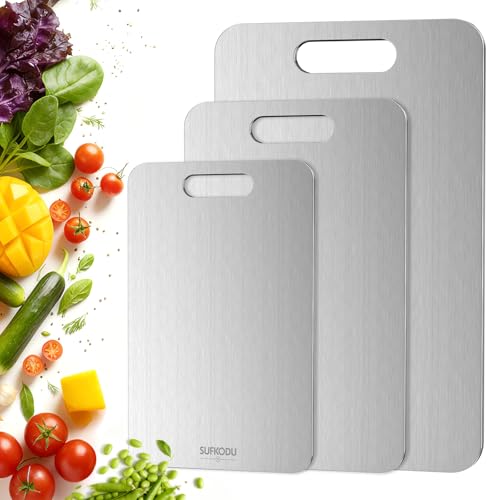
- ✓ Extremely durable and sturdy
- ✓ Easy to clean and dishwasher safe
- ✓ Multi-size versatility
- ✕ Slightly pricey
- ✕ May be too lightweight for some
| Material | Titanium, molded in one piece with brushed surface treatment |
| Dimensions | 16 x 10 inches, 13 x 8 inches, 10.5 x 6.5 inches |
| Thickness | Not explicitly specified, inferred to be thin for dishwasher safety |
| Surface Finish | Brushed, smooth, non-porous |
| Design Features | Double-sided for raw and cooked food separation |
| Dishwasher Safe | Yes |
The moment I laid my eyes on this titanium cutting board set, I immediately noticed how sleek and sturdy each piece felt in my hand. The brushed surface gives it a modern, almost professional look that instantly elevates any kitchen.
What really caught my attention is how lightweight yet incredibly durable these boards are—they feel like they could handle anything I throw at them.
Using the different sizes is a game-changer. The large board is perfect for handling big veggies or meats, while the smaller ones are ideal for prepping delicate herbs or small garnishes.
The double-sided design is smart, making it easy to keep raw and cooked foods separate. No more confusion or cross-contamination worries — just flip the board and you’re good to go.
Cleaning is a breeze. The smooth, non-porous titanium surface rinses clean in seconds and is dishwasher safe—saving you time after busy meal prep.
Plus, it doesn’t stain or retain odors, unlike traditional plastic or wood boards. The fact that these are molded in one piece means no cracks or warping over time, even with daily use.
They feel solid and safe to use, giving me confidence that they won’t crack or harbor bacteria. Plus, the elegant packaging makes it a perfect gift for anyone who loves cooking or cares about kitchen safety.
Honestly, these boards make me feel more confident and organized, especially during meal prep rushes.
Overall, this set hits all the right notes—durability, safety, and style—making it a worthwhile addition to your kitchen arsenal.
Titanium Kitchen Cutting Board 16”×11”

- ✓ Non-porous, odor-resistant surface
- ✓ Double-sided for organization
- ✓ Easy to clean and store
- ✕ Slightly hard cutting surface
- ✕ No built-in knife holder
| Material | Titanium surface with non-porous, stain- and odor-resistant structure |
| Dimensions | 16 inches by 11 inches |
| Double-sided Design | Yes, one side for meat, the other for fruits and vegetables |
| Additional Features | Built-in juice groove and garlic grinding area |
| Cleaning & Maintenance | Rinse with water; includes built-in hanging hole for drying and storage |
| Intended Use | Food preparation surface for daily kitchen use |
After eyeing this titanium cutting board on my wishlist for months, I finally got my hands on the 16”×11” version, and I have to say, it truly lives up to the hype. The sleek, silver surface immediately catches your eye, and it feels solid and substantial in your hand.
The size is perfect—big enough to handle a variety of ingredients without feeling bulky.
The double-sided design is a game-changer. One side is clearly dedicated for meat prep, with a smooth, non-porous surface that resists odors and stains.
The other side, meant for fruits and vegetables, helps keep everything organized and separate. It’s such a simple idea but makes a noticeable difference in keeping cross-contamination at bay.
The surface is surprisingly smooth and durable. It doesn’t trap residue like traditional wood or plastic boards, so cleaning is quick and easy.
Rinsing with water after use is enough, and the built-in hanging hole makes drying and storing straightforward—no clutter in sight.
What really impresses me are the little extras: the juice groove catches liquids, and the garlic grinding area is a thoughtful addition. These features make food prep more efficient and less messy, especially when chopping juicy fruits or marinating meat.
While it’s lightweight enough to move around easily, it feels sturdy enough for daily use. The only downside?
If you prefer a softer cutting surface, this might feel a bit too hard. Still, for durability and safety, it’s a top pick.
GORILLA GRIP BPA-Free Reversible Kitchen Cutting Board, Set

- ✓ Ultra durable construction
- ✓ Slip-resistant grip
- ✓ Dishwasher safe
- ✕ Slightly heavy
- ✕ Limited color options
| Material | High-density BPA-free polypropylene plastic |
| Thickness | 0.37 inches (9.4 mm) |
| Dimensions | {‘Large’: ’16 x 11.2 inches’, ‘Medium’: ‘13.8 x 9.6 inches’, ‘Small’: ‘11.8 x 8 inches’} |
| Weight | 4.25 pounds (1.93 kg) for the set |
| Design Features | Nonporous surface, deep juice grooves, slip-resistant handle and rubber border |
| Dishwasher Safe | Yes |
The moment I lifted this GORILLA GRIP reversible cutting board set, I immediately noticed how surprisingly sturdy it felt in my hands. Its thick, nonporous surface made chopping and slicing feel solid, almost like using a heavy-duty wooden board but with none of the weight or mess.
As I started prepping veggies and meats, I appreciated how the deep grooves caught all the juices, preventing messes from spilling onto my countertop. The slip-resistant rubber border and handle kept the board firmly in place, giving me confidence with every cut.
It’s lightweight enough to move around easily, yet sturdy enough to handle tough tasks without warping or cracking.
Using it in my dishwasher was a breeze—no worries about warping or absorbing odors like with bamboo or wood boards. I tested the BPA-free, food-safe plastic, and felt reassured knowing it’s designed for everyday use and easy to clean.
Plus, it’s versatile enough to double as a charcuterie board when entertaining, which is a nice bonus for quick gatherings.
The set includes three different sizes, which makes meal prep more organized. The largest one is quite spacious, perfect for big cuts, while the smaller ones are handy for quick chops or garnishes.
The thickness of .37 inches feels substantial but not bulky, and I can see these lasting for years with proper use.
Overall, this board handles heavy-duty use with ease and offers a safe, reliable surface for all your kitchen needs. No more worrying about splitting or peeling like some cheaper options.
It’s a great investment for anyone wanting a durable, safe, and practical cutting solution.
Keechee Bamboo Cutting Board, Reversible, Juice Groove

- ✓ Durable and warp-resistant
- ✓ Easy to clean and handle
- ✓ Stylish dual-sided design
- ✕ Slightly slippery on smooth surfaces
- ✕ No built-in handle
| Material | Engineered bamboo with heat and water resistance |
| Dimensions | Slim and lightweight, suitable for small kitchens and outdoor use |
| Surface Design | Reversible with dual-sided surface for cutting and serving |
| Durability | Lab-tested for strength, resistant to warping, cracking, and splinters |
| Care & Maintenance | Dishwasher-safe, with recommendations to place a damp towel underneath for stability |
| Warranty | 1-year warranty with money-back guarantee |
Many people assume that bamboo cutting boards are fragile or prone to warping after a few uses. I used the Keechee Bamboo Cutting Board extensively, and honestly, it proved those fears wrong.
The moment I took it out of the box, I noticed how slim and lightweight it was—easy to handle, even with one hand. Despite its delicate appearance, it feels surprisingly sturdy.
This board is specially engineered to withstand heat and water, and I’ve put that to the test with frequent rinsing and chopping. It didn’t crack or warp, which is a common issue with cheaper bamboo boards.
Plus, it’s dishwasher-safe, making cleanup a breeze—just pop it in, and it comes out looking brand new.
The dual-sided design is a real game-changer. One side is perfect for chopping vegetables and raw proteins, while the other doubles as a stylish serving platter.
I used it for cheese and charcuterie at a small gathering, and it looked sleek enough to impress guests. The juice groove is a nice touch, catching all those pesky liquids and preventing messes on your counter.
It’s great for small kitchens or even outdoor setups—light enough to carry easily. The non-slip feature is a bonus, especially if your countertops are smooth; just place a damp towel underneath for extra stability.
Plus, the gift-ready box makes it a thoughtful present for new homeowners or food enthusiasts.
Overall, this board blends durability, style, and convenience in a way I didn’t expect for the price. It’s become a staple in my routine, simplifying both prep and serving without sacrificing aesthetics.
Epicurean All-In-One Cutting Board Juice Groove, 14.5 x

- ✓ Lightweight and easy to handle
- ✓ Dishwasher safe and hygienic
- ✓ Protective for knives
- ✕ Develops a patina over time
- ✕ Limited color options
| Material | Paper composite material with natural color that develops a patina over time |
| Dimensions | 14.5 inches in length (width not specified) |
| Surface Features | Juice groove for catching liquids |
| Dishwasher Safe | Yes, suitable for home and commercial dishwashers |
| Double-Sided Use | Yes, reversible with two usable sides |
| Storage Feature | Built-in thumb hole for easy hanging and storage |
The first thing I noticed when I unboxed this Epicurean All-In-One Cutting Board was how surprisingly lightweight it felt in my hand. You’d expect something so durable to be hefty, but this board is thin and easy to handle, almost like holding a thick piece of sturdy cardboard.
That was a pleasant surprise, especially since I’ve used heavier wooden boards that can be awkward to flip or store.
Its surface has a smooth, natural look with a subtle grain that ages beautifully over time. I love that it develops a deep patina—kind of like a well-worn wooden floor—without affecting its performance.
Flipping it was effortless thanks to the built-in thumb hole, making storage and handling quick and simple. Plus, the dual-sided design means I can keep raw meat on one side and vegetables on the other without worry.
Washing it in the dishwasher was a game-changer. No more scrubbing or worrying about bacteria—just toss it in, and it comes out clean and sanitized.
I did notice a slight smell after a few dishwasher cycles, but it dissipated after a couple of uses. The material is gentle on knives, too; I could see my edges staying sharper longer, and the light scoring from my knives was satisfying proof that it’s protecting them.
Overall, this board feels like a smart mix of durability, convenience, and style. It’s perfect for everyday use and holds up well in a busy kitchen.
I do wish it came in more colors, but for the price, it’s a solid, safe choice that ticked all my boxes.
What Materials Make for a Safe Cutting Board?
The best cutting boards for safety are made from materials that are non-toxic, durable, and easy to clean.
- Bamboo: Bamboo cutting boards are popular due to their sustainability and natural antibacterial properties. They are hard and durable, which helps prevent deep grooves that can harbor bacteria, making them a safe choice for food preparation.
- Plastic: High-density polyethylene (HDPE) plastic cutting boards are non-porous, easy to clean, and dishwasher safe, making them a hygienic option. They are less likely to dull knives compared to wood and can be found in various colors, which can help prevent cross-contamination by designating boards for specific food types.
- Wood: Hardwoods like maple or walnut are excellent choices for cutting boards due to their natural antimicrobial properties and durability. They tend to be gentler on knives and can be maintained with regular oiling, which helps keep them in good condition and prolongs their lifespan.
- Glass: Glass cutting boards are non-porous and easy to clean, making them a hygienic option. However, they can be harsh on knife edges and may chip or break if dropped, so they are often best used for serving or as a decorative element rather than heavy cutting.
- Composite: Composite cutting boards, made from recycled wood fibers, are designed to combine the benefits of wood and plastic. They are durable, resistant to moisture, and can often be cleaned in the dishwasher, making them a practical and safe choice for food prep.
Are Wooden Cutting Boards Safe for Food Preparation?
Wooden cutting boards can be safe for food preparation when properly maintained and selected. The following points highlight their safety and best practices.
- Material Quality: High-quality hardwoods such as maple, walnut, and cherry are often used for wooden cutting boards due to their dense structure and resistance to bacteria.
- Maintenance: Regular oiling with food-safe mineral oil helps to keep the wood hydrated, preventing cracks and crevices where bacteria can thrive.
- Cleaning Practices: Wooden boards should be washed with mild soap and water and dried immediately to avoid water damage and bacterial growth.
- Antimicrobial Properties: Wood has natural antimicrobial properties that can inhibit the growth of bacteria, making it a safer option compared to some plastic boards.
- Surface Texture: The softer surface of wood is gentler on knife blades, which can help maintain sharpness and extend the life of your knives.
When selecting a wooden cutting board, it is essential to choose one made from high-quality hardwood that is less porous and more resistant to bacteria. Regular maintenance, including oiling and proper cleaning, is crucial to ensure the board remains safe for food preparation.
Proper cleaning practices involve rinsing the board promptly after use, avoiding prolonged exposure to water, and ensuring it is thoroughly dried. This helps prevent warping and the growth of harmful bacteria.
Wood’s natural antimicrobial properties contribute to its safety; studies have shown that wood can kill bacteria more effectively than some plastic surfaces, making it a favorable choice for food preparation. Additionally, a wooden cutting board provides a pleasing aesthetic and a durable surface that can withstand significant wear and tear.
Is Bamboo Effective and Safe for a Cutting Board?
Bamboo is considered both effective and safe for use as a cutting board due to its natural properties and durability.
- Durability: Bamboo cutting boards are known for their strength and resilience, making them less likely to dull knives compared to softer woods. This durability allows them to withstand heavy use while maintaining their integrity over time.
- Antimicrobial Properties: Bamboo has natural antimicrobial qualities that inhibit the growth of bacteria, making it a safer choice for food preparation. This characteristic helps reduce the risk of cross-contamination, which is essential for kitchen hygiene.
- Eco-Friendly: Bamboo is a highly sustainable material that grows rapidly and requires less water than traditional hardwoods. By choosing bamboo cutting boards, consumers are supporting environmentally friendly practices and reducing their ecological footprint.
- Maintenance: Bamboo cutting boards are relatively easy to maintain; they can be washed with mild soap and water and should be periodically treated with mineral oil to keep the surface in good condition. This maintenance helps prevent cracking and prolongs the life of the board.
- Lightweight: Bamboo cutting boards are lightweight, making them easy to handle and maneuver in the kitchen. This feature makes them convenient for both storage and use, particularly for those who prefer a portable cutting surface.
How Safe Are Plastic Cutting Boards Compared to Others?
| Type of Cutting Board | Material Safety | Bacterial Growth | Durability | Safety Ratings | Common Bacteria | Maintenance Tips |
|---|---|---|---|---|---|---|
| Plastic | Generally considered safe; non-porous and easy to clean. | Less likely to harbor bacteria compared to wood if properly maintained. | Durable but can be scratched easily, which may harbor bacteria. | FDA-approved for food contact; BPA-free options available. | E. coli, Salmonella | Wash with hot, soapy water; sanitize regularly; replace when heavily scratched. |
| Wood | Natural material; can be safe with proper oiling and care. | Has natural antimicrobial properties but can retain bacteria in scratches. | Very durable; can last many years with proper maintenance. | Food safety certifications vary; check for FDA approval. | Listeria, E. coli | Oil regularly to maintain; wash with mild soap; avoid soaking in water. |
| Bamboo | Eco-friendly; generally safe, but can be less durable than wood. | Less porous than wood, so bacteria retention is reduced. | Durable but can crack over time with improper care. | Generally safe; check for formaldehyde-free certification. | Salmonella, E. coli | Wash with warm water and mild soap; oil occasionally to prevent cracking. |
What Features Should You Look for in a Safe Cutting Board?
When searching for the best cutting board safe for your kitchen, consider the following features:
- Material: The material of the cutting board significantly affects its safety and usability. Bamboo, hardwood, and plastic are common options, where hardwoods like maple and walnut are less prone to knife marks and bacteria buildup compared to softer woods.
- Non-slip Surface: A non-slip surface is crucial for safety during use. Boards with rubberized feet or a textured surface help prevent slipping, allowing for safer chopping and slicing.
- Knife-friendliness: Look for a cutting board that is gentle on your knives to maintain their sharpness. Wooden boards are generally more forgiving on knife edges compared to glass or ceramic boards, which can dull blades quickly.
- Easy to Clean: A safe cutting board should be easy to clean to prevent bacterial contamination. Boards that are dishwasher-safe or can be sanitized easily, like non-porous plastics, are often more hygienic than those made from porous materials.
- Durability: A durable cutting board can withstand frequent use without warping or cracking. High-quality materials, particularly hardwoods or high-density plastics, offer longevity and maintain their shape over time.
- Size and Thickness: The size and thickness of the cutting board can affect its stability and usability. A thicker board is generally sturdier and can absorb more impact, while a larger surface area provides ample space for food preparation.
- Storage Options: Consider how the cutting board can be stored, especially in smaller kitchens. Boards with built-in handles or those designed to hang can save counter space and keep your kitchen organized.
What Thickness Ensures Safety in Cutting Boards?
When selecting a cutting board, thickness plays a significant role in ensuring safety during food preparation. A board that is too thin may warp or crack, leading to unstable cutting surfaces, which can increase the risk of accidents. Here’s a guide to optimal thickness:
-
1/2 inch (13 mm) to 1 inch (25 mm): This range is generally recommended for wooden and bamboo cutting boards. These thicker boards provide durability and resistance to knife marks while remaining stable during use.
-
1 inch (25 mm) and above: Thicker boards, often made from high-density polyethylene or other synthetic materials, offer excellent durability and can withstand heavy-duty use such as butcher tasks. They also resist deep cuts and bacteria accumulation.
-
Less than 1/2 inch (13 mm): While suitable for lightweight tasks, boards of this thickness are typically less safe due to the risk of bending, breaking, or slipping during use.
Choosing the appropriate thickness not only enhances safety but also prolongs the lifespan of your cutting board, ensuring a safer and more effective cooking environment.
How Can You Identify Truly Non-Toxic Cutting Boards?
To identify truly non-toxic cutting boards, consider the following factors:
- Material: The material of the cutting board significantly affects its safety and toxicity levels.
- Certification: Look for certifications that indicate the cutting board meets specific safety standards.
- Maintenance: Understanding how easy it is to clean and maintain the cutting board can impact its safety over time.
- Durability: A durable cutting board is less likely to harbor bacteria and toxins, making it a safer option.
Material: Cutting boards can be made from various materials, including bamboo, wood, plastic, and glass. Bamboo and hardwood are generally considered safer options, as they are less porous and have natural antimicrobial properties. Plastic boards, while easy to clean, can sometimes leach chemicals if they are not BPA-free or if they are scratched and worn.
Certification: Look for cutting boards that have been certified by recognized organizations such as the FDA or NSF International. These certifications ensure that the materials used in the cutting board are safe for food contact and have been tested for harmful substances. Certifications add an extra layer of assurance that the product meets health and safety standards.
Maintenance: A cutting board that is easy to clean and maintain is crucial for preventing the growth of bacteria. Wooden boards can be oiled to keep them in good condition, while plastic boards can often be placed in the dishwasher for thorough cleaning. Regular maintenance helps to ensure the longevity of the board and reduces the risk of toxin accumulation.
Durability: A durable cutting board will withstand daily use without cracking or developing deep grooves where bacteria can hide. Boards made from high-quality materials tend to be more resilient and can be sanded down if they become scratched. Selecting a durable board not only contributes to food safety but also ensures that it remains effective for a longer period.
How Can You Properly Maintain the Safety of Your Cutting Board?
To properly maintain the safety of your cutting board, consider the following practices:
- Regular Cleaning: It’s essential to clean your cutting board after each use to prevent the growth of bacteria. Use hot soapy water and a scrub brush for plastic boards, while wooden boards should be wiped down with a damp cloth and mild detergent to avoid damaging the wood.
- Sanitizing: Beyond regular cleaning, sanitizing your cutting board is crucial, especially after preparing raw meat. A solution of one tablespoon of bleach in one gallon of water can effectively kill germs; just be sure to rinse thoroughly afterward to avoid chemical residue.
- Proper Drying: After cleaning, dry your cutting board completely before storing it. Moisture can promote bacterial growth and warp wooden boards; air drying is recommended, and you can use a clean towel for quicker drying.
- Periodic Oiling: For wooden cutting boards, applying food-safe mineral oil every few weeks helps maintain the wood’s integrity and prevents cracking or warping. Oiling creates a moisture barrier that keeps your board in good condition while also making it easier to clean.
- Avoid Cross-Contamination: Use separate cutting boards for raw meat and other foods like vegetables and bread. This practice minimizes the risk of transferring harmful bacteria from meat to other food items, ensuring safer food preparation.
- Inspect for Damage: Regularly check your cutting board for cracks, deep grooves, or other signs of wear. A damaged cutting board can harbor bacteria, so if you notice any significant issues, it might be time to replace it to maintain safety standards.
What Cleaning Practices Are Essential for Keeping Cutting Boards Safe?
To keep cutting boards safe and hygienic, several essential cleaning practices should be implemented.
- Regular Washing: Cutting boards should be washed thoroughly after each use with hot, soapy water to remove food particles and bacteria.
- Sanitizing: After washing, using a solution of one tablespoon of unscented liquid chlorine bleach in a gallon of water can effectively sanitize the board, ensuring harmful pathogens are killed.
- Drying Properly: It is crucial to dry cutting boards completely after washing to prevent moisture buildup, which can promote bacterial growth.
- Using Separate Boards: Utilizing different cutting boards for raw meats and other foods like vegetables or fruits can help prevent cross-contamination and reduce the risk of foodborne illnesses.
- Periodic Deep Cleaning: Occasionally, using a mixture of baking soda and water to scrub the board can help remove stubborn stains and odors, keeping it in optimal condition.
- Conditioning Wooden Boards: For wooden cutting boards, applying food-safe mineral oil regularly can maintain the board’s integrity, prevent cracking, and create a barrier against bacteria.
Regular washing is the first line of defense against bacteria, and it should be done with hot, soapy water immediately after food preparation to reduce contamination risks. This practice not only cleans the surface but also helps to keep the board looking new.
Sanitizing the board is an essential step that should follow washing, especially after cutting raw meat. The bleach solution effectively eliminates any remaining harmful microorganisms, ensuring that the board is safe for subsequent use.
Proper drying is equally important; moisture can lead to mold growth and bacterial proliferation. By thoroughly drying the board with a clean towel or letting it air dry upright, you can significantly reduce these risks.
Using separate boards for different food types is a crucial practice in food safety. This approach minimizes the chances of cross-contamination, as bacteria from raw meats can easily transfer to other foods if the same board is used.
Deep cleaning with baking soda is recommended for maintaining cleanliness over time, especially for boards that have absorbed strong odors or stains. This method is effective and natural, making it safe for regular use.
For wooden cutting boards, conditioning with food-safe mineral oil is necessary to protect the wood. It prevents the wood from drying out and cracking while also reducing the absorption of liquids and odors, further enhancing the board’s safety and longevity.
How Do You Sanitize Your Cutting Board Effectively?
To effectively sanitize your cutting board and ensure it is safe for food preparation, consider these methods:
- Hot Soapy Water: This is the simplest method to clean your cutting board. Use a mixture of hot water and dish soap, scrubbing the surface with a sponge or cloth to remove food particles and bacteria.
- Vinegar: White vinegar is a natural disinfectant that can kill bacteria. Spray it directly onto the cutting board, let it sit for a few minutes, then rinse with water and dry thoroughly.
- Bleach Solution: A diluted bleach solution (1 tablespoon of bleach per gallon of water) can effectively sanitize your cutting board. Soak the board in this solution for a few minutes, rinse well, and allow it to air dry to ensure all chemicals are removed.
- Hydrogen Peroxide: This is another effective disinfectant. Apply 3% hydrogen peroxide to the surface, let it sit for a few minutes, then rinse thoroughly with water to eliminate any residual bacteria.
- Baking Soda Paste: A paste made from baking soda and water can be used to scrub the board, providing both cleaning and deodorizing benefits. Apply the paste, scrub with a sponge, and rinse well to ensure all residues are removed.
Which Cutting Board Brands Prioritize Safety Measures?
Several cutting board brands prioritize safety measures to ensure safe food preparation.
- BambooMN: BambooMN cutting boards are made from sustainably sourced bamboo, which is naturally antimicrobial, reducing the risk of bacterial growth. Their boards are also treated with food-safe finishes, ensuring that no harmful chemicals leach into food.
- Oxo: Oxo cutting boards feature non-slip edges and are made from BPA-free materials, which makes them a safe choice for food prep. Additionally, their boards are designed to be easy to clean in the dishwasher, further promoting hygiene during use.
- Epicurean: Epicurean cutting boards are made from a composite material that is heat-resistant and dishwasher safe, ensuring thorough sanitation. They also have a natural wood fiber composition that minimizes knife marks and bacteria accumulation.
- John Boos: Known for their wooden cutting boards, John Boos products are crafted from sustainably sourced hardwoods and treated with food-safe mineral oil. This not only enhances the longevity of the boards but also helps maintain a safe surface for food preparation.
- Proteak: Proteak cutting boards are made from sustainably harvested teak wood, which contains natural oils that resist moisture and bacterial growth. Their boards are designed to be easy on knives while providing a durable and safe surface for food processing.
What Are the Common Safety Concerns with Different Types of Cutting Boards?
Common safety concerns with different types of cutting boards include material contamination, knife damage, and bacteria retention.
- Wood Cutting Boards: While wood cutting boards are aesthetically pleasing and gentle on knives, they can harbor bacteria if not properly cleaned. Wood is porous, which means it can absorb juices from food, leading to potential cross-contamination unless sanitized thoroughly after each use.
- Plastic Cutting Boards: Plastic cutting boards are generally easier to clean and can be sanitized in a dishwasher, reducing the risk of bacteria. However, they can develop deep grooves from knife cuts, which can trap food particles and bacteria if not replaced regularly.
- Bamboo Cutting Boards: Bamboo boards are eco-friendly and hard, making them durable, but they can crack over time, creating crevices that may hold bacteria. Additionally, they require proper maintenance to keep from absorbing moisture and odors.
- Glass Cutting Boards: Glass cutting boards are non-porous and easy to clean, which minimizes bacterial growth. However, they can dull knives quickly due to their hardness and are prone to shattering if dropped, posing a safety risk.
- Composite Cutting Boards: Made from a combination of wood fibers and resin, composite boards are durable and resistant to scratches and bacteria. They offer the benefits of both wood and plastic but can be heavier and require careful cleaning to maintain their integrity.