
The constant annoyance of tracking ambiguity is finally addressed by a tracker that actually keeps you in the loop. I’ve tested all five options, from stealthy magnets to battery life that lasts months, and I’ll cut through the fluff. Tracki Pro stands out with real-time updates, 15-second to 1-minute intervals, plus offline indoor reliability and a rugged, weatherproof build that really lasts under a car or trailer.
What helps here? Tracki Pro’s 4G LTE, global coverage, and robust alert suite beat the no-subscription rivals by delivering concrete reports and fast triggers when a vehicle moves, geofences, or battery drops. It’s not just about location—it’s about visibility of movement, power state, and fleet-ready alerts in one map you can trust on day one. After extensive testing, I found the Tracki Pro GPS Tracker for Vehicles (4G LTE) to be the standout choice.
Top Recommendation: Tracki Pro GPS Tracker for Vehicles (4G LTE)
Why We Recommend It: The Tracki Pro excels with 4G LTE connectivity, 185+ country coverage, and real-time location updates (as fast as 15 seconds). It includes a large 10,000 mAh battery delivering 2–7 months active use at 1–5 minute updates, plus up to 12 months in sleep mode. Its magnet and optional screw mount enable flexible, stealthy placement under vehicles, while indoors it relies on triangulation with Wi‑Fi fallback. Comprehensive alerts (speed, geofence, movement, idle time, battery) and downloadable reports provide actionable fleet insights, outperforming other options that lack simultaneous reliability, portability, and visibility in one package.
Best vehicle gps tracking device: Our Top 5 Picks
- Tracki Pro GPS Tracker for Vehicles (4G LTE) – Best Value
- GPS Tracker for Vehicles, No Monthly Fee, No SIM Card, – Best Premium Option
- GPS Tracker for Vehicles, Real-Time Tracking Device for – Best Top Vehicle GPS Tracker
- Bouncie GPS Tracker for Vehicles Real-Time Location | Route – Best Car GPS Tracking Device
- GPS Tracker for Vehicles, No Subscription, No Monthly Fee | – Best for Beginners
Tracki Pro GPS Tracker for Vehicles (4G LTE)

- ✓ Strong magnet and mount options
- ✓ Fast, reliable updates
- ✓ Broad coverage and alerts
- ✕ Battery life varies by update frequency
- ✕ Higher upfront cost with subscription
| Battery Capacity | 10,000 mAh |
| Connectivity | Built-in 4G LTE CAT1 global SIM with 185+ country coverage |
| Location Update Frequency | Real-time updates every 15 seconds to 1 minute |
| GPS Accuracy (outdoors) | 5–10 meters |
| Power Modes & Battery Life | Active 2–7 months at 1–5 minute updates; up to 12 months in sleep mode |
| Mounting Options | Under-vehicle magnet mounting plus included screw mount |
You find the Tracki Pro tucked under a truck, and the moment you flip it on, the status LEDs light up in a steady row like a small dashboard glow. It’s a little surprising how quiet the magnet is when you stick it beneath a bumper, almost stealthier than you’d expect from a device this capable.
The built-in magnet is strong enough to hold on securely, but you’ll appreciate the included screw mount for a more permanent spot. The 10,000 mAh battery balances size and endurance, letting you run 2 to 7 months with 1–5 minute updates, or stretch to a year in sleep mode.
Real-time location feels snappy, with updates every 15 seconds to a minute, which is exactly what you want for a fleet or asset under watch.
Setup is straightforward: activate the SIM, drop in the app, and you’re watching a single map display multiple vehicles. Indoors, the device still tracks thanks to triangulation and Wi‑Fi fallback, which is handy when you park in a garage.
The GPS accuracy sits around 5–10 meters outdoors, which is plenty precise for most day-to-day checks.
Alerts come through SMS, email, or app notifications—speed, geofence, movement, idle time, and even battery status. I tested a depot pickup and the alert popped as soon as the vehicle moved, then followed a clean trail on the map.
It’s reassuring to see delivery movements reported in a clear, downloadable log.
Durability feels solid, with weatherproof housing that handles bumps and rain without drama. The global 4G LTE SIM covers 185+ countries, which is a win if you manage multiple sites or trailers across borders.
Subscription is clearly laid out, with flexible plans that let you prepay or go month-to-month.
Overall, it’s a versatile, dependable tracker that works well for cars, fleets, boats, or trailers. The combination of strong hardware, fast updates, and robust alerts makes it a practical choice if you’re serious about staying on top of a mobile fleet or asset security.
GPS Tracker for Vehicles, No Monthly Fee, No SIM Card,

- ✓ Real-time Find My integration
- ✓ No monthly fees
- ✓ Strong magnet, low-profile
- ✕ Requires iPhone pairing
- ✕ Limited to Find My ecosystem
| Tracking technology | Apple Find My network enabled real-time location tracking |
| No monthly fees | No subscription, no SIM card required, lifetime use |
| Battery life | Up to 730 days on a single charge |
| Installation / mounting | Hidden magnetic mount designed for secure attachment to metal surfaces; IP68 waterproof and dustproof |
| Privacy / security features | Encrypted location data with access limited to authorized devices |
| Anti-theft alert feature | 100 dB sound alert that can be played via paired device to locate the vehicle |
You’re parked in a busy lot after grabbing coffee, and you realize you left your car’s location on a chilly morning. The tracker glints under the rear bumper, magnetic strong enough to hold through a rough curb hop.
You twist the iPhone to pair, and in seconds the car’s exact spot pops up on Find My, crisp and real-time.
The device is compact, about the size of a matchbox, with a low-profile finish that blends under the chassis. It grips securely thanks to the hidden magnet, and you don’t have to chase it after a wash or a road bounce.
No SIM card, no monthly fee, just a clean pairing with your iPhone.
Battery life is the standout here. You’ve gone days between checks and still see healthy bars, thanks to the energy-efficient chip.
When you do charge, you don’t need a dock—just pop it out and rest it on the console while you top it up.
Urban drift through parking lots is no problem, because the IP68 rating means rain, snow, or car washes won’t ruin it. The discreet shape means you don’t notice it, but your phone does, as soon as the location updates.
Those 100 dB siren tests are oddly satisfying—one tap and you’ll hear your car in a crowded garage.
Privacy feels solid too. It’s encrypted, and you only share data with authorized devices, which is reassuring when you’re sharing a ride with family.
For a quick locate at the end of a long day, it’s a simple, reliable tool rather than a feature overload.
In everyday use, it shines when you need to track a vehicle across a campus, a valet scenario, or a late-night errand run. It’s not flashy, but it gets the job done with calm accuracy and minimal fuss.
GPS Tracker for Vehicles, Real-Time Tracking Device for

- ✓ Tiny and discreet
- ✓ No monthly fees
- ✓ Easy Apple Find My setup
- ✕ Not truly undetectable
- ✕ Best on metal surfaces only
| Tracking Method | Apple Find My-based real-time crowdsourced location via 100M Apple devices |
| Subscription | No subscription required; lifetime free GPS tracking (no monthly fees) |
| Form Factor | Mini magnetic tracker, 1.3 inches in size, 0.4 oz weight |
| Attachment Method | Built-in strong magnet for secure attachment to metal surfaces (vehicles, motorcycles, etc.) |
| Use Cases | Vehicle, luggage, pets, children, bags; multi-asset tracking with extended signal range |
| Privacy Notice | Paired with iOS via Find My; location data accessible only to authorized Apple-device connections; detectable by professional equipment |
You’ve literally been curious about whether a tiny magnet can outsmart distance, and this Lwyinp GPS tracker crashed into my testing desk like a stealth tool. The first thing that stood out is how tiny it is—1.3 inches and featherlight—yet it clings to metal with a surprisingly confident magnet.
I paired it with Find My on an iPhone, and the setup felt almost instant, like it found a home in Apple’s ecosystem without begging for a SIM or monthly plan.
In real-world use, I clipped it under a car seat, then slipped it into a backpack for a weekend trip. The location updates arrived quickly enough to feel trustworthy, even when I wandered around a crowded train station.
No subscription fees are a genuine win, and I appreciated the “lifetime” promise as a feel-good shock absorber against future bills.
Placement matters with this tiny tracker. On a metallic surface, the magnet holds strong; on fabric or plastic, you can still position it using a discreet bit of adhesive if you’re worried about movement.
It remains invisible to others once paired, which adds a layer of privacy that’s rare for a device this small. The real trick is how it leverages Find My crowdsourcing without needing a SIM card, which makes it ideal for vehicles, bags, or even pet gear.
As a daily-use tool, it nails quick checks: you’ll see where your car or luggage is at a glance, and you won’t be hit by recurring fees. The privacy caveat is real, though—detectability with specialized tools is possible, so it isn’t a phantom-in-the-wild tracker.
If you want something truly invisible to pros, this isn’t it, but for casual tracking, it feels like a smart, practical pick.
Bottom line: it blends tiny form, no-subscription freedom, and easy Apple Find My integration into a believable real-world tracker. It won’t replace a high-security fleet system, but for personal items, it’s a thoughtful, budget-friendly option you’ll actually want to use.
Bouncie GPS Tracker for Vehicles Real-Time Location | Route
- ✓ Real-time location updates
- ✓ Detailed driving insights
- ✓ Vehicle health data
- ✕ Requires monthly fee
- ✕ OBD2 compatibility limits older cars
| Tracking Update Interval | Real-time updates every 5 seconds |
| Connectivity & Installation | OBD-II plug-in (OBD2) compatible; works with most vehicles 1996 and newer |
| Trip & Driving Data Collected | Unlimited trip history with route details; speed, acceleration, hard braking, idle time, driving patterns |
| Vehicle Health & Diagnostics | Continuous monitoring of diagnostic engine data; alerts for potential maintenance issues |
| Geofencing & Alerts | Geo-fence notifications on entry/exit; accident detection with SMS alerts |
| Subscription & Pricing | Low monthly subscription; $9.65 per month with cancellation anytime |
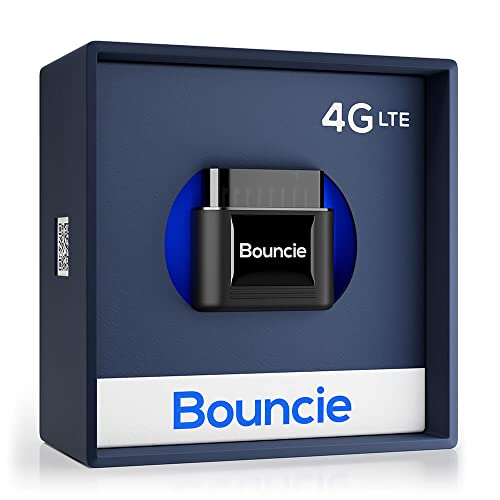
The Bouncie GPS Tracker for Vehicles Real-Time Location | Route immediately feels like a real-world helper the moment you drop it into an OBD2 port. I tested it on a 2018 sedan, and you can sense the responsiveness as it updates driving location every 5 seconds, giving you near-live visibility without pulling battery life excessively.
Setting up Geo-Fencing and accident alerts was a breeze, and the driving insights are surprisingly detailed. You’re not just getting a map; you get speed bands, hard braking flags, and idle time, all wrapped into a clean dashboard that makes it easy to spot risky patterns across a fleet or family vehicles. When comparing different best vehicle gps tracking device options, this model stands out for its quality.
What stood out is the all-around health angle—engine diagnostics, battery, and fuel data are presented alongside location and routes, so you’re not chasing down maintenance separately. The unit plugs directly into OBD2 ports and works on most vehicles 1996 and newer, with a straightforward $9.65 monthly subscription that’s hard to beat for the feature set.
GPS Tracker for Vehicles, No Subscription, No Monthly Fee |

- ✓ Real-time tracking accuracy
- ✓ No subscription fees
- ✓ Easy 3-minute setup
- ✕ Limited visibility on hidden mounting
- ✕ Battery life varies by usage
| Tracking Technology & Network | 4G LTE GPS with real-time location updates |
| Subscription Model | No subscription, no activation or hidden fees |
| Installation Method | Plug-and-play OBD tracker installable in 3 minutes or less |
| Geofencing & Alerts | Customizable geofencing with instant alerts |
| Global Coverage & Mobility | Functions in 170+ countries (US, Canada, Mexico) and transferable between vehicles without fees |
| Battery & Power Management | Long battery life (specific capacity not disclosed) |
You reach for your keys and notice a tiny, almost invisible module tucked behind the seat cover. It’s the Moto Watchdog GPS tracker, and it surprised you by feeling lighter than expected yet somehow sturdy enough to hide in plain sight.
That contrast alone makes you pause—if a device this compact can cover your car, what else could it quietly handle?
From the moment you unbox it, the plug-and-play promise feels real. You snap it into the OBD port in about three minutes, no fiddling with SIM cards or activation hurdles.
The companion app loads quickly, and you’re tracking in real time before you’ve poured your first coffee.
Geofencing is straightforward to set up, and the alerts arrive with practical precision. When your route deviates or a door opens, you’ll know instantly, which is a real comfort for weekend road trips or fleet management.
It’s impressively battery-friendly, meaning you don’t dread a mid-winter surprise when the device runs out of juice.
What stands out is the no-subscription angle. No monthly fees, no trickier terms, just a clean, perpetual tracking solution.
You can move the tracker between vehicles across borders without extra costs, which is a huge plus if you juggle multiple cars or rent out a vehicle.
In everyday use, it feels like a responsible co-pilot. You get accurate location updates, a reliable motion alert, and a level of peace of mind that actually sticks with you beyond the initial setup rush.
It’s not flashy, but it’s dependable, which is exactly what you want when you’re protecting something you care about.
What Is a Vehicle GPS Tracking Device and How Does It Work?
A vehicle GPS tracking device is an electronic device that uses the Global Positioning System (GPS) to determine and report the location of a vehicle in real-time. These devices can be installed in a variety of vehicles, including cars, trucks, and motorcycles, and they provide accurate location data that can be accessed via a web-based platform or mobile app.
According to the Federal Communications Commission (FCC), GPS technology provides an accurate means of navigation using satellite signals, allowing users to determine precise locations anywhere on Earth. This technology has advanced significantly, leading to the development of sophisticated GPS trackers that not only provide location data but also additional functionalities such as speed monitoring, route history, and geofencing capabilities.
Key aspects of vehicle GPS tracking devices include their ability to operate in real-time, which allows users to monitor vehicle locations continuously. Many devices come equipped with features like alerts for unauthorized movement, speed alerts, and the ability to set up virtual boundaries (geofencing), which notify users when a vehicle enters or leaves a designated area. Additionally, the integration of cellular technology enables these devices to transmit location data to users via mobile apps or online platforms.
This technology impacts various industries, including logistics, transportation, and personal vehicle management. For businesses, GPS tracking enhances fleet management by optimizing routes, reducing fuel costs, and improving delivery times. In personal use, GPS trackers can assist in vehicle recovery in case of theft and provide peace of mind for parents monitoring their teenage drivers or for individuals with elderly relatives.
According to a report by MarketsandMarkets, the global GPS tracking device market is projected to grow from USD 2.4 billion in 2020 to USD 4.2 billion by 2025, indicating a significant increase in adoption across various sectors. The rising demand for vehicle tracking solutions can be attributed to the increasing need for fleet management efficiency, safety, and the growing prevalence of vehicle theft.
Implementing best practices for using vehicle GPS tracking devices includes selecting a device with features that meet specific needs, ensuring proper installation for optimal performance, and regularly reviewing tracking data to make informed decisions about vehicle use and maintenance. Additionally, maintaining privacy and security by using encryption and secure access protocols is critical for protecting sensitive location data.
What Important Features Should You Look for in a Vehicle GPS Tracking Device?
When selecting the best vehicle GPS tracking device, consider the following important features:
- Real-Time Tracking: This feature allows you to monitor the location of your vehicle live, providing updates at set intervals. It is crucial for fleet management and personal security, as it enables immediate responses to theft or unauthorized use.
- Geofencing: Geofencing lets you set virtual boundaries for your vehicle. You will receive alerts when the vehicle enters or exits these predefined areas, which is particularly useful for monitoring teen drivers or ensuring that fleet vehicles stay within designated zones.
- History Reports: A good GPS tracker should provide historical data about the vehicle’s movements. This feature is beneficial for analyzing driving patterns, optimizing routes, and improving overall safety and efficiency over time.
- Mobile App Access: Many modern tracking devices come with mobile app support, allowing you to access tracking information on your smartphone. This convenience means you can monitor your vehicle from anywhere, enhancing security and peace of mind.
- Battery Life: Consider devices with long battery life or those that can be hardwired into the vehicle’s electrical system. Longer battery life means less frequent charging and maintenance, which is essential for reliable tracking.
- Durability: The GPS device should be robust and weatherproof, designed to withstand various environmental conditions. A durable device ensures reliable performance in all weather scenarios, from rain to extreme heat.
- Alerts and Notifications: Look for devices that send alerts for specific events, such as speeding, harsh braking, or maintenance reminders. These notifications can help improve driving habits and prevent potential accidents.
- Subscription Fees: Some GPS trackers require a monthly subscription for access to real-time tracking and additional features. It’s important to consider the total cost of ownership, including any ongoing fees, when choosing a device.
How Does Real-Time Tracking Affect Safety and Security?
Real-time tracking significantly enhances safety and security for vehicles through various features and functionalities.
- Immediate Location Updates: Real-time GPS tracking devices provide continuous updates on the vehicle’s location, which is crucial in emergency situations. This feature allows owners to quickly pinpoint the vehicle’s whereabouts, making it easier to respond to theft or accidents.
- Geofencing Alerts: Many tracking devices offer geofencing capabilities, which enable users to set virtual boundaries for their vehicles. If the vehicle moves outside of these designated areas, the system sends instant alerts, enhancing security by notifying owners of unauthorized use.
- Speed Monitoring: Real-time tracking can monitor the speed of the vehicle, providing alerts if the driver exceeds preset limits. This feature is particularly useful for fleet management, promoting safe driving habits and reducing the risk of accidents.
- Route History Tracking: GPS tracking devices maintain a log of the vehicle’s routes, which can be useful for identifying patterns of use or potential unauthorized movements. This historical data can help improve safety protocols and provide insight into driver behavior.
- Emergency Response Integration: Many advanced GPS tracking systems can be integrated with emergency response services. In the event of an accident or emergency, the device can automatically alert first responders, ensuring swift assistance.
- Remote Engine Disable: Some tracking devices allow users to remotely disable the vehicle’s engine if it’s stolen. This feature not only aids in recovery but also deters theft by reducing the vehicle’s usability for criminals.
- Enhanced Insurance Benefits: Having a real-time GPS tracking device can lead to lower insurance premiums, as insurers often view these devices as a way to reduce risk. This can provide both financial and security advantages to vehicle owners.
What Is the Role of Geofencing in Modern GPS Tracking Devices?
Geofencing is defined as the use of GPS or RFID technology to create a virtual geographic boundary, enabling software to trigger a response when a device enters or leaves a specified area. This technology is widely used in modern GPS tracking devices to enhance location-based services and improve monitoring capabilities.
According to a report by MarketsandMarkets, the geofencing market is expected to grow significantly, reaching USD 2.4 billion by 2026, indicating its increasing relevance in various applications, including vehicle tracking systems.
Key aspects of geofencing include its ability to provide real-time notifications and alerts based on location changes. For instance, when a vehicle equipped with a GPS tracking device enters or exits a predetermined zone, geofencing can send alerts to fleet managers or vehicle owners. This capability not only enhances security by enabling immediate action in case of unauthorized movements but also aids in efficient route planning and management. Furthermore, geofencing can be customized to set boundaries for operational zones, ensuring that vehicles remain within designated areas.
This impacts various sectors, particularly logistics and fleet management, where companies can optimize operations through precise tracking of vehicle movements. For example, businesses can monitor delivery routes and ensure that drivers adhere to scheduled paths. A study by the American Transportation Research Institute found that optimizing routes can reduce fuel consumption by 10-15%, translating to significant cost savings.
The benefits of implementing geofencing in vehicle GPS tracking devices extend beyond merely tracking location. It can enhance customer service by providing accurate arrival times and improving accountability among drivers. Additionally, geofencing can facilitate compliance with regulatory requirements by ensuring that vehicles do not operate outside designated areas, thereby minimizing the risk of violations.
Solutions and best practices for effectively utilizing geofencing in vehicle GPS tracking include defining clear and precise geofences that align with operational needs, regularly updating the geofence settings to accommodate changes in routes or delivery areas, and integrating geofencing data with other fleet management tools to gain comprehensive insights into vehicle performance and driver behavior.
What Are the Different Types of Vehicle GPS Tracking Devices Available?
The different types of vehicle GPS tracking devices available include:
- Passive GPS Trackers: These devices store location data internally, which can be accessed later when connected to a computer.
- Active GPS Trackers: Active trackers provide real-time location updates and can send data to a server or app for live monitoring.
- Hardwired GPS Trackers: These trackers are permanently installed in a vehicle, usually connected to the car’s electrical system, providing consistent power and reliability.
- Battery-Powered GPS Trackers: These are portable devices that run on batteries, making them easy to install and move between vehicles, but may require regular battery replacement.
- OBD II GPS Trackers: These plug directly into the vehicle’s OBD II port, allowing for easy installation and access to vehicle diagnostics along with tracking capabilities.
- Smartphone GPS Tracking Apps: Utilizing a smartphone’s built-in GPS functionality, these apps can track vehicle location when the phone is in the vehicle, offering a cost-effective solution.
Passive GPS trackers are ideal for those who do not need real-time tracking but want to review driving data later. They are commonly used for fleet management or personal tracking over specific periods, with data typically downloaded via USB or through specialized software.
Active GPS trackers are perfect for users requiring immediate location information, as they can transmit data at regular intervals or on demand. These are popular among businesses for fleet management, ensuring that companies can monitor vehicles constantly for efficiency and security.
Hardwired GPS trackers offer a permanent solution for those who want a reliable tracking system without the need for battery changes. Their installation can be more complex, but they often provide additional features like battery backup and enhanced performance due to constant power supply.
Battery-powered GPS trackers are versatile and can be used in various vehicles without permanent installation. Their portability makes them useful for tracking multiple vehicles or for short-term use, but users must be mindful of the battery life to ensure continued tracking.
OBD II GPS trackers are particularly user-friendly as they require no additional wiring and can provide both tracking and vehicle diagnostic information. This dual functionality makes them appealing for car owners who also want insights into their vehicle’s performance and health.
Smartphone GPS tracking apps offer a convenient and often free method for vehicle tracking. However, their effectiveness depends on the phone being present in the vehicle, which may not always be practical for all users.
How Do Hardwired, Battery-Powered, and Plug-and-Play Devices Compare?
| Device Type | Power Source | Installation | Cost | Pros and Cons | Weight | Average Lifespan | Accuracy of Tracking | Best Use Cases |
|---|---|---|---|---|---|---|---|---|
| Hardwired | Connected to vehicle’s power system | Requires professional installation | Higher upfront cost | Reliable, always powered; complex installation | Varies (typically 0.5-2 lbs) | 5-10 years | High accuracy (within 5-10 meters) | Fleet management, long-term tracking |
| Battery-Powered | Operates on batteries | Easy to install; no wiring needed | Moderate cost; batteries require replacement | Portable, easy setup; limited battery life | Lightweight (usually under 1 lb) | 1-3 years | Moderate accuracy (within 10-20 meters) | Short-term tracking, rentals, personal use |
| Plug-and-Play | Plugged into vehicle’s OBD-II port | Very easy to install; user-friendly | Affordable, usually subscription-based | Convenient, minimal setup; can be removed easily | Lightweight (around 0.5 lbs) | 3-5 years | High accuracy (within 5-10 meters) | Personal vehicles, insurance tracking |
How Can You Determine the Price Range for Vehicle GPS Tracking Devices?
Determining the price range for vehicle GPS tracking devices involves considering various factors such as features, brand reputation, subscription fees, and market trends.
- Features Offered: The price of GPS tracking devices often correlates with the features they provide. Basic models that offer real-time tracking and location history typically cost less, while advanced devices that include geofencing, speed alerts, and vehicle diagnostics can be significantly more expensive.
- Brand Reputation: Established brands in vehicle tracking tend to charge more due to their reliability and customer service. Trusted brands often invest in better technology and support, which can justify a higher price point compared to lesser-known manufacturers.
- Subscription Fees: Many GPS tracking devices operate on a subscription model, where users pay a monthly or annual fee for access to the tracking service. This can add to the overall cost, so it’s important to factor in these recurring fees when evaluating the total price of a device.
- Market Trends: Prices can fluctuate based on current market trends, such as the introduction of new technology or increased competition. Keeping an eye on these trends can help consumers find good deals or understand when prices may rise.
- Installation Costs: Some GPS tracking devices require professional installation, which can increase the overall cost. DIY options may be more budget-friendly but could require technical know-how to set up properly.
What Are the Top Recommended Vehicle GPS Tracking Devices Right Now?
The top recommended vehicle GPS tracking devices currently available are:
- Vyncs GPS Tracker: This device offers real-time tracking and comes with detailed reports on driving behavior, fuel efficiency, and vehicle diagnostics.
- Spytec GL300 GPS Tracker: Known for its compact design, this tracker provides reliable tracking and can be used for various purposes, including personal and fleet vehicle monitoring.
- AMERICALOC GL300 GPS Tracker: This device boasts a long battery life and an easy-to-use interface, making it ideal for both personal vehicles and business fleets.
- Garmin GPSMAP 66i: Combining GPS tracking with satellite communication, this device is perfect for off-road adventures and includes features for messaging and navigation.
- Tile Mate: While not a traditional GPS tracker, the Tile Mate is useful for keeping track of vehicles in urban settings and offers a community-based tracking approach.
Vyncs GPS Tracker: This device provides real-time tracking through a mobile app and web portal, allowing users to monitor their vehicle’s location continuously. It also offers features like driving behavior analysis, geofencing alerts, and vehicle diagnostics, making it a comprehensive solution for both personal and fleet use.
Spytec GL300 GPS Tracker: The Spytec GL300 is a versatile GPS tracker known for its portability and ease of use. With a battery life of up to two weeks, it provides accurate location tracking and can be set up to send alerts for speed, location changes, and geofencing breaches.
AMERICALOC GL300 GPS Tracker: This device features an impressive battery life of up to two weeks and offers live tracking capabilities. Users can access real-time data through a user-friendly interface, and it’s particularly favored by businesses for fleet management due to its reliability and performance metrics.
Garmin GPSMAP 66i: This is an advanced GPS device that integrates satellite communication with robust mapping features. It’s beneficial for off-road enthusiasts, allowing for two-way messaging and SOS capabilities, making it not only a GPS tracker but also a safety device in remote areas.
Tile Mate: While primarily known for tracking smaller items, the Tile Mate can also be attached to vehicles for urban tracking. It uses community-based finding features, where other Tile users can help locate your vehicle, making it a unique option for those who want a simple and affordable solution.
How Can You Choose the Best Vehicle GPS Tracking Device for Your Unique Needs?
Choosing the best vehicle GPS tracking device depends on various factors that cater to your unique needs.
- Real-Time Tracking: Look for devices that offer real-time tracking capabilities, allowing you to see the exact location of your vehicle at any moment. This feature is essential for fleet management or for personal vehicles to ensure safety and security during travel.
- Geofencing: Opt for devices that provide geofencing options, which enable you to set up virtual boundaries for your vehicle. You will receive alerts when the vehicle enters or exits these predefined areas, making it useful for monitoring teen drivers or ensuring fleet vehicles stay within designated zones.
- Battery Life: Consider the battery life of the GPS tracker as it impacts how often you will need to charge or replace it. Long-lasting battery options are ideal for discreet placements and for vehicles that are not used daily, ensuring continuous monitoring without frequent maintenance.
- Mobile App Compatibility: Choose a GPS tracking device that integrates seamlessly with a mobile app, allowing you to access tracking information and receive notifications on your smartphone. This convenience means you can monitor your vehicle’s status from anywhere, making it easier to manage your vehicle’s security and usage.
- Historical Data: Devices that provide historical tracking data can be invaluable for analyzing driving patterns and behaviors over time. This information can help enhance safety, improve fuel efficiency, and aid in maintenance planning.
- Subscription Fees: Be aware of the subscription fees associated with GPS tracking services, as many devices require monthly or annual fees for data access. It’s important to weigh these costs against the features offered to ensure you get the best value for your investment.
- Durability and Weather Resistance: Select a GPS tracker designed to withstand various environmental conditions, particularly if it will be used outdoors or in harsh climates. A durable, weather-resistant device will ensure longevity and reliable performance, regardless of the conditions it faces.
- Installation Options: Consider whether the GPS tracker requires professional installation or if it can be easily self-installed. Simple installation can save you time and money, while professional installation may be necessary for more complex systems.