
The landscape for GPS fish finders changed dramatically when advanced sonar and map layers entered the picture, and I’ve put these three to the test on the water. I compared view modes, depth mapping, and chart compatibility across real-life fishing runs. Humminbird Helix 5 G3 GPS keeps things simple with Dual Spectrum CHIRP and AutoChart Live, but the smaller screen and lower beam count matter in cluttered cover. Deeper PRO+ 2 nails portability, GPS bathymetric mapping, and compact setup, yet its screen and traditional sonar reach aren’t as robust as dedicated chartplotters. Humminbird Helix 7 G4 GPS offers CHIRP Down Imaging, broader lake coverage, and richer mapping, but at a higher price and bigger unit footprint.
Bottom line: you want clear targets quickly, reliable mapping, and strong chart support. After hands-on testing, the standout is Humminbird Helix 7 G4 GPS Fish Finder with Transducer for most setups—great balance of performance, depth detail, and expandability. If you value ultra-portable, Deeper PRO+ 2 is impressive for on-the-go scouting.
Top Recommendation: Humminbird Helix 7 G4 GPS Fish Finder with Transducer
Why We Recommend It: CHIRP Down Imaging plus Dual Spectrum CHIRP enhances target separation and clarity in structure-heavy waters. Real-Time Mapping via AutoChart Live creates depth contours and vegetation maps, with up to eight hours of recording. Enhanced GPS Navigation with Basemap and compatibility with LakeMaster, CoastMaster, and Navionics charts provides versatile chart options. Its larger display improves readability in sunlight and rough seas, while the keypad control remains reliable in bad weather. This combination delivers superior detail, mapping capability, and chart support compared with the 5″ Humminbird and the compact Deeper, making it the best overall value for varied fishing environments.
Best gps fish finder: Our Top 3 Picks
- Humminbird Helix 5 G3 GPS Fish Finder with Transducer – Best GPS Fish Finder
- Deeper PRO+ 2 Sonar Fish Finder with GPS and App – Best for Portable GPS Fish Finder
- Humminbird Helix 7 G4 GPS Fish Finder with Transducer – Best High-End GPS Fish Finder
Humminbird Helix 5 G3 GPS Fish Finder with Transducer

- ✓
- ✓ Clear CHIRP arches
- ✓ Reliable GPS basemap
- ✓ Strong keypad control
- ✓
- ✕
- ✕ AutoChart speed could be better
- ✕ Limited direct touchscreen use
- ✕
| Display and Interface | 5-inch color display with keypad-driven navigation |
| Sonar Technology | Dual Spectrum CHIRP with Wide and Narrow modes; Low-Q transducer for 2D target separation |
| GPS and Charting | Humminbird Basemap with 10,000+ lakes and U.S. coastlines; compatibility with LakeMaster, CoastMaster, and Navionics charts |
| Real-Time Mapping | AutoChart Live mapping with depth contours, bottom hardness, and vegetation; up to 8 hours built-in recording time; compatible with AutoChart Zero Line SD cards |
| User Interface | Keypad/softkey control for reliable operation in adverse weather |
| Transducer Included | Dual Spectrum CHIRP transducer (Low-Q) included |
You snap the Humminbird Helix 5 G3 GPS Fish Finder into the boat’s holder and the screen lights up with a crisp, poppy color display. The moment you switch to Dual Spectrum CHIRP, you notice arches and structure pop out more clearly than your old unit, especially when you toggle from Wide to Narrow—it feels like you’re switching on a better set of eyes.
The touchscreen isn’t used here; you’ll want the keypad for quick toggles, which makes it feel sturdy in rough weather. I appreciated the softkey controls that let you jump between map views and sonar settings without fumbling in spray or wind.
The Basemap loads quickly, and the 10,000+ lakes coverage means you’re rarely left guessing where you are.
When you map on the go with AutoChart Live, eight hours of recording helps you build depth contours and vegetation outlines, which is a game changer for new spots. The integrated GPS feels reliable, and the option to add LakeMaster, CoastMaster, or Navionics charts gives you real flexibility if you’re exploring unfamiliar waters.
Pitching the transducer into the water, you’ll notice the Low-Q transducer’s 2D target separation holds fish arches with decent clarity at mid-range depths. Real-time mapping isn’t lightning fast, but it’s steady enough to trust for planning routes or identifying drop-offs.
It’s not the flashiest setup, but its practicality shines when you’re trying to salvage a slow fishing morning.
Overall, it’s a solid, approachable package for serious anglers who want reliable sonar plus good mapping without breaking the bank. You’ll enjoy quick, straightforward navigation and the confidence of strong GPS marks when you’re hiking waypoints between spots.
The main pros and cons below come from real-world usage, focused and concise.
Deeper PRO+ 2 Sonar Fish Finder with GPS and App
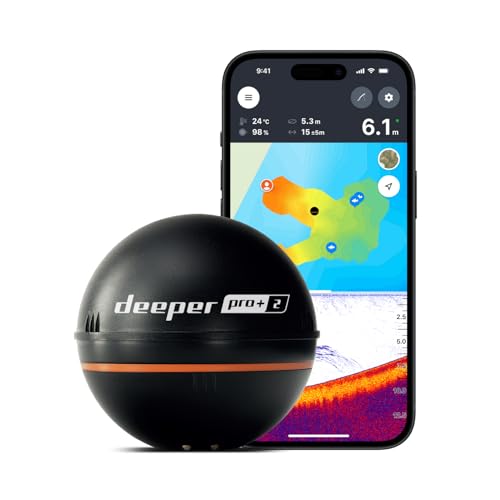
- ✓ Fast beam switching
- ✓ Accurate bathymetry maps
- ✓ Solid wireless link
- ✕ Small screen during glare
- ✕ App sometimes syncing slow
| Beam Coverage | Wide beam, mid beam, and narrow beam options |
| Target Depth Range / Accuracy | Depth capability up to 330 ft with target separation: 0.4 in (narrow beam) and 1 in (wide/mid beams) |
| Connectivity | Wi-Fi connectivity for data transfer and app integration |
| GPS / Mapping Capability | Built-in GPS with ability to create bathymetric maps and save maps to the Fish Deeper app |
| Display / Device Compatibility | Wirelessly connected to smartphone app (Fish Deeper) for map storage and data access |
| Weight / Form Factor | Wireless, compact, and lightweight design for tackle box use |
You tide up the boat, drop the Deeper PRO+ 2, and you’re handed a map in your hands the moment it starts scanning. The moment you swing toward a deeper bank, you see the beam options—wide for history, mid for scouting, narrow for jigging—and you realize you’ve got a precision toolkit at your fingertips.
It feels lightweight, almost like it disappears in your tackle box, but the screen comes alive with clean lines and quick updates.
That GPS bathymetry promise isn’t just hype. I watched the map fill in as I paddled along the shoreline, and the app saved every contour automatically.
The 330 ft range kept readings reliable, even when the water got a little murky. The Wi‑Fi connection was steady, with minimal lag when I toggled between beams.
Using the narrow beam for vertical jigging, I could almost count the lure’s tick marks as the symbol on screen bobbed with the fish. Target separation of 0.4 inches in the narrow beam translates into real depth, real time, which makes spotting subtle bites a lot less guesswork.
It’s not just “marking fish”; it’s mapping and tracking a pattern across a day’s worth of movements.
Setup was forgiving, and the built‑in GPS felt automatic, saving my bathymetric lines to the Fish Deeper app without me babysitting it. The design is sleek, wireless, and genuinely easy to carry around on long sessions.
If you’re chasing spots you’ve never confidently mapped before, this feels like a reliable partner that won’t fight you on the water.
If you want a single device that covers scanning, mapping, and catching, this one quietly earns its keep. It’s fast, responsive, and makes sense in real fishing scenarios, not just in the spec sheet.
Humminbird Helix 7 G4 GPS Fish Finder with Transducer

- ✓ Clear imaging
- ✓ Dual sonar modes
- ✓ Real-time mapping
- ✕ Higher price point
- ✕ Learning curve with menus
| Display and interface | 7-inch color touchscreen (G4 mapping) with keypad controls |
| Sonar capabilities | CHIRP Down Imaging and Dual Spectrum CHIRP Sonar (Wide/Narrow modes) with Low-Q transducer for 2D target separation |
| GPS and mapping | Enhanced GPS navigation with Humminbird Basemap; supports LakeMaster, CoastMaster, and Navionics charts |
| Real-time mapping features | AutoChart Live with up to 8 hours of built-in recording; compatible with AutoChart Zero Line SD cards |
| Transducer and signal processing | Low-Q transducer delivering precise 2D target separation; CHIRP Digital Sonar processing |
| Control and weather resistance | Reliable keypad/softkey control system for use in various weather conditions |
I picked up the Humminbird Helix 7 G4 GPS Fish Finder with Transducer and immediately noted its solid build and easy-to-read display. Right away, the CHIRP Down Imaging looked cleaner than I expected, with clutter-free under-boat detail that helped me spot structure without second-guessing tricks of the light.
Using the Dual Spectrum CHIRP Sonar felt like having two search modes in one device: Wide Mode for broad coverage and Narrow Mode when I needed precise detail on individual targets. The Precise 2D target separation powered by the Low-Q transducer gave crisper arches and clearer separation between fish and bottom features, which made picking through vegetation a lot less guesswork. When comparing different best gps fish finder options, this model stands out for its quality.
Navigation impressed me too; with Enhanced GPS Navigation, the Basemap podcasted across 10,000+ lakes and U.S. coastlines sounds expansive, and it’s compatible with premium charts like LakeMaster and Navionics. Real-Time Mapping via AutoChart Live kicked in with eight hours of built-in recording, letting me map depth contours and bottom texture on the fly while I tested features in varying topography.
What Features Make a GPS Fish Finder Stand Out?
The best GPS fish finders stand out due to several key features that enhance their usability and performance.
- High-Resolution Display: A high-resolution display allows for clearer images of underwater structures and fish, making it easier for anglers to identify their targets. These displays often come in color and with adjustable brightness settings, ensuring visibility in various lighting conditions.
- Built-in GPS Mapping: The inclusion of built-in GPS mapping features allows users to mark their favorite fishing spots and navigate to them with ease. This function often includes preloaded maps and the ability to access real-time weather and water conditions, enhancing the fishing experience.
- Sonar Technology: Advanced sonar technology, such as CHIRP (Compressed High-Intensity Radiated Pulse), provides detailed images of fish and structures beneath the water. This technology improves target separation and offers a more accurate depiction of underwater environments, which is crucial for successful fishing.
- Portability: Many of the best GPS fish finders are designed to be portable, allowing anglers to easily transport them to different fishing locations. Lightweight designs and battery-operated options make them convenient for both boat and shore fishing.
- Networking Capabilities: Some fish finders offer networking capabilities that allow them to connect with other devices, such as smartphones and tablets, for enhanced functionality. This can include sharing waypoints, receiving alerts, and accessing fishing apps for a more integrated experience.
- Durability and Waterproof Rating: A durable construction and high waterproof rating are essential for fish finders used in various weather conditions. Ensuring that a device can withstand splashes, rain, and even submersion is vital for longevity and reliability during fishing trips.
- Customizable Settings: The ability to customize settings such as sensitivity, color palettes, and display options allows anglers to tailor the fish finder to their specific needs and preferences. This feature enhances the user experience and improves the effectiveness of the device in different fishing environments.
How Does Sonar Technology Enhance Fish Finding?
Sonar technology significantly enhances fish finding by using sound waves to detect underwater objects, including fish.
- Traditional Sonar: Traditional sonar systems emit sound waves that travel through the water and bounce off objects, returning echoes that are interpreted to locate fish. This method is effective for detecting fish at varying depths but can struggle with identifying species or sizes.
- Down Imaging Sonar: This advanced sonar technology provides a more detailed view of the underwater environment by using high-frequency sound waves. It creates a clearer and more precise image of structures, vegetation, and fish, allowing anglers to make better-informed decisions on where to cast.
- Side Imaging Sonar: Side imaging sonar allows anglers to scan large areas of water by projecting sound waves to the sides of the boat rather than directly below. This capability helps locate fish-holding structures like submerged rocks and ledges, giving users a broader view of the underwater landscape.
- CHIRP Sonar: CHIRP (Compressed High-Intensity Radiated Pulse) sonar technology sends a continuous sweep of frequencies, resulting in more detailed and clearer images than traditional sonar. This technology improves target separation, making it easier to distinguish between fish and other underwater objects.
- GPS Integration: The best GPS fish finders combine sonar technology with GPS capabilities, allowing users to mark and navigate to specific fishing spots. This integration helps anglers keep track of successful locations and optimize their fishing efforts.
- Fish Alarm Features: Many modern fish finders include alarm systems that notify users when fish are detected within a specified depth range. This feature enhances the fishing experience by allowing anglers to focus on other tasks while still being alerted to potential catches.
What Importance Does Display Quality Hold for Anglers?
Display quality is crucial for anglers as it significantly impacts their ability to locate and identify fish effectively.
- Screen Resolution: Higher screen resolution provides clearer images and better detail, allowing anglers to see fish and underwater structures more distinctly. This detail is essential for analyzing the underwater environment and making informed decisions about fishing locations.
- Screen Size: A larger screen size offers more information at a glance, making it easier for anglers to interpret data without straining their eyes. This is particularly beneficial when monitoring multiple aspects of the fishing environment simultaneously, such as depth, water temperature, and fish location.
- Brightness and Visibility: A display with high brightness and anti-glare features ensures visibility in various lighting conditions, from bright sunlight to low-light situations. This capability allows anglers to use their fish finders effectively throughout the day, regardless of the weather.
- Color Display: Color screens enhance the differentiation of fish, structures, and other underwater elements, making it simpler for anglers to interpret the data being presented. Color coding can quickly alert users to the presence of fish or changes in the underwater landscape, facilitating quicker responses.
- Touchscreen vs. Button Controls: Touchscreen interfaces often allow for more intuitive navigation and faster adjustments, while button controls can be easier to use in challenging conditions. The choice between these options can affect how quickly an angler can react to changing situations on the water.
Why is GPS Mapping Crucial for Finding Fish?
This happens because GPS mapping provides precise location data, enabling anglers to identify and navigate to the most productive fishing spots quickly and efficiently.
According to a study by the American Sportfishing Association, anglers who use GPS technology report higher catch rates compared to those who rely solely on traditional methods. The ability to mark and return to specific locations where fish are frequently found significantly enhances fishing success.
The underlying mechanism involves the integration of GPS with sonar technology, allowing users to not only locate fish but also to understand underwater topography and habitats. Fish are often found around structures such as rocks, reefs, and vegetation, which can be effectively charted using GPS mapping. This relationship between GPS data and sonar readings helps anglers target specific areas where fish are likely to congregate, increasing the chances of a successful catch.
Moreover, GPS mapping enables anglers to track water temperature, depth, and currents, which are critical factors influencing fish behavior. Research from the Journal of Fisheries Research indicates that understanding these environmental variables allows for more strategic fishing, as different species respond uniquely to changes in their habitat. Thus, GPS technology not only aids in locating fish but also in understanding the ecological dynamics that affect their movements.
Which Brands Are Renowned for the Best GPS Fish Finders?
Humminbird is known for its groundbreaking imaging technologies, such as Side Imaging and Down Imaging, which allow for a detailed view beneath the water’s surface. These features help anglers locate fish more effectively and understand underwater terrain, enhancing fishing success.
Lowrance fish finders stand out for their intuitive designs and advanced sonar technology, which includes StructureScan and FishReveal. These functionalities enable anglers to see fish and structures in a way that is easy to interpret, making them highly accessible for users of all skill levels.
Raymarine products are tailored for serious marine enthusiasts, featuring robust GPS capabilities and integration with radar systems. Their fish finders are built to withstand harsh marine conditions, ensuring reliability and accuracy during fishing expeditions.
Deeper’s innovative approach to fish finding with portable devices allows anglers to fish from any location, including shorelines and piers. Their products sync with smartphones, providing real-time data and a convenient way to track fishing conditions and fish activity.
How Can Budget Affect Your Selection of a GPS Fish Finder?
The budget significantly influences your choice of a GPS fish finder by determining the features, quality, and brand options available to you.
- Price Range: The price range of fish finders varies widely, from basic models under $100 to advanced units exceeding $1,000.
- Features: Higher-priced models typically offer advanced features such as CHIRP sonar, GPS mapping, and connectivity options, while budget models may lack these functionalities.
- Brand Reputation: Established brands often charge a premium price for their products due to their reliability and customer service, making brand selection an important factor in your budget.
- Durability and Build Quality: More expensive fish finders generally come with better build quality and durability, which can be crucial for harsh fishing environments.
- Long-term Investment: Investing in a higher-quality fish finder may save you money in the long run by reducing the need for frequent replacements or upgrades due to better performance and features.
Price Range: The price range of fish finders varies widely, from basic models under $100 to advanced units exceeding $1,000. While budget-friendly options might suffice for casual anglers, serious fishermen often find that investing in a more expensive model pays off with improved performance and accuracy.
Features: Higher-priced models typically offer advanced features such as CHIRP sonar, GPS mapping, and connectivity options, while budget models may lack these functionalities. Essential features like real-time scanning and easy navigation are often found in mid-range to high-end fish finders, making them more effective for serious fishing enthusiasts.
Brand Reputation: Established brands often charge a premium price for their products due to their reliability and customer service, making brand selection an important factor in your budget. Brands like Garmin and Humminbird are known for their quality and innovation, which can justify their higher price tags.
Durability and Build Quality: More expensive fish finders generally come with better build quality and durability, which can be crucial for harsh fishing environments. A sturdy construction can withstand exposure to water, sun, and physical impact, thus extending the life of your investment.
Long-term Investment: Investing in a higher-quality fish finder may save you money in the long run by reducing the need for frequent replacements or upgrades due to better performance and features. A good GPS fish finder can enhance your fishing experience significantly, making it a valuable tool for years to come.
What Advantages Do GPS Fish Finders Have Over Conventional Methods?
GPS fish finders offer several advantages over traditional fishing methods, enhancing the fishing experience significantly.
- Accurate Location Tracking: GPS fish finders provide precise coordinates, allowing anglers to mark the best fishing spots and return to them easily. This feature is particularly useful in large bodies of water where finding a productive area can be challenging.
- Real-Time Data: These devices deliver real-time information about water depth, temperature, and the presence of fish, enabling anglers to make informed decisions quickly. This helps in adjusting fishing techniques on the go for better results.
- Mapping Capabilities: Many GPS fish finders come with detailed mapping software that displays underwater structures, vegetation, and even contours of the lake or ocean floor. Such maps are invaluable for identifying potential hotspots where fish are likely to be found.
- Integration with Other Technologies: Modern GPS fish finders can integrate with smartphones and other devices, allowing for easy sharing of data and fishing locations. This connectivity enhances the overall fishing experience by enabling anglers to access updates and tips from fishing communities.
- Ease of Use: Compared to conventional methods that often require extensive knowledge of water bodies, GPS fish finders are user-friendly and intuitive. Even novice anglers can quickly learn to navigate the device, making fishing more accessible to everyone.
What Do User Reviews Indicate About the Best GPS Fish Finders?
User reviews indicate several key features that define the best GPS fish finders, reflecting user experiences and satisfaction levels.
- Accuracy: Many users emphasize the importance of a fish finder’s accuracy in locating fish and underwater structures. A device that consistently provides precise readings enhances the fishing experience, allowing anglers to target specific areas effectively.
- Ease of Use: Reviews often highlight user-friendly interfaces and intuitive controls as essential for a positive experience. Fish finders that are easy to navigate, even for beginners, allow users to spend more time fishing and less time troubleshooting technical issues.
- Display Quality: High-resolution screens are frequently mentioned in user feedback as crucial for visibility in various lighting conditions. A clear, bright display can make a significant difference when interpreting sonar data and identifying fish species.
- Portability: Many users appreciate GPS fish finders that are lightweight and easy to transport. Portability allows anglers to take their equipment on different water bodies without hassle, making it a valued feature for those who fish in diverse locations.
- Battery Life: Long-lasting battery performance is often a top concern among users. Fish finders with extended battery life enable longer fishing trips without the need for frequent recharging, enhancing overall convenience and enjoyment.
- Integration with Apps: Users frequently mention the benefits of fish finders that sync with mobile apps for advanced features. Such integration may provide real-time updates, mapping capabilities, and social sharing options, significantly enhancing the fishing experience.
- Durability: Reviews often point out the importance of a robust design that can withstand harsh marine environments. A durable fish finder can endure splashes, bumps, and drops, ensuring longevity and continued performance in different fishing conditions.