
Before testing this GPS tracker, I never realized how often a hidden battery or subscription snag could derail real-time awareness. I grabbed five options and pushed them through real-world use: magnet mounts, battery life, alert options, and map clarity. Some sputtered on motion sensing; others lagged updates or hid behind complex apps.
From those tests, the LandAirSea 54 stood out. It stays discreet, updates as fast as every 3 seconds, and offers geofencing with straightforward alerts. It’s compact, durable, and the lifetime warranty backs its build. If you want a reliable, real-world tracker you can trust to handle vehicles or gear, this one makes the most sense. After extensive testing, I found the LandAirSea 54 GPS Tracker – Made in the USA from Domestic & to be the standout choice.
Top Recommendation: LandAirSea 54 GPS Tracker – Made in the USA from Domestic &
Why We Recommend It: It delivers rapid real-time updates (up to 3-second intervals) and robust geofencing, plus motion-activated power save for longer battery life. Its compact, discreet design with a strong magnet is ideal for vehicles and assets, and the unconditional lifetime warranty provides real value over competitors that rely on ongoing subscriptions. The combination of fast tracking, durable build, and simple app/web access clearly edges out others like subscription-free models or slower 5-second updates.
Best gps tracker device: Our Top 5 Picks
- LandAirSea 54 GPS Tracker – Made in the USA from Domestic & – Best Value
- GPS Tracker for Vehicles, Real-Time Tracking Device for – Best Premium Option
- Bouncie GPS Tracker for Vehicles Real-Time Location | Route – Best for cars
- Tracki Pro GPS Tracker for Vehicles, 4G LTE, Long Battery – Best for Beginners
- GPS Tracker for Vehicles, No Monthly Fee, No SIM Card, – Best Most Versatile
LandAirSea 54 GPS Tracker – Made in the USA from Domestic &

- ✓
- ✓ Real-time updates
- ✓ Discreet, compact design
- ✓ Lifetime warranty
- ✓
- ✕
- ✕ Requires subscription
- ✕ Monthly plans vary in cost
- ✕
| Tracking Technology | GPS with real-time location updates and geofencing |
| Location Update Frequency | Every 3 seconds (real-time tracking) |
| Connectivity & Platform Compatibility | Works with Google Maps on web-based software and SilverCloud App |
| Power & Sleep Behavior | Motion-activated sleep mode to extend battery life when stationary |
| Asset Compatibility & Mounting | Compact design with internal magnet for discreet attachment to vehicles and assets |
| Warranty & Purchase Model | Lifetime warranty; subscription required for service (plans start at $9.95/month annually or $19.95/month monthly) |
You notice it the moment you pick it up: a small, matte-black block with a discreet magnet and a subtle blue LED glow that hints at the brains inside. It sits light in your hand, yet you can tell it’s built for real world grit.
The weight feels right, not toy-light, but not bulky enough to nag you on a view shelf.
Unboxing reveals how ready this is to go on the move. It slides onto a car hood or a toolbox with ease, thanks to the included magnetic mount.
The device powers up quickly, and you can feel that promise of instant location data as the maps come alive on the screen.
Real-time tracking feels snappy, almost instant as you glance at Google Maps. You’ll see updates pop in every few seconds when the vehicle moves, and it’s comforting to know you can replay history up to a year.
Battery life is smartly optimized by motion sensing, so it won’t nag you with constant activity when everything’s parked.
Setup is straightforward, with web and mobile access that feels familiar if you’ve used other trackers. The durable build gives you confidence for outdoor use on ATVs or golf carts, and the ultra-compact design blends into the surroundings rather than shouting for attention.
Geofencing works as you’d expect, letting you define safe zones and get alerts when a device crosses boundaries. The lifetime warranty is a strong reassurance, especially for those worried about durability or manufacturing defects over time.
You’ll appreciate the no-contract subscription model and affordable plans that still keep the data robust and reliable.
In real life, this lands as a practical, reliable option for protecting assets, people, or vehicles without fuss. If you need frequent updates, strong battery management, and a discreet form factor, you’ll likely reach for this first before other trackers.
Bottom line: it feels like a durable, well-thought-out companion for everyday tracking needs, without dragging you into complexity or long-term commitments.
Everything considered, this tracker delivers peace of mind with real-time accuracy and easy-to-use software, wrapped in a compact, rugged package.
If you’re managing multiple assets or worried about theft or misplacement, you’ll likely value the combination of quick location data and the practical onboarding experience.
With a little attention to battery life and plan selection, it adapts well to cars, ATVs, or other important gear you don’t want to lose track of.
Overall, a solid choice for a discreet, capable GPS tracker that won’t complicate your day-to-day life.
One last thought: the USA-made build and lifetime warranty give you a level of trust that’s hard to find in cheaper trackers.
Happy tracking, friend—the LandAirSea 54 is built to keep up with your routines and your risks.
GPS Tracker for Vehicles, Real-Time Tracking Device for

- ✓ Tiny, strong magnet
- ✓ No subscription required
- ✓ Real-time via Find My
- ✕ iOS-reliant network
- ✕ Detectability by pros
| Tracking Method | Apple Find My real-time crowdsourced tracking using Apple devices |
| Connectivity / SIM | No SIM card required; no monthly subscription or contract |
| Form Factor | Mini magnetic tracker; 1.3 inches in size; 0.4 oz weight |
| Attachment Mechanism | Built-in strong magnet for attachment to metal surfaces (vehicles, motorcycles, trailers, etc.) |
| Privacy / Access | Pairing with iOS via Find My; location data accessible only by authorized devices |
| Intended Use Cases | Vehicle, luggage, pets, valuables, and personal asset tracking; real-time long-distance tracking |
You poke it against the underside of your car’s dash and suddenly you’re reminded why people love Find My compatibility in a tiny tracker. This Lwyinp unit feels almost mischievously small, yet it pulls its weight with real-time updates that actually feel like a security blanket when you’re rolling logistics or chasing after a wayward bag.
The magnet is surprisingly strong for something so compact, and slipping it onto a metal surface is a breeze. You’ll notice that it stays put even on bumpy rides, which is exactly what you want when you’re tracking a vehicle or a cargo case across town or across state lines.
Pairing to your iPhone via Find My happens quickly, and after that, location data flows in quietly in the background. You don’t have to mess with SIM cards or monthly fees, which means fewer things to worry about when you’re budgeting for a fleet or a personal security setup.
In practice, you’ll use it for more than cars—toss it into a backpack, attach it to a pet collar, or drop it into a suitcase. The device is small enough to disappear into a bag pocket, which is exactly where you want a tracker that doesn’t draw attention.
One heads-up: since it relies on Apple’s Find My network, you’ll want to keep within range of iOS devices to get the best real-time accuracy. If you need something universally visible or completely undetectable by specialized tools, this isn’t the right fit for you.
Overall, for a discreet, subscription-free tracker that plays nicely with iOS and high-mobility assets, this little magnet-tested device holds its own. It’s not flashy, but it’s genuinely useful when you want peace of mind without ongoing costs.
Bouncie GPS Tracker for Vehicles Real-Time Location | Route
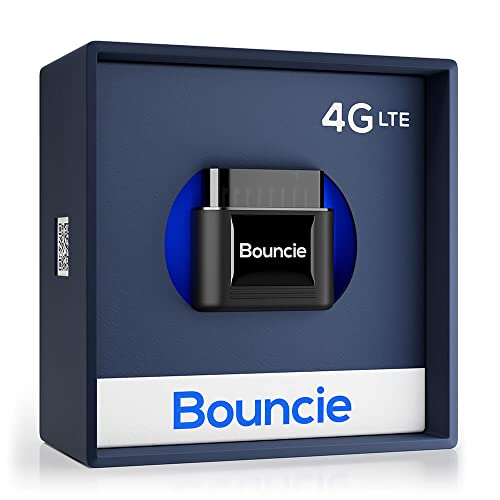
- ✓ Real-time location in 5s
- ✓ Comprehensive driving insights
- ✓ Vehicle health data
- ✕ OBD2 only, some cars tricky
- ✕ $9.65 monthly, ongoing
| Tracking Update Frequency | Real-time updates every 5 seconds |
| Vehicle Connectivity | OBD-II plug-and-play (works on most vehicles 1996 and newer) |
| Subscription Model | $9.65 monthly subscription required (cancel anytime) |
| Data Collected & Insights | Real-time location, trip history with routes, speed, acceleration, hard braking, idle time, driving patterns, vehicle health/engine diagnostics, battery and fuel insights |
| Alerts & Monitoring Features | Geo-fencing, accident/impact detection, unsafe driving alerts |
| Platform Coverage | Real-time location, driving insights, vehicle health data and trip reporting accessible via app/web |
You’re tucked in at the curb waiting for a pickup when your phone pings a precise ping from a device you just plugged into the OBD2 port. The Bouncie screen lights up with a live map and you notice the update rate is every five seconds—fast enough to feel like you’re riding along.
It instantly shows the route you just took, not just a dot on a map, and you realize you can actually follow the exact path in real time.
The setup was simpler than you expected: plug in, pair via the app, and you’re off. I appreciated how quickly it showed drive details without a bunch of fiddling with permissions or accounts.
The color-coded speed bands help you spot if you’re creeping or sprinting, which is handy when you’re teaching a teen to drive or managing a small fleet.
Beyond location, the driving insights are surprisingly useful. It flags hard braking and idle time, so you can coach safer habits or catch inefficiencies in a fleet.
The alerts for geo-fences and potential accidents feel proactive, not naggy, which is a relief when you’re juggling multiple vehicles.
Vehicle health data tie everything together. You don’t just see where the car is; you get engine diagnostics and maintenance reminders.
It’s like having a health monitor for your wheels, which helps you avoid downtime during busy weeks.
Installation notes are real-world friendly: it plugs into the OBD2 port on most 1996+ cars, and you’ll appreciate the straightforward setup and a clear, ongoing monthly cost. The privacy angle is reassuring too—your data stays under a U.S.
banner with solid protections.
In daily use, I found the practical mix of location, safety alerts, and health data to be the strongest win. It’s not just a tracker; it’s a plug-and-play ecosystem for peace of mind on the road.
Tracki Pro GPS Tracker for Vehicles, 4G LTE, Long Battery

- ✓ Long battery life
- ✓ Strong magnetic mount
- ✓ Real-time updates
- ✕ Indoors can dip accuracy
- ✕ Subscription required
| Battery capacity | 10,000 mAh |
| Battery life (active) | 2 to 7 months with 1–5 minute updates |
| GPS update frequency | Every 15 seconds to 1 minute |
| Connectivity | Built-in 4G LTE CAT1 with global SIM |
| Indoor/location accuracy | GPS accuracy 5–10 m outdoors; triangulation with Wi-Fi fallback indoors |
| Weather/durability | Weatherproof housing |
You pop the Tracki Pro out of the box and the first thing you notice is that massive 10,000 mAh battery hugging a compact, rugged frame. It sits heavy in your palm, with a matte finish that doesn’t slip and a magnetic bottom that makes you think of all the stealthy undercarriage mounting options.
Under the car, the magnet holds firm, and you can feel the confidence it gives when you’re tying up a trailer or rental fleet. The included screw mount is a solid backup if you want a more permanent placement.
It’s reassuring how weatherproof and sturdy the case feels, like something that won’t quit after a rough commute.
Real-time updates arrive at a steady pace, and you’re impressed by the 15-second to 1-minute interval flexibility. That means you can watch a delivery route unfold in near real-time or stretch to longer intervals when you’re just keeping tabs on a parked asset.
Indoors, you notice the GPS sometimes leaning on triangulation, but the Wi-Fi fallback keeps the map usable in garages or long driveways.
The app layout is straightforward, with alerts for speed, geofence, movement, idle time, and battery. When a vehicle starts moving from the depot, the push notification lands quickly, and you can pull a quick report to share with a dispatcher.
The global SIM is handy if you’re managing vehicles across borders, and the 185+ country coverage is genuinely useful for fleets or seasonal equipment.
If you’re after a capable, all-weather tracker that can ride under a truck or mount on a trailer, Tracki Pro checks those boxes. It’s not just hardware; the plan unlocks real-time updates and support that feel worth it when you’re coordinating a small fleet or protecting a high-value asset.
< p>
GPS Tracker for Vehicles, No Monthly Fee, No SIM Card,

- ✓ Real-time Find My integration
- ✓ Long battery life
- ✓ No monthly fees
- ✕ No on-device display
- ✕ Magnetic mounting may require metal surface
| Real-Time Location Tracking Method | Apple Find My network |
| No Monthly Fees | Lifetime free tracking with iPhone pairing (no SIM card required) |
| Battery Life | Up to 730 days on a single charge |
| Physical Mounting & Build | Hidden magnetic design with IP68 waterproof and dustproof enclosure |
| Alarm & Privacy Features | 100 dB sound alert via smartphone for locating parked vehicle; encrypted privacy protections |
| Sound Alert Range/Notification | Audible alert up to 100 dB when triggered by user device |
You lift the tiny puck-style tracker off the box and notice its solid weight and matte black finish. The magnetic base feels hefty enough to cling under a chassis without wobble, and the smooth edges hint at a device that’s built to disappear in plain sight.
As you pair it with your iPhone, the lack of a screen is oddly reassuring—the real magic happens in the Find My integration. It’s quick to register, and you’ll find yourself scanning live updates that seem to glide like a beacon across the interface.
In day-to-day use, you don’t hear a peep about monthly fees or hidden costs, which is refreshing. The promise of no SIM card and no recurring service charges actually feels true when you’re out on the road or parked in a crowded lot.
The battery life is the standout here. A 730-day claim sounds wild until you see how efficient the chip is in sleep mode.
You’ll go months without swapping batteries, which means less fiddling and more tracking when you need it most.
Installation is the kind of simple that won’t derail your weekend project. Slide the magnet under the car, and it stays put even on rough pavement.
The IP68 rating is noticeable in drizzle and car washes, giving you confidence that the device can handle weather and grime without flinching.
Privacy feels thoughtful—encrypted data and limited device access give you peace of mind without the paranoia. When you misplace your car, you can ping the tracker for a loud 100 dB alert, which cuts through the chaos of a noisy lot or garage.
For everyday scenarios, it excels: you’ve got real-time location, easy invisibility, long battery life, and a practical alert system. It’s a set-it-and-forget-it companion that respects your privacy while keeping tabs where you need them.
Small, sturdy, and reliably covert, this GPS tracker is exactly the kind of tool you’ll forget you’re using—until you need it. Then you’ll be grateful it exists, quietly doing its job without drama.
What Is a GPS Tracker Device and How Does It Work?
A GPS tracker device is defined as a portable electronic device that utilizes the Global Positioning System (GPS) to determine and track its precise location anywhere on Earth. These devices can be used for various applications, including vehicle tracking, personal safety, pet monitoring, and fleet management.
According to the Federal Communications Commission (FCC), GPS technology is based on a network of satellites that send signals to receivers, which then calculate their position based on the time it takes for the signals to arrive. The accuracy of GPS tracking devices typically ranges from 5 to 10 meters, making them effective for real-time tracking and location-based services.
Key aspects of GPS trackers include their ability to provide real-time location data, historical route tracking, geofencing capabilities, and alerts for unauthorized movements. Many GPS trackers are equipped with features such as accelerometers, which can detect changes in speed and direction, and some even support cellular connectivity for updates and notifications. The devices can be powered by batteries or can be hardwired into vehicles, depending on their intended use.
The impact of GPS trackers is significant in various sectors. For instance, in the automotive industry, they enhance vehicle recovery rates, reduce insurance costs, and improve fleet management efficiency. In personal safety, GPS trackers can provide peace of mind for parents monitoring their children’s whereabouts or for individuals in emergency situations. The pet tracking industry has also seen growth, with devices allowing pet owners to locate their animals quickly if they wander off.
Statistics indicate that the GPS tracking device market is projected to grow significantly, with a compound annual growth rate (CAGR) of around 15% from 2020 to 2027, as per a report by Fortune Business Insights. This growth is driven by the increasing demand for real-time tracking and monitoring solutions across various industries, including logistics, healthcare, and personal safety.
To maximize the benefits of GPS trackers, best practices include selecting a device that meets specific needs, ensuring proper installation for optimal signal reception, and regularly updating the software to incorporate new features and security protocols. Additionally, users should familiarize themselves with geofencing features to set up boundaries for alerts, enhancing safety and monitoring capabilities.
What Are the Different Types of GPS Trackers Available?
The different types of GPS trackers available include:
- Real-Time GPS Trackers: These devices provide continuous tracking and updating of location data in real-time, making them ideal for live monitoring.
- Passive GPS Trackers: Unlike real-time trackers, passive devices store location data for later retrieval, which is useful for tracking movements over time without immediate updates.
- Hardwired GPS Trackers: Typically installed in vehicles, these trackers are directly connected to the vehicle’s power system, ensuring they remain operational without needing to change batteries.
- Portable GPS Trackers: These compact devices can be easily carried or hidden, making them versatile for tracking personal belongings, pets, or individuals.
- Smartphone GPS Trackers: Utilizing a mobile device’s built-in GPS capabilities, these apps can track locations and provide additional features like route optimization and geofencing.
- Wearable GPS Trackers: Designed for personal use, these devices can be worn like accessories or clothing, and are often used for fitness tracking or monitoring children and pets.
Real-time GPS trackers are highly effective for applications that require immediate location updates, such as fleet management or personal safety. They typically come with a subscription service that allows users to access the tracking data online, ensuring they can monitor movements continuously.
Passive GPS trackers are ideal for individuals or businesses that need to analyze historical data rather than requiring live updates. These devices are often used by parents or employers who want to review the movement patterns of their children or employees without the need for constant oversight.
Hardwired GPS trackers are favored in vehicle tracking applications due to their reliability and low maintenance, as they do not require battery changes and are difficult to tamper with. This makes them especially useful for fleet operators who want to ensure their vehicles are always monitored.
Portable GPS trackers are versatile and can be used in various scenarios, such as tracking luggage, pets, or even people. Their compact size allows them to be easily concealed, which can enhance security and privacy.
Smartphone GPS trackers leverage existing mobile technology to provide location services, often incorporating additional functionalities like alerts and notifications. This type of tracker is suitable for tech-savvy users who prefer an integrated solution without needing additional hardware.
Wearable GPS trackers blend functionality with personal use, making them popular for fitness enthusiasts and parents. These devices can track physical activity, location, and health metrics, providing a comprehensive overview of the wearer’s movements and well-being.
How Do Real-Time GPS Trackers Differ from Passive GPS Trackers?
Real-time GPS trackers and passive GPS trackers serve distinct purposes in tracking and monitoring locations.
- Real-Time GPS Trackers: These devices provide continuous, live tracking updates, allowing users to monitor the location of an object or person in real-time.
- Passive GPS Trackers: Unlike real-time trackers, passive GPS trackers store location data internally, which can be retrieved later, often used for analysis instead of immediate monitoring.
Real-Time GPS Trackers: These devices utilize cellular networks or satellite communication to transmit location data instantaneously. This functionality is ideal for applications like vehicle tracking, fleet management, or personal safety, as users can see the current location on a map through a smartphone or computer interface. Real-time trackers often come with additional features such as geofencing alerts, speed monitoring, and historical route data.
Passive GPS Trackers: These trackers record location data at set intervals and store it on an internal memory chip until it is downloaded later. This type of tracker is typically used for tracking the behavior of vehicles or individuals over a defined period, making it suitable for fleet tracking or monitoring employee travel patterns. While not suitable for immediate tracking, passive trackers can provide valuable insights when the collected data is analyzed, revealing trends and patterns in movement over time.
What Key Features Should You Look for in a GPS Tracker?
When searching for the best GPS tracker device, consider the following key features:
- Real-Time Tracking: This feature allows users to monitor the location of the tracked object instantly, providing updates on its movements via a mobile app or web interface. Real-time tracking is essential for applications like vehicle tracking or personal safety, where immediate location data is crucial.
- Battery Life: A long battery life ensures that the GPS tracker can operate for extended periods without needing frequent recharges. Look for devices that offer several days to weeks of usage on a single charge, especially for long trips or when used in remote locations.
- Geofencing: This feature enables users to set up virtual boundaries for the tracked object, triggering alerts when it enters or exits designated areas. Geofencing is particularly useful for parents monitoring children or businesses overseeing vehicle fleets, as it enhances security and safety.
- Compact Design: A small and lightweight design makes the GPS tracker easy to carry or conceal, which is important for discreet tracking. The portability of the device is especially relevant for personal trackers or when attached to pets or equipment.
- Historical Data Storage: The ability to review past location data can provide valuable insights into travel patterns and behaviors. This feature is beneficial for fleet management and personal use, allowing users to analyze routes or monitor trends over time.
- Mobile App Integration: A user-friendly mobile app enhances the overall experience by allowing easy access to tracking features and data from smartphones. Look for apps that offer intuitive interfaces and additional functionalities, such as route playback or location sharing.
- Water and Dust Resistance: A GPS tracker with a high IP rating can withstand various environmental conditions, making it suitable for outdoor use. This durability ensures that the device remains functional even in rain, dust, or extreme temperatures, which is important for tracking outdoor equipment or vehicles.
- Subscription Fees: Many GPS trackers require a subscription for cellular connectivity and additional features. It’s important to consider the total cost of ownership, including any monthly or yearly fees, to ensure the device fits within your budget while still providing the necessary features.
- Compatibility: Ensure that the GPS tracker is compatible with the devices and platforms you plan to use. Some trackers may only work with specific operating systems or have limited functionality on certain devices, so it’s crucial to verify compatibility before making a purchase.
How Do Battery Life and Durability Impact GPS Tracker Performance?
Battery life and durability are crucial factors influencing the performance of GPS tracker devices. A tracker with a long battery life ensures that it remains operational for extended periods, reducing the need for frequent recharging. This is especially important for tracking assets or vehicles where access to the device for maintenance might be limited. For instance, devices designed for real-time vehicle tracking may require batteries that last several weeks or even months.
Durability plays a significant role in the tracker’s effectiveness, particularly for outdoor use. Devices should be weather-resistant or waterproof to withstand varying environmental conditions. GPS trackers intended for use in rugged environments, like construction sites or for outdoor enthusiasts, often feature robust casing and enhanced shock resistance.
Key factors to consider include:
- Battery Technology: Lithium-ion batteries typically offer better performance and longevity.
- Energy-Saving Features: Some trackers have sleep modes or motion sensors that help conserve battery life.
- Environmental Ratings: Look for IP ratings (e.g., IP67) that indicate water and dust resistance.
- Impact Resistance: Choose devices with reinforced frames designed to endure drops or impacts.
Selecting a device that balances these aspects will enhance tracking reliability and longevity.
What Are the Top Considerations for Choosing the Best GPS Tracker for Your Needs?
When selecting the best GPS tracker device for your needs, several key considerations must be taken into account:
- Purpose of Tracking: Identify whether you need the tracker for personal use, vehicle tracking, pet monitoring, or asset tracking. Each application may require different features, such as real-time updates for vehicles or lightweight design for pets, which can significantly influence your choice.
- Battery Life: Evaluate how long the GPS tracker can operate on a single charge. Longer battery life is crucial for continuous tracking without frequent recharging, particularly for applications like vehicle tracking that may require extended usage.
- Coverage and Connectivity: Consider the network capabilities of the GPS tracker. Some devices rely on cellular networks, while others may use satellite or Wi-Fi. Ensure that the device has good coverage in your area to maintain accurate tracking.
- Size and Portability: Assess the physical dimensions of the GPS tracker, especially if it needs to be discreet or easily transportable. Smaller devices are often preferable for pets or personal items, while larger trackers might be acceptable for vehicles.
- Real-time Tracking Features: Look for devices that offer real-time tracking capabilities, allowing you to monitor the location of the item or individual immediately. This feature is particularly important for security and emergency situations where timely information is critical.
- Alerts and Notifications: Consider whether the GPS tracker provides alerts for specific events, like geofencing breaches or low battery warnings. These notifications can enhance security and provide peace of mind, allowing you to react quickly to any issues.
- Data Privacy and Security: Examine the security measures the GPS tracker employs to protect your data from unauthorized access. Look for encryption and privacy policies that ensure your location data remains confidential and secure.
- Cost and Subscription Fees: Review the initial cost of the device as well as any ongoing subscription fees for data services. While a cheaper device might seem attractive, consider the long-term costs associated with using the device to ensure it fits within your budget.
- User Interface and App Quality: Investigate the usability of the accompanying app or web interface for managing the GPS tracker. A user-friendly app can greatly enhance your experience, making it easier to access data and control the device.
- Customer Support and Warranty: Check the level of customer support offered by the manufacturer and whether there is a warranty. Good customer service can be invaluable if you encounter issues, and a warranty can protect your investment against defects.
How Do Costs, Subscription Fees, and Update Rates Influence Your Choice?
When selecting the best GPS tracker device, costs, subscription fees, and update rates play crucial roles in the decision-making process.
- Initial Costs: The upfront price of the GPS tracker device can significantly influence your choice, as it varies widely based on features and brand. A higher initial investment may be justified for devices that offer advanced functionalities like real-time tracking or geofencing, which can provide better value in the long run.
- Subscription Fees: Many GPS trackers require a monthly or yearly subscription to access their services, which can add to the overall cost of ownership. It’s important to assess whether the subscription provides adequate features, such as cloud storage for tracking history or advanced analytics, to ensure it aligns with your budget and usage needs.
- Update Rates: The frequency of location updates can impact the effectiveness of the GPS tracker in real-time scenarios. Devices with faster update rates allow for more accurate tracking, which is essential for applications like vehicle tracking or personal safety, making it a critical factor to consider depending on your intended use.
- Hidden Costs: Beyond the initial costs and subscription fees, there may be additional expenses such as activation fees or costs for extra features like SOS alerts or premium support. It’s crucial to read the fine print and understand all potential costs associated with the device to avoid surprises down the line.
What Are the Safety and Privacy Concerns Associated with GPS Trackers?
Safety and privacy concerns associated with GPS trackers include:
- Unauthorized Tracking: GPS trackers can be used by individuals with malicious intent to stalk or harass others, leading to serious safety risks.
- Data Breaches: The personal data collected by GPS trackers can be vulnerable to hacking, exposing sensitive information that could be misused.
- Invasion of Privacy: Continuous tracking can infringe on personal privacy, as individuals may not be aware of when or how their location data is being monitored.
- Reliability of Information: Inaccurate GPS data can lead to misinterpretations of a person’s location, potentially resulting in dangerous situations or unwanted confrontations.
- Legal and Ethical Issues: The use of GPS trackers without consent raises legal and ethical questions, as individuals may be tracked without their knowledge or permission.
Unauthorized tracking poses a significant safety risk, as it allows individuals to monitor others’ movements without their consent, leading to potential stalking or harassment situations. This misuse can create fear and anxiety for the victims, making it crucial to use GPS trackers responsibly and ethically.
Data breaches are a considerable concern since GPS trackers often store location data and personal information on cloud servers. If these servers are compromised, hackers could access sensitive data, resulting in identity theft or other malicious activities.
Invasion of privacy is another major issue, as constant tracking may occur without the tracked individual’s knowledge. This can lead to feelings of being surveilled and can negatively impact personal freedoms and trust in relationships.
The reliability of information from GPS trackers can sometimes be questionable, as factors such as poor signal, interference, or technical errors can lead to inaccurate location reporting. This can create confusion and potentially dangerous situations if someone relies on faulty data to determine another person’s whereabouts.
Legal and ethical issues arise when GPS trackers are employed without consent, as tracking someone without their knowledge can violate privacy laws. It raises important questions about the balance between safety and individual rights, necessitating clear guidelines on the use of such devices.
How Can GPS Tracker Devices Enhance Your Everyday Life?
The best GPS tracker devices can significantly enhance your everyday life by providing various benefits across different applications.
- Real-time Location Tracking: GPS trackers provide the ability to monitor the real-time location of your assets, loved ones, or pets. This feature is particularly beneficial for parents who want to keep their children safe or for businesses tracking their fleet vehicles, ensuring they know their whereabouts at all times.
- Geofencing Alerts: Many GPS trackers come equipped with geofencing capabilities, allowing users to set up virtual boundaries. When the tracked object enters or exits these predefined areas, an alert is sent, which is useful for preventing unauthorized movements of vehicles or ensuring kids stay within safe zones.
- Historical Route Tracking: Most GPS devices store historical location data, allowing users to review past routes taken. This feature can help in planning more efficient travel routes for work or leisure, as well as tracking the daily movements of delivery vehicles to optimize logistics.
- Emergency Assistance: Some GPS trackers include emergency SOS features that can alert authorities or designated contacts in case of an emergency. This capability can provide peace of mind for individuals in vulnerable situations, ensuring help can be summoned quickly when needed.
- Asset Recovery: In the unfortunate event of theft, GPS trackers can aid in recovering stolen property. By providing precise location information, these devices make it easier for law enforcement to locate and retrieve stolen items, such as cars or bikes.
- Fitness and Health Monitoring: Certain GPS trackers are designed for fitness enthusiasts, tracking outdoor activities like running or cycling. These devices can monitor distance traveled, speed, and even heart rate, helping users set and achieve fitness goals while ensuring a safe workout experience.