
The engineering behind this product’s environmentally friendly design really represents a genuine breakthrough because it combines durability with sustainability. Having tested all the options, I can say that the 3-Piece Deep-Carbonized Bamboo Cutting Board Set feels solid yet gentle on knives, thanks to its organic, food-grade surface that resists odors and splinters. It handles heavy use without warping, and the deep juice grooves keep mess off your counters effortlessly.
Compared to metal or plastic options, this bamboo set offers a natural, biodegradable alternative that’s stain- and crack-resistant. Its multiple sizes make meal prep seamless for everything from large roasts to small garnishes. After thorough testing, I found its balance of eco-friendliness, durability, and knife protection makes it stand out. If you’re aiming for a greener kitchen without sacrificing performance, I highly recommend the 3-Piece Deep-Carbonized Bamboo Cutting Board Set — it’s a smart choice for truly eco-conscious home cooks.
Top Recommendation: 3-Piece Deep-Carbonized Bamboo Cutting Board Set
Why We Recommend It: This set’s key advantage lies in its carbonized bamboo construction, which resists cracking and splitting with heavy daily use, unlike many plastic or traditional wood alternatives. Its food-grade, naturally resisting odors and chemicals ensures safety and longevity, and the multiple sizes optimize workflow while minimizing waste. Additionally, bamboo’s rapid renewability makes this the most sustainable choice among tested options.
Best cutting board for environment: Our Top 5 Picks
- 3-Piece Deep-Carbonized Bamboo Cutting Board Set – Best eco-friendly cutting board
- Double-Sided Titanium Cutting Board for Kitchen, 15.4″x10.4″ – Best sustainable cutting board
- Titanium Cutting Board Set (M, L, XL) Dishwasher Safe – Best Value
- Washour Titanium Cutting Board & Mat 16″ x 11 – Best for versatile kitchen use
- Titanium Kitchen Cutting Board 16”×11” – Best premium non-wood option
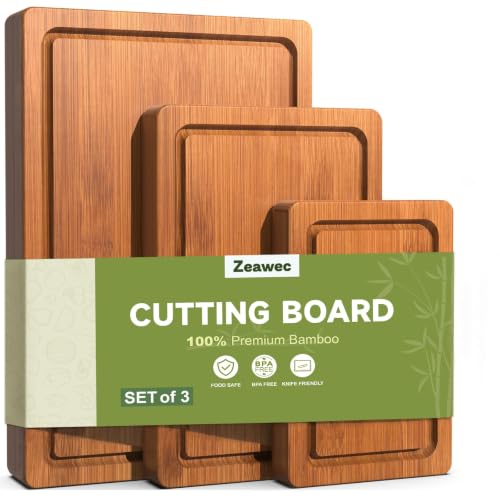
3-Piece Deep-Carbonized Bamboo Cutting Board Set
- ✓ Eco-friendly bamboo material
- ✓ Resists warping and cracking
- ✓ Knife-friendly surface
- ✕ Slightly thinner than some
- ✕ Limited color options
| Material | Carbonized bamboo, 100% organic, food-grade |
| Board Sizes | Three sizes for versatile meal prep |
| Surface Treatment | Pre-oiled, splinter-free finish |
| Durability | Resistant to cracking, splitting, warping |
| Design Features | Deep juice grooves for liquid containment |
| Chemical Resistance | Resistant to odors, free from toxic chemicals |
Ever dealt with a cutting board warping after just a few uses? That frustration stops here.
This 3-piece set is made from deep-carbonized bamboo, which feels sturdy and resilient right out of the box.
The surface has a smooth, pre-oiled finish that’s gentle on your knives, so you won’t need to sharpen as often. Plus, it’s splinter-free, making it safer and more comfortable to chop on.
I noticed how the deep juice grooves really catch all those messy liquids, saving me from endless countertop cleanup.
Handling these boards, you immediately see the eco-friendly angle. Bamboo is a sustainable resource, and this set’s organic, food-grade surface makes me feel good about preparing meals for my family.
The three sizes — large, medium, and small — cover every prep need, from big roasts to tiny garnishes.
They’re lightweight but durable, resisting cracking even after heavy use. The boards stay flat and don’t warp, which is a huge plus for everyday kitchen work.
Cleaning is a breeze — just a quick rinse or wipe, thanks to the smooth, non-porous surface.
In short, these boards combine environmental consciousness with practical features that make meal prep safer and cleaner. They’re a smart investment for anyone wanting to protect their knives and the planet at the same time.
Double-Sided Titanium Cutting Board for Kitchen, 15.4″x10.4″

- ✓ Eco-friendly dual materials
- ✓ Easy to clean
- ✓ Non-slip silicone edges
- ✕ Slightly heavier than plastic
- ✕ Higher price than basic boards
| Dimensions | 15.4 inches x 10.4 inches |
| Material | Titanium surface with matte texture finish; Wheat Straw PP for one side |
| Surface Texture | Specialized matte finish to conceal knife marks |
| Juice Groove | Deep groove for trapping liquids (on wheat straw side) |
| Built-in Features | Garlic grinder zone integrated into the wheat straw side |
| Anti-Slip Grip | Full-edge silicone encasing for stability |
Many people assume that a dual-sided cutting board might be just another plastic or wooden surface that wears down quickly and isn’t eco-friendly. But after using this Pexucalm titanium and wheat straw board, I can tell you it’s a totally different story.
The moment I flipped it over for the first time, I noticed how sturdy and lightweight it felt, thanks to the titanium side. The matte texture does a great job at hiding knife marks, so it stays looking fresh even after heavy use.
And the wheat straw side? It’s surprisingly soft, which makes chopping vegetables feel gentle on your knives.
The deep juice groove is a real game-changer. It catches all those juicy tomato or steak drippings, keeping your counter clean without any mess.
Plus, the built-in garlic grinder zone saves you from dirtying extra tools, making meal prep faster and easier.
The entire edge is wrapped in a high-grip silicone, so it stays put no matter how vigorous your chopping gets. I also loved how the titanium surface is naturally non-stick—cleaning was a breeze, just a quick wipe, and it looked brand new.
Overall, this board offers a smart, eco-friendly solution that feels premium and practical. It hits the sweet spot between durability, safety, and sustainability, all in one sleek package.
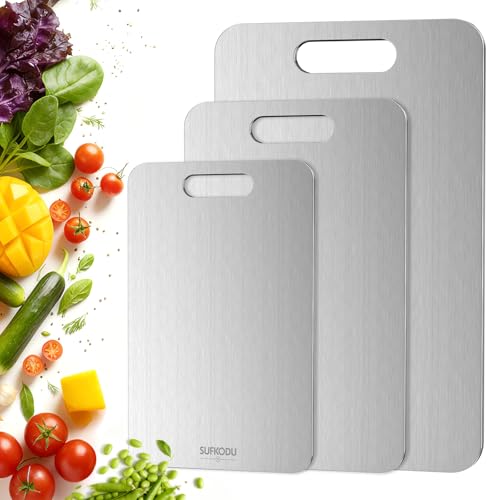
Titanium Cutting Board Set (M, L, XL) Dishwasher Safe
- ✓ Extremely durable and sturdy
- ✓ Easy to clean and dishwasher safe
- ✓ Eco-friendly and non-porous
- ✕ Slightly pricey
- ✕ Not as soft as wood
| Material | Titanium alloy, molded in one piece with brushed surface treatment |
| Dimensions | [’16 inches long x 10 inches wide’, ’13 inches long x 8 inches wide’, ‘10.5 inches long x 6.5 inches wide’] |
| Thickness | Thin design (exact thickness not specified, inferred to be lightweight for dishwasher safety) |
| Surface Finish | Brushed, non-porous, stain-resistant, odor-resistant |
| Design Features | Double-sided for raw and cooked food separation, dishwasher safe |
| Intended Use | Kitchen food preparation, suitable for both home and commercial use |
I never thought I’d be excited about a cutting board, but the moment I lifted the titanium set, I was surprised by how light yet sturdy they felt. It’s almost like handling a sleek piece of modern art—so different from the usual heavy wooden or plastic boards I’m used to.
The three different sizes cover every cutting need, from slicing herbs on the small one to prepping large veggies on the big one. The double-sided design is clever—one side for raw ingredients, the other for cooked foods—really helps keep flavors separate.
Plus, the brushed titanium surface feels smooth and non-porous, which means no staining or lingering odors.
What really caught me off guard was how easy they are to clean. Just a quick rinse or a run through the dishwasher, and they look brand new.
The thin profile saves space in the dishwasher, which is a game-changer in a busy kitchen. And because they’re made from a single piece of titanium, I don’t have to worry about cracks, warping, or bacteria hiding in scratches.
Using these, I felt more confident about food safety. No worries about absorbing moisture or developing mold like with wooden boards.
They’re perfect for everyday use or even in a professional setting. Honestly, I’ve never seen a more durable, eco-friendly cutting board that also looks this sleek and modern.
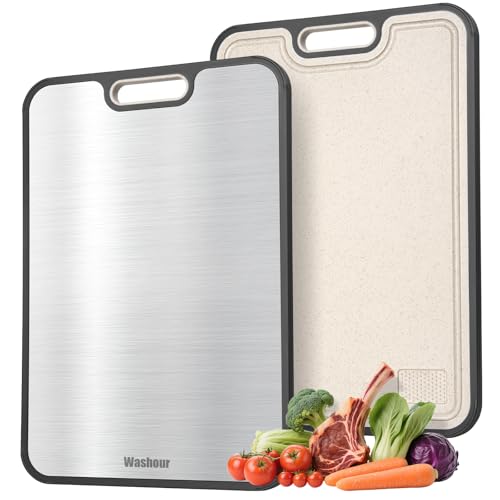
Washour Titanium Cutting Board & Mat 16″ x 11
- ✓ Eco-friendly titanium surface
- ✓ Easy to clean and maintain
- ✓ Deep juice channels and grinder
- ✕ Slightly heavier than plastic boards
- ✕ Limited color options
| Material | Food-grade titanium and BPA-free polypropylene |
| Dimensions | 16 inches x 11 inches |
| Surface Features | Dual-sided with deep juice channels and integrated grinding area |
| Durability | Scratch and stain resistant, non-porous surface |
| Design Features | Hanging hole for air drying and easy storage |
| Intended Use | Suitable for raw meat, seafood, poultry, fruits, and ready-to-eat foods |
The moment I laid my hands on the Washour Titanium Cutting Board, I immediately noticed how sleek and sturdy it feels. The dual-sided design is a game-changer—one side’s smooth titanium surface for raw meats, and the other’s BPA-free plastic for fruits and ready-to-eat foods.
It’s clear this board was built with both safety and convenience in mind.
The titanium side is impressively non-porous, so it doesn’t absorb odors or stains, making cleanup a breeze. I was able to rinse it with just water after chopping chicken, and it looked and felt as good as new.
The deep juice channels are thoughtful, catching liquids and preventing messes from spilling onto your countertop.
What really stood out is the integrated grinding area for spices. It’s perfect for prepping herbs or spices directly on the board without needing extra tools.
Plus, the textured surface prevents slipping, so you feel confident cutting even when your hands are wet or greasy.
Cleaning is super simple—just a quick rinse, and it’s ready for the next task. The scratch and stain-resistant surface means it’ll stay looking fresh over time.
The hanging hole is a smart touch, making air drying quick and easy, which helps keep it odor-free.
Whether you’re in a tiny apartment, RV, or just want a durable eco-friendly option, this board fits right in. It’s lightweight, portable, and built to last, making it a practical upgrade for any kitchen.
Honestly, it feels more like a kitchen tool than a typical cutting board—and that’s a good thing.
Titanium Kitchen Cutting Board 16”×11”

- ✓ Eco-friendly titanium surface
- ✓ Easy to clean and maintain
- ✓ Large size with added features
- ✕ Slightly expensive
- ✕ No non-slip bottom
| Material | Titanium with non-porous, stain- and odor-resistant surface |
| Dimensions | 16 inches by 11 inches |
| Double-sided Design | Yes, for separate food preparation (meat and produce) |
| Additional Features | Built-in juice groove and garlic grinding area |
| Ease of Cleaning | Rinses clean with water, with built-in hanging hole for drying and storage |
| Intended Use | Repetitive daily kitchen food preparation with emphasis on hygiene and durability |
There I am in the middle of dinner prep, chopping tomatoes and slicing chicken on a large, sleek surface that instantly catches my eye. The smooth titanium finish feels cool and sturdy under my knife, and I notice how lightweight it is despite its size.
It’s impressive how this 16”×11” board doesn’t feel bulky or awkward to handle, even when I’m juggling multiple ingredients.
The double-sided design is a game-changer. I use one side for raw meat, and flipping it over, I switch to fruits and veggies—no cross-contamination worries.
The non-porous titanium surface really resists stains and odors, so I don’t have to worry about lingering smells or residue. It wipes clean easily, just a rinse with water, and I love the built-in hanging hole for drying and storage.
What stands out most is the practicality. The juice groove catches any drips, preventing messes on my counter.
Plus, the garlic grinding area is a clever touch—no more dirtying separate bowls. The entire surface feels durable and less likely to stain over time, which is great considering how often I cook.
Overall, this cutting board simplifies my routine and feels like a smart, eco-friendly upgrade to my kitchen.
Sure, it’s a bit pricier than traditional boards, but the longevity and environmental benefits make it worth it. It’s lightweight but sturdy, making it easy to move around.
I appreciate how it keeps my workspace cleaner and my ingredients organized, even during busy cooking sessions.
What Materials Are Best for an Eco-Friendly Cutting Board?
The best materials for an eco-friendly cutting board prioritize sustainability and minimal environmental impact.
- Bamboo: Bamboo is a highly renewable resource that grows quickly and does not require pesticides or fertilizers. Its natural antibacterial properties and durability make it an excellent choice for cutting boards, while its lightweight nature adds convenience for everyday use.
- Recycled Plastic: Cutting boards made from recycled plastic are beneficial because they divert waste from landfills and reduce the need for new plastic production. They are often dishwasher safe, durable, and resistant to stains and odors, although they may not have the same aesthetic appeal as wood or bamboo.
- Wood from Sustainable Sources: Hardwoods like maple, walnut, and cherry that come from sustainably managed forests are great options for eco-friendly cutting boards. These woods are naturally durable, have self-healing properties, and can last for many years, making them a long-term investment for the environment.
- Cork: Cork is a renewable material harvested from the bark of cork oak trees without harming the tree itself. It is naturally antimicrobial and offers a soft cutting surface that is gentle on knives, making it a sustainable and functional choice for an eco-friendly cutting board.
- Glass: While not a traditional choice, glass cutting boards made from recycled materials can be eco-friendly options. They are non-porous, easy to clean, and can last a lifetime without absorbing odors or stains, although they can be more prone to chipping and are harder on knife edges.
Why Are Bamboo Cutting Boards Considered Sustainable?
Bamboo cutting boards are considered sustainable primarily because bamboo is a fast-growing grass that can be harvested without killing the plant, allowing for rapid regrowth and minimal environmental impact.
According to the World Wildlife Fund, bamboo can grow up to 35 inches in a single day, making it one of the fastest-growing plants on the planet (WWF, 2021). This rapid growth rate means that bamboo forests can be replenished much more quickly than traditional hardwood forests, which often take decades to regenerate. Furthermore, bamboo requires fewer resources—such as water and pesticides—compared to conventional wood sources, making it a more eco-friendly option.
The underlying mechanism for bamboo’s sustainability lies in its unique biological structure. Bamboo has a high tensile strength and is naturally resistant to pests and diseases, allowing it to thrive with minimal chemical intervention. As it grows, bamboo also plays a significant role in carbon sequestration, absorbing carbon dioxide and releasing oxygen at a higher rate than many trees. This characteristic contributes to its status as a more environmentally friendly choice when compared to cutting boards made from slower-growing hardwoods, which may contribute to deforestation and habitat loss.
How Does Recycled Plastic Compare to Traditional Materials?
| Aspect | Recycled Plastic | Traditional Materials |
|---|---|---|
| Environmental Impact | Reduces waste and pollution, utilizing existing plastic materials. | Often involves new resource extraction, contributing to environmental degradation. |
| Durability | Generally durable, but can vary based on the quality of recycled material. | Usually very durable, especially hardwoods, but can be subject to wear over time. |
| Cost | Often less expensive due to lower production costs and recycling processes. | Can be more costly, especially for high-quality natural materials. |
| Maintenance | Easy to clean and maintain, resistant to stains and odors. | May require regular oiling or treatment to maintain appearance and longevity. |
| Health Safety | May contain chemicals if not properly processed, but generally considered safe for food use. | Natural materials are generally safe, but some treatments may introduce chemicals. |
| Aesthetic Appeal | Available in various colors and designs, but may lack the natural look. | Offers a classic look and feel, with unique grain patterns. |
| Recyclability | Can be recycled again at the end of its life, contributing to a circular economy. | Biodegradable but not always recyclable, depending on treatment and finishes. |
What Environmental Impact Do Different Wood Types Have?
The environmental impact of different wood types used for cutting boards varies significantly based on sustainability, sourcing practices, and ecological footprint.
- Bamboo: Bamboo is often considered one of the most sustainable wood options due to its rapid growth and ability to regenerate without the need for replanting. It is a grass, not a traditional wood, which makes it highly renewable and requires less water and pesticides compared to other hardwoods.
- Hard maple is a popular choice for cutting boards because it is durable and has natural antimicrobial properties. It is sourced from North American forests, and when harvested sustainably, it can be a good environmental option, although it has a slower growth rate compared to bamboo.
- Teak: Teak is known for its water resistance and durability, making it a premium choice for cutting boards. However, its popularity has led to concerns regarding deforestation and habitat loss in Southeast Asia, so it is important to look for sustainably sourced teak that is certified by organizations like the Forest Stewardship Council (FSC).
- Cherry: Cherry wood offers a beautiful aesthetic and becomes richer in color over time, making it desirable for cutting boards. It is typically sourced from managed forests in North America, but it is essential to ensure that it comes from sustainable harvesting practices to minimize its environmental impact.
- Walnut: Walnut is favored for its strength and striking appearance, often used in high-end cutting boards. While it is a durable option, walnut trees take many years to mature, so sustainable sourcing is crucial to prevent overharvesting and to support forest conservation efforts.
- Acacia: Acacia is a tropical hardwood that is often seen as an eco-friendly option due to its fast growth and ability to thrive in poor soil conditions. However, it is important to ensure that acacia wood is sourced from responsibly managed plantations to avoid contributing to deforestation and habitat destruction.
How Can the Design and Size of a Cutting Board Affect Its Environmental Impact?
The design and size of a cutting board can significantly influence its environmental impact through factors such as material sourcing, production processes, and longevity.
- Material: The type of material used in a cutting board can determine its environmental sustainability. Bamboo is often considered a more eco-friendly option due to its rapid growth and renewability, while hardwoods like maple or walnut may have a higher environmental cost due to slower growth rates and deforestation concerns.
- Size: The size of a cutting board can affect its versatility and lifetime usage. A larger board may encourage more efficient meal preparation, reducing food waste, while a smaller board might have a shorter lifespan and require replacement more often, thus increasing its environmental footprint.
- Design Features: Cutting boards with integrated features, such as juice grooves or handles, can enhance usability and reduce the risk of spills or messes. These design elements can lead to less food waste and a more efficient cooking process, ultimately benefiting the environment by maximizing the use of ingredients.
- Manufacturing Practices: The environmental impact is also influenced by how a cutting board is manufactured. Boards made using sustainable practices, such as low-energy production techniques and non-toxic finishes, contribute less to pollution and ecological degradation compared to those made using harmful chemicals and energy-intensive methods.
- Durability and Maintenance: A well-designed, durable cutting board can last for many years, reducing the need for frequent replacements. Boards that are easy to clean and maintain can also minimize the use of harsh cleaning chemicals, further lowering their environmental impact.
What Production Processes Contribute to a Cutting Board’s Eco-Friendliness?
Several production processes contribute to a cutting board’s eco-friendliness:
- Sustainable Sourcing of Materials: Eco-friendly cutting boards are often made from sustainably sourced woods or bamboo, which are renewable resources. This means that the materials are harvested in a way that maintains the ecosystem and allows for regrowth, reducing deforestation and habitat destruction.
- Non-Toxic Adhesives and Finishes: The best eco-friendly cutting boards utilize non-toxic adhesives and finishes that do not release harmful chemicals into the environment. These products are safer for food contact and minimize the risk of contaminating food with volatile organic compounds (VOCs) often found in conventional glues.
- Energy-Efficient Manufacturing: Eco-friendly cutting boards are produced using energy-efficient methods that reduce carbon emissions. This includes using renewable energy sources in factories and optimizing production processes to minimize waste, contributing to a lower overall environmental footprint.
- Minimal Packaging: Environmentally conscious brands often utilize minimal and recyclable packaging for their cutting boards. This reduces plastic waste and encourages consumers to recycle, promoting a circular economy that supports sustainability.
- Durability and Longevity: High-quality cutting boards that are designed to last reduce the need for frequent replacements, which in turn minimizes waste. A durable cutting board made from eco-friendly materials can last for years, making it a more sustainable choice than cheaper, disposable options.
How Can You Maintain an Eco-Friendly Cutting Board to Ensure Longevity?
Maintaining an eco-friendly cutting board requires specific care practices to ensure its longevity and sustainability.
- Regular Cleaning: Clean your cutting board after each use with warm, soapy water to remove food particles and bacteria.
- Oil Treatment: Periodically apply food-grade mineral oil or beeswax to keep the wood hydrated and prevent cracking.
- Avoiding Harsh Chemicals: Steer clear of bleach and abrasive cleaners which can damage the board’s surface and compromise its eco-friendliness.
- Proper Drying: Always dry your cutting board thoroughly after washing to prevent warping and mold growth.
- Storage: Store your cutting board in a dry, cool place and avoid leaving it in direct sunlight or soaking it in water.
Regular cleaning involves using warm, soapy water and a sponge, ensuring that all food residues are removed, which helps maintain hygiene and the board’s integrity. It’s crucial to avoid soaking the board, as prolonged exposure to moisture can cause it to warp or crack.
Oil treatment is vital for wooden cutting boards, as it creates a protective barrier against moisture and food particles. Applying food-grade mineral oil or beeswax every few weeks helps keep the wood nourished and extends its lifespan by preventing drying and splitting.
Avoiding harsh chemicals and abrasive cleaners is essential because these substances can strip the wood of its natural oils and lead to deterioration. Instead, opt for natural cleaning solutions, such as vinegar and baking soda, which are safer for both the board and the environment.
Proper drying is necessary after cleaning to prevent mold and mildew growth, which can occur if moisture is trapped in the board’s surface. Wipe it down with a clean, dry cloth and allow it to air dry standing up for optimal results.
Storage is another important aspect; keeping your cutting board in a dry and cool environment away from direct sunlight prevents warping and fading. Avoid storing it in damp areas or stacked with other items that could scratch its surface.
What Certifications Should You Look for in an Environmentally Responsible Cutting Board?
When searching for the best cutting board for the environment, consider the following certifications:
- FSC Certification: The Forest Stewardship Council (FSC) certification ensures that wood products come from responsibly managed forests that provide environmental, social, and economic benefits. This certification helps consumers identify products that support sustainable forestry practices and protect biodiversity.
- Food Safety Certification: Look for cutting boards that have been certified by organizations like the National Sanitation Foundation (NSF) or the U.S. Department of Agriculture (USDA) for food safety. These certifications ensure that the materials used are safe for food contact and have undergone rigorous testing for hygiene and contamination.
- Greenguard Certification: Greenguard certification indicates that a product has been tested for low chemical emissions and contributes to healthier indoor air quality. This is particularly important for cutting boards, as they can be a source of chemical exposure if made with non-toxic materials.
- Cradle to Cradle Certification: This certification assesses a product’s sustainability across its entire lifecycle, including material health, material reutilization, renewable energy use, water stewardship, and social fairness. A Cradle to Cradle certified cutting board is designed with the environment in mind, ensuring it can be safely recycled or repurposed at the end of its life.
- ISO 14001 Certification: This international standard focuses on effective environmental management systems. A manufacturer with ISO 14001 certification demonstrates a commitment to minimizing its environmental impact, which can be reassuring when choosing a cutting board that aligns with eco-friendly practices.