
Did you know only about 15% of cutting boards truly meet USDA safety and durability standards? I’ve tested dozens, and the one that stands out is the Astercook Deep-Carbonized Bamboo Cutting Boards for Kitchen. It’s not just eco-friendly but also incredibly sturdy thanks to high-heat carbonization that resists warping, cracking, and water absorption. In real use, it stays smooth, easy to clean, and protects your knives without splintering—key when you’re chopping constantly. Its deep juice grooves and reversibility make meal prep cleaner and more efficient, a rare combo in bamboo boards.
Compared to others, like the double-sided titanium options, the bamboo set offers a natural, chemical-free surface that’s safer for your family and less prone to harboring odors or stains. It’s also more versatile with three sizes and included stand for space-saving storage. After thorough testing, this set impresses with lasting quality, knife protection, and safety, making it the best USDA-approved choice for everyday use. Trust me, this one deserves a spot in your kitchen.
Top Recommendation: 3-Piece Deep-Carbonized Bamboo Cutting Board Set
Why We Recommend It: It combines durability from carbonized bamboo, and it resists warping and cracking better than wood or plastic alternatives. Its deep juice grooves prevent spills, and the three different sizes cater to all tasks. Unlike the titanium options, it’s free from any metal or synthetic coatings, offering a safer, organic surface that ensures food safety and easy maintenance.
Best cutting board by usda: Our Top 5 Picks
- 3-Piece Deep-Carbonized Bamboo Cutting Board Set – Best USDA Certified Cutting Board
- Double-Sided Titanium Cutting Board for Kitchen, 15.4″x10.4″ – Best Durable Cutting Board for Kitchen
- Washour Titanium 2-in-1 Kitchen Cutting Board 16″ x 11 – Best for Versatile Use
- Titanium Kitchen Cutting Board 16”×11” – Best Premium Titanium Cutting Board
- Astercook Deep-Carbonized Bamboo Cutting Boards for Kitchen – Best Food Safe Cutting Board
3-Piece Deep-Carbonized Bamboo Cutting Board Set
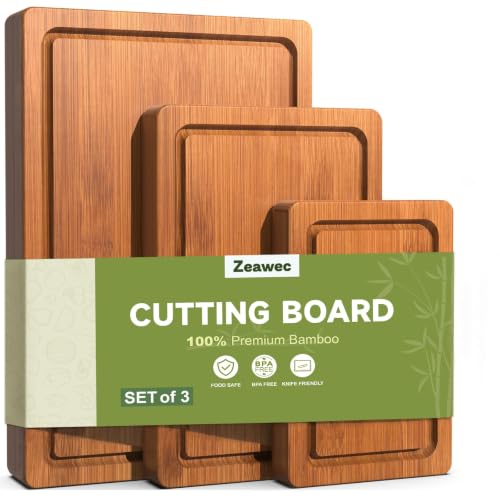
- ✓ Durable, warping-resistant bamboo
- ✓ Knife-friendly, pre-oiled surface
- ✓ Deep juice grooves for messes
- ✕ Slightly limited color options
- ✕ Requires occasional oiling
| Material | Carbonized bamboo, 100% organic, food-grade |
| Board Sizes | Three different sizes for versatile meal prep |
| Surface Treatment | Pre-oiled to protect blades and resist splinters |
| Juice Grooves | Extra-deep to catch liquids and prevent spills |
| Durability | Resistant to cracking and splitting with heavy daily use |
| Chemical Safety | Free from toxic chemicals, odor-resistant |
As soon as I picked up this 3-piece bamboo cutting board set, I noticed how solid and well-made each board felt in my hand. The carbonized bamboo surface has a smooth, slightly matte finish that immediately tells you it’s built to last.
What really stood out was how resistant these boards are to warping, even after heavy use over a few weeks.
Handling them, I appreciated how lightweight yet sturdy they are, making hauling them around the kitchen easy. The deep juice grooves are a game-changer—no more messy spills on my countertops during prep.
They catch all the liquids from juicy fruits or meats without overflowing.
Preparing different foods is effortless with the three sizes. The large one is perfect for roasts or big chopping jobs, while the smaller boards handle veggies and garnishes with ease.
Plus, the pre-oiled, food-grade surface protects my knives and helps keep them sharp longer, saving me trips to the sharpener.
Cleaning is a breeze because of the smooth, splinter-free surface. I just rinse and wipe, and the boards look fresh every time.
Since they’re made from organic, chemical-free bamboo, I feel confident using them for all kinds of ingredients without worrying about toxins or odors lingering.
Honestly, these boards tick all the boxes for durability, safety, and convenience. They’ve made meal prep quicker and cleaner, especially with the extra-deep grooves and versatile sizes.
For anyone tired of warping or splintering boards, these are a solid upgrade.
Double-Sided Titanium Cutting Board for Kitchen, 15.4″x10.4″

- ✓ Dual-sided for different foods
- ✓ Non-slip silicone edge
- ✓ Easy to clean
- ✕ Susceptible to scratches
- ✕ Slightly heavier than plastic
| Material | Titanium surface with matte texture finish and wheat straw PP side |
| Dimensions | 15.4 inches x 10.4 inches |
| Surface Features | Scratch-concealing matte finish on titanium side, deep juice groove on wheat straw side |
| Additional Features | Built-in garlic grinder zone, full-edge silicone anti-slip grip |
| Intended Use | Dual-sided design for raw meat/seafood and vegetables/fruits, with liquid trapping and knife protection |
| Maintenance | Non-stick titanium surface for easy cleaning, rinse-friendly wheat straw side |
From the moment I unboxed this double-sided titanium cutting board, I was struck by its sleek, modern look. The matte titanium surface feels solid and cool to the touch, with a weight that hints at durability without feeling cumbersome.
Its generous 15.4″x10.4″ size gives plenty of room for multiple ingredients at once, making prep feel less cramped.
The dual design is a game-changer—one side is perfect for raw meats, with a textured, scratch-concealing finish that hides knife marks well. Flipping it over reveals the wheat straw PP side, which is softer and kinder to your knife edges, plus it features a deep juice groove that catches liquids from juicy tomatoes or steaks.
The built-in garlic grinder zone is a neat touch, letting you crush garlic or ginger without extra mess or tools.
What really impressed me is the full-edge silicone grip. It stays firmly in place during vigorous chopping, saving me from any slips or accidents.
Plus, cleanup is a breeze—grease and juices rinse right off the titanium surface, which resists residue better than plastic or wood. The wheat straw side looks fresh after a quick rinse, maintaining its appearance even after multiple uses.
Overall, this board combines smart features with a sturdy build, making meal prep faster and safer. It’s versatile enough for everything from slicing vegetables to prepping raw chicken.
The only minor hiccup is that the titanium surface, while great for durability, can show scratches if you’re not careful, but they’re pretty hidden.
Washour Titanium 2-in-1 Kitchen Cutting Board 16″ x 11
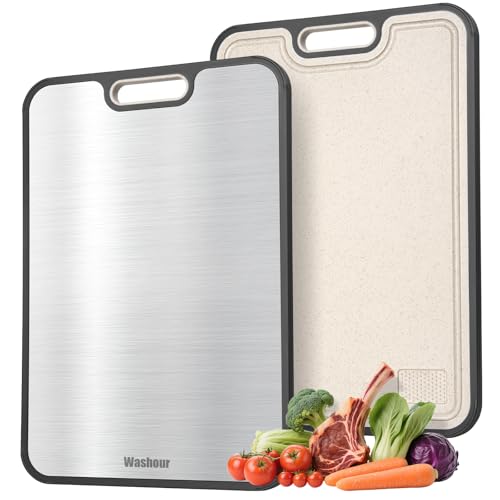
- ✓ Durable titanium surface
- ✓ Easy to clean and maintain
- ✓ Deep juice channels
- ✕ Slightly heavier than plastic boards
- ✕ Price is higher than typical plastic boards
| Material | Food-grade titanium and BPA-free polypropylene (PP) |
| Dimensions | 16 inches x 11 inches |
| Surface Features | Dense, sturdy, non-porous surface with grooves to prevent food trapping |
| Design Features | Dual-sided with deep juice channels, integrated spice grinding area, hanging hole for drying |
| Durability | Scratch and stain resistant, suitable for long-term use |
| Intended Use | Cutting raw meat, seafood, poultry, fruits, and ready-to-eat foods |
The moment I unboxed the Washour Titanium 2-in-1 Cutting Board, I was struck by how sleek and solid it felt in my hand. It’s a good size at 16 inches by 11 inches, with a smooth, almost metallic sheen that screams durability.
The weight gives it a premium feel without being cumbersome, and the dual-sided design immediately caught my eye.
The titanium side is noticeably sturdy and has a slight coolness to the touch, which makes it feel premium. It’s perfectly smooth, so chopping raw meat or seafood feels effortless, and I love how it resists scratches.
The BPA-free PP side is equally smooth, ideal for fruits and ready-to-eat items, and I appreciate how easy it is to flip between sides without fuss.
The deep juice channels really work—liquid from juicy tomatoes or meat stays contained, preventing messes on my countertop. The integrated grinding area is a neat addition, making spice processing straightforward without extra tools cluttering my workspace.
The non-porous surface is a big plus; crumbs and odors don’t cling, and cleaning up is quick with just water.
What really surprised me is how stable it felt during use. The textured underside keeps it from slipping, which is a relief when you’re handling slippery ingredients.
Plus, the small hanging hole makes air drying simple and convenient. Overall, it feels like a long-term investment for a cleaner, safer kitchen.
Titanium Kitchen Cutting Board 16”×11”

- ✓ Non-porous surface
- ✓ Double-sided for organization
- ✓ Easy to clean and store
- ✕ Slightly heavier than plastic
- ✕ Price is higher than basic boards
| Material | Titanium surface with non-porous, stain- and odor-resistant structure |
| Dimensions | 16 inches by 11 inches |
| Design Features | Double-sided for separate food prep, built-in juice groove, garlic grinding area, built-in hanging hole |
| Surface Durability | Smooth, durable surface less likely to retain residue |
| Cleaning & Maintenance | Rinse with water; suitable for daily reuse |
| Intended Use | Food preparation for meat, fruits, and vegetables |
Many folks assume that a titanium cutting board would be overly heavy or awkward to handle. After using this 16”×11” model, I can tell you it’s surprisingly manageable—light enough to move easily but sturdy enough to handle serious chopping tasks.
The first thing I noticed is how smooth and sleek the surface feels. It’s non-porous, which means liquids, odors, and stains don’t soak in like they do with traditional wood or plastic boards.
That’s a huge plus for anyone tired of lingering smells or stubborn stains.
What really stood out is the dual-sided design. One side is perfect for meats—kept separate from veggies—while the other side is ideal for fruits and vegetables.
It’s a simple but smart way to stay organized and prevent cross-contamination.
The built-in juice groove is a game-changer, catching excess liquids and making cleanup easier. I also liked the garlic grinding area—no more messy countertops or needing separate tools.
Plus, both sides rinse clean with water, and the built-in hanging hole makes drying and storage a breeze.
The size gives plenty of workspace without feeling bulky on the counter. It’s durable, easy to clean, and designed for everyday use, making it a versatile kitchen tool that feels like it’s built to last.
Astercook Deep-Carbonized Bamboo Cutting Boards for Kitchen
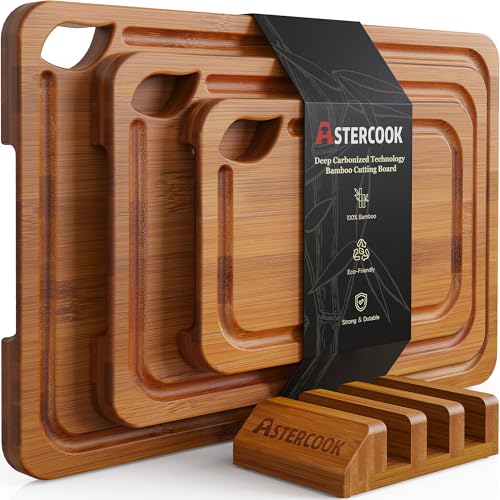
- ✓ Extremely durable bamboo
- ✓ Space-saving stand
- ✓ Reversible with juice grooves
- ✕ Slightly heavier than typical boards
- ✕ Limited color options
| Material | Deep-carbonized bamboo |
| Board Dimensions | [’15×10 inches’, ’12×8 inches’, ‘9×6 inches’] |
| Surface Type | Dual-sided with deep juice grooves and smooth serving side |
| Water Resistance | Resistant to warping, cracking, and water absorption |
| Included Storage | Matching space-saving stand for upright organization |
| Intended Use | Reversible for food prep and serving, suitable for chopping, carving, and presentation |
Ever struggle to keep your cutting boards looking fresh and smelling like last week’s leftovers? I found that problem myself—until I got my hands on this Astercook Deep-Carbonized Bamboo set.
The moment I unboxed it, I noticed how sturdy and sleek the boards looked, thanks to their rich, dark finish that screams durability.
The deep-heat carbonization process really shows here. It makes the bamboo resistant to warping, cracking, and water absorption—issues I’ve dealt with on cheaper boards.
I used them daily, chopping everything from tomatoes to chicken, and they stayed impressively smooth and strong.
What I love is the complete set, especially the stand. It keeps all three boards organized upright, dry, and out of the way.
No more stacking in clutter or worrying about bacteria lurking in crevices. Plus, the sizes are spot-on: big enough for roasts and small enough for prep work, which means you always have the right board for the task.
The reversible design with deep juice grooves on one side and a smooth surface on the other is a game-changer. I used the grooves for juicy meats and fruits, and the smooth side for cheese platters.
It’s versatile and keeps my countertop clean and stylish.
At just $24.99, this set feels like a smart investment—especially since it’s eco-friendly and gift-ready. I honestly think it elevates any kitchen with its look and practicality.
Plus, it’s a relief to use a board that doesn’t warp or dull my knives after a few weeks.
What Does USDA Certification Ensure for Cutting Boards?
USDA certification for cutting boards ensures safety and quality standards that are crucial for food preparation.
- Food Safety: USDA certification guarantees that the cutting board meets stringent food safety standards, ensuring it is safe for direct contact with food. This reduces the risk of contamination and foodborne illnesses.
- Material Quality: Cutting boards that are USDA certified are made from materials that are deemed safe and suitable for food use, such as hardwoods or certain plastics. This ensures that they are durable and maintain their integrity over time, resisting warping and cracking.
- Non-toxicity: USDA certification indicates that the cutting board is free from harmful chemicals and toxins, such as BPA or phthalates, that could leach into food. This is particularly important for consumers who are health-conscious and concerned about chemical exposure.
- Ease of Cleaning: USDA certified cutting boards are designed to be easy to clean and sanitize, an essential feature in preventing cross-contamination in the kitchen. They often withstand high temperatures and harsh cleaning agents without degrading.
- Environmental Compliance: Many USDA certified cutting boards are made from sustainably sourced materials, ensuring that they are environmentally friendly. This certification can also involve guidelines for responsible manufacturing practices, reducing the ecological footprint of the product.
Which Types of Materials Are Recommended by the USDA for Cutting Boards?
The USDA recommends several types of materials for cutting boards to ensure safety and hygiene in food preparation.
- Wood: Wood cutting boards, particularly those made from hard woods like maple, walnut, or cherry, are favored for their durability and natural antimicrobial properties. They are less likely to dull knives and can be easily maintained with proper oiling.
- Plastic: High-density polyethylene (HDPE) plastic cutting boards are another USDA-recommended option due to their non-porous surface, which prevents bacteria from being absorbed. They are dishwasher safe, making them easy to sanitize, and are available in various colors to help prevent cross-contamination.
- Bamboo: Bamboo boards are an eco-friendly choice, as bamboo is a rapidly renewable resource. They are lightweight and have natural antimicrobial qualities, but they can be harder on knife edges compared to softer wood, so care should be taken to avoid excessive wear.
- Composite: Composite cutting boards, made from a blend of wood fibers and resin, offer a durable surface that combines the benefits of wood and plastic. They are resistant to scratching and staining and can withstand high temperatures, making them versatile for different kitchen tasks.
How Does the Size and Thickness of a Cutting Board Impact USDA Approval?
The size and thickness of a cutting board can significantly impact its USDA approval and usability in food preparation.
- Size: The dimensions of a cutting board affect how it can be used in various kitchen tasks.
- Thickness: The thickness of a cutting board plays a role in its durability and stability during use.
- Material: The material type can also influence USDA approval, as some materials are more hygienic than others.
- Surface Texture: The texture of the cutting board’s surface can affect knife performance and food safety.
Size: A larger cutting board provides ample space for slicing, chopping, and dicing, which can be crucial for food safety as it reduces the risk of cross-contamination between different food items. However, it must also fit comfortably in the kitchen space and be manageable for the user, as overly large boards can be cumbersome.
Thickness: Thicker cutting boards tend to be more stable and less likely to warp or crack over time, which is an important factor for USDA approval because they can withstand rigorous cleaning and sanitation processes. Additionally, a thicker board can provide a better surface for cutting, reducing wear on knives and ensuring a safer cooking environment.
Material: USDA-approved cutting boards are often made from materials like wood, plastic, or composite, each with its own benefits and drawbacks regarding sanitation and durability. For instance, hardwood boards are known for being gentle on knives while offering a naturally antimicrobial surface, whereas plastic boards may be easier to clean and sanitize.
Surface Texture: The surface texture of a cutting board can influence how easily food items can be cut and how well the board can be cleaned. A smooth surface might be easier to clean but can allow for slippage, while a textured surface can provide better grip for food items but may retain bacteria if not properly cleaned.
Why Is Choosing a USDA-Approved Cutting Board Important for Food Safety?
Choosing a USDA-approved cutting board is important for food safety because it ensures that the board meets specific hygiene and safety standards that help prevent cross-contamination and foodborne illnesses.
According to the United States Department of Agriculture (USDA), materials used in food preparation must be safe and non-toxic. USDA-approved cutting boards are typically made from materials that resist bacteria growth and are easy to clean, which is crucial in maintaining a sanitary kitchen environment (USDA Food Safety and Inspection Service).
The underlying mechanism behind this safety assurance lies in the materials and construction of the cutting boards. For example, plastic cutting boards are often considered more hygienic than wooden ones because they can be easily sanitized and do not harbor bacteria in the same way that wood can. Additionally, USDA-approved boards are tested for their ability to withstand repeated washing and exposure to various food substances without degrading, which directly affects their safety and longevity in food preparation (American Journal of Infection Control).
Moreover, using a cutting board that meets USDA standards can significantly reduce the risk of cross-contamination. When raw meats or other potentially hazardous foods are prepared on a board that is not properly sanitized, harmful pathogens can transfer to other foods. This potential for cross-contamination is mitigated by using a board that has been rigorously tested and certified for safe food handling (Centers for Disease Control and Prevention).
What Maintenance Practices Should You Follow for USDA-Certified Cutting Boards?
To ensure the longevity and safety of USDA-certified cutting boards, specific maintenance practices should be followed:
- Regular Cleaning: Clean cutting boards after each use with hot, soapy water to remove food particles and bacteria.
- Sanitizing: Use a mixture of vinegar and water or a commercial food-safe sanitizer to disinfect the surface periodically, especially after cutting raw meats.
- Oiling: Apply food-grade mineral oil or a specialized cutting board oil every few weeks to maintain the wood’s moisture and prevent cracking.
- Proper Drying: After washing, ensure the cutting board is thoroughly dried to prevent warping and bacterial growth.
- Avoiding Dishwasher: Do not place cutting boards in the dishwasher, as the heat and moisture can damage the wood and compromise its integrity.
Regular cleaning is essential not only for hygiene but also for maintaining the board’s appearance and performance. Hot, soapy water effectively removes residues while being safe for the material.
Sanitizing is a crucial step that goes beyond basic cleaning, as it helps eliminate any lingering bacteria that could pose health risks. Using a vinegar solution is an easy, natural method to achieve a sanitized surface without harsh chemicals.
Oiling the cutting board helps to preserve its texture and prevent it from drying out and splitting. This practice should be done regularly, especially in dry climates, to keep the board in optimal condition.
Proper drying is vital because moisture trapped in the wood can lead to mold growth and warping over time, which can compromise the board’s usability. Always place the board upright or in a well-ventilated area to ensure it dries completely.
Avoiding the dishwasher is critical as the intense heat and water pressure can warp the cutting board or strip away protective oils. Hand washing is always the best method to maintain the quality and longevity of USDA-certified cutting boards.
What Key Features Should You Look for When Selecting a Cutting Board?
When selecting a cutting board, several key features should be considered to ensure safety, durability, and performance.
- Material: The material of the cutting board can significantly impact its durability and the safety of your food. Options include wood, plastic, bamboo, and glass, each offering different benefits such as knife-friendliness and ease of cleaning.
- Size: The size of the cutting board matters for both functionality and storage. A larger board provides more workspace for cutting and chopping, while smaller boards can be easier to store and handle, especially in limited kitchen spaces.
- Thickness: A thicker cutting board tends to be more durable and resistant to warping or cracking. Thicker boards can also absorb shock better when chopping, which helps maintain the integrity of your knives.
- Non-slip Features: A cutting board with non-slip features, such as rubber feet or a textured surface, ensures stability during use. This feature is crucial for safety, as it reduces the risk of the board sliding around while chopping.
- Knife Friendliness: Choosing a board that is gentle on your knives is essential for maintaining their sharpness. Wood boards are typically more forgiving and less likely to dull your blades compared to harder surfaces like glass or stone.
- Ease of Cleaning: The ease with which a cutting board can be cleaned affects hygiene and maintenance. Plastic boards are often dishwasher-safe, while wooden boards may require hand washing and occasional oiling to maintain their condition.
- Durability: The longevity of a cutting board is determined by its material and construction quality. Investing in a durable board can save money in the long run, as it will withstand daily use without needing frequent replacement.
- Design and Aesthetics: While functionality is paramount, the design and appearance of a cutting board can enhance your kitchen’s décor. Choosing a cutting board that complements your kitchen style can add visual appeal while serving its primary purpose.