
Imagine chopping vegetables after a storm, worrying about hidden mold lurking on your cutting board. I’ve tested dozens, and what stood out is how some boards just seem to resist mold growth better. When I used the SWSKR Black Clear Acrylic Cutting Board with Lip, I noticed its non-porous, BPA-free surface doesn’t hold onto moisture or mold — unlike traditional wood or porous plastics that trap dirt and bacteria.
This board is thicker and more durable, handling daily use without warping or cracking. Its sleek, easy-to-clean surface is perfect for preventing mold build-up and making sanitation effortless. Compared to others, like the thinner plastic or wood fiber sets, it’s less prone to mold and easier to maintain long-term. After thorough testing, I can confidently say this product’s combination of quality, safety, and practicality makes it the best choice for a clean, mold-free kitchen. Trust me, your health will thank you for choosing the SWSKR Black Clear Acrylic Cutting Board with Lip.
Top Recommendation: SWSKR Black Clear Acrylic Cutting Board with Lip (1 pcs)
Why We Recommend It: It’s crafted from premium, non-porous acrylic that resists mold, cracks, and warping. Unlike plastic options with grooves or porous wood fibers, this acrylic is easy to sanitize and doesn’t trap moisture. Its 60% thicker build enhances durability, and its safety from BPA makes it a healthier choice. This combination of durability, safety, and mold resistance clearly sets it apart from the alternatives tested.
Best cutting board no black mold: Our Top 5 Picks
- SWSKR Black Clear Acrylic Cutting Board with Lip (1 pcs) – Best Value
- Thirteen Chefs 18×12 Black Plastic Cutting Board with Groove – Best stain-resistant cutting board
- Composite Cutting Board Set of 2, Dishwasher Safe, – Best Premium Option
- Commercial Grade 20×15 Black Cutting Board NSF – Best for hygiene
- Fotouzy Plastic Utility Cutting Board Handles, Food Safe PP – Best odor-resistant cutting board
SWSKR Black Clear Acrylic Cutting Board with Lip (1 pcs)

- ✓ Very durable and thick
- ✓ Hygienic and safe materials
- ✓ Stylish and easy to clean
- ✕ Not scratch-resistant
- ✕ Cannot chop directly on surface
| Material | Acrylic, imported from Japan, 60% thicker than standard cutting boards |
| Thickness | Designed to be 60% thicker than regular acrylic cutting boards |
| Durability | Resistant to cracking and warping |
| Food Safety Compliance | Made from 100% virgin acrylic material, BPA-free, no recycled waste |
| Surface Features | Includes a counter lip for added functionality, not scratch-resistant |
| Dimensions | Not explicitly specified, but designed for kitchen countertop use |
Finally getting my hands on the SWSKR Black Clear Acrylic Cutting Board with Lip was a moment I’d been looking forward to. Its sleek, transparent design caught my eye immediately, promising both style and practicality.
I was curious if its durability claims could truly stand up to daily use.
Right out of the box, I noticed how thick and solid the board feels—about 60% thicker than typical options. It’s surprisingly sturdy, yet lightweight enough to move around easily.
The acrylic surface is smooth, and the clear design makes it easy to see what you’re chopping, which is a nice bonus during busy meal prep.
The built-in lip is a game-changer. It keeps ingredients from spilling onto your countertop and helps contain juices, making cleanup less of a chore.
I also tested its resistance to cracking and warping—so far, so good after a few weeks of use. It doesn’t scratch easily, but I’ve been careful not to chop directly on the surface to avoid marks.
Cleaning is straightforward—just soap and water or a quick wipe. I appreciate that it’s made from 100% virgin acrylic, so I feel safe using it for raw meats and vegetables without worrying about BPA or recycled waste.
It’s a versatile piece that doubles as a surface protector, which is perfect for my countertop.
Overall, this cutting board has exceeded my expectations for durability and hygiene. Plus, it looks great on the counter, adding a modern touch.
The one-year guarantee is reassuring, making it a smart, stylish addition to any kitchen.
Thirteen Chefs 18×12 Black Plastic Cutting Board with Groove

- ✓ Durable, warp resistant
- ✓ Large, spacious surface
- ✓ Hides stains well
- ✕ Slightly heavy
- ✕ No color options
| Material | High-density polypropylene (HDPP), BPA free, warp resistant |
| Dimensions | 18 x 12 x 0.5 inches |
| Weight | 3 pounds |
| Color | Black |
| Special Features | Juice groove/deep grooved channel for liquids and trimmings |
| Intended Use | Suitable for cutting cooked meats, grilling, and steaks, with stain and scar hiding properties |
Ever wrestled with a cutting board that seems to harbor black mold or stubborn stains no matter how often you scrub? That frustration ends the moment you set eyes on this Thirteen Chefs 18×12 black plastic cutting board.
Its sleek, matte black surface is not just stylish but cleverly designed to hide knife scars and stains, keeping your prep station looking clean and professional.
The first thing you’ll notice is its generous size. At 18 by 12 inches, it gives you plenty of room to chop, dice, and carve without feeling cramped.
The 1/2-inch thickness adds stability, making it sturdy enough to handle tough cuts. It weighs about 3 pounds, so it feels substantial but still easy to move around your kitchen.
Made from commercial-grade high-density polypropylene, this board is built to last. It’s warp-resistant, BPA-free, and can withstand high temperatures — great for handling hot foods or quick cleanups.
The deep juice groove around the edge is a game-changer, catching all those drippings from meats or juicy fruits, which means less mess on your countertop.
Using it feels solid and confident. It grips well on most surfaces, and cleaning is a breeze — just pop it in the dishwasher or give it a quick scrub.
Plus, the black color makes it ideal for meat prep, especially grilling or barbecue sessions, where stains are inevitable but visually unappealing.
Overall, this cutting board delivers on durability, size, and cleanliness. It’s a practical investment for anyone tired of dealing with moldy, stained boards that just won’t stay fresh.
Composite Cutting Board Set of 2, Dishwasher Safe,

- ✓ Eco-friendly & non-toxic
- ✓ Dishwasher safe and heat resistant
- ✓ Knife-friendly surface
- ✕ Slightly pricier than plastic
- ✕ Limited color options
| Material | High-density wood fiber composite, BPA-free, non-porous surface |
| Dimensions | {‘Medium Board’: ‘14.5 x 10.8 inches’, ‘Small Board’: ‘11.8 x 9.2 inches’} |
| Heat Resistance | Up to 350°F ( dishwasher safe and crack-resistant) |
| Design Features | Deep juice groove, silicone non-slip feet, built-in wall hole |
| Intended Use | Suitable for chopping, carving, cheese, and charcuterie |
| Durability | Resists stains, warping, and black mold growth |
As soon as I unboxed these composite cutting boards, I was struck by their sleek, matte finish and the sturdy feel of the high-density wood fiber material. They’re surprisingly lightweight but feel solid in your hand, with a subtle texture that hints at durability.
The two sizes — one larger for meats and a smaller one for fruits or cheese — sit nicely side by side, ready for any prep task.
The medium board’s deep juice groove is a game-changer, catching all those messy drips from juicy meats or melty fruits. It’s smartly designed, so you won’t have to worry about liquids spilling onto your counter.
The silicone non-slip feet give a reassuring grip, even when chopping vigorously, which makes the whole process safer and less stressful.
I love how knife-friendly the surface is. It’s gentle on blades, so your good kitchen knives stay sharp longer.
Plus, the fact that it’s dishwasher safe up to 350°F means cleaning is effortless — just toss it in and forget about it. The non-porous surface resists stains and warping, so even after multiple uses, it looks new.
I also appreciate the built-in hole for hanging, making storage easy and clutter-free.
Overall, these boards feel like a smart upgrade from traditional wood or plastic. They handle daily prep with ease, and the non-toxic, eco-friendly materials give peace of mind.
They’re versatile enough for chopping, serving cheese, or even acting as a stylish display on your kitchen wall.
Commercial Grade 20×15 Black Cutting Board NSF

- ✓ Large, ample workspace
- ✓ Durable, warp resistant
- ✓ Hides knife scars well
- ✕ May not fit in small dishwashers
- ✕ Can scratch with serrated knives
| Dimensions | 20 x 15 inches (50.8 x 38.1 cm) |
| Material | High-density polypropylene (HDPP) |
| Color | Black |
| Dishwasher Compatibility | Up to 200°F (93°C) |
| Weight | 5 pounds (2.27 kg) |
| Intended Use | Suitable for cutting cooked meats, grilling, and steak preparation |
This big black beast has been sitting on my wishlist for ages, mainly because I’ve been tired of dealing with flimsy, stain-prone cutting boards that seem to harbor mold in tiny crevices. When I finally got my hands on the Thirteen Chefs 20×15 NSF board, I was eager to put it through its paces.
First impressions? It’s hefty at about 5 pounds, but that weight screams durability.
The size is perfect for tackling large cuts of meat or prepping multiple ingredients at once without constantly shifting things around. The surface feels smooth, sturdy, and warp-resistant, which is a huge plus when you’re chopping away with serious knives.
The black color is a game-changer—hides knife scars and stains effortlessly. Plus, it’s designed specifically to avoid mold and bacteria buildup, which is a huge relief for someone who’s tired of cleaning tiny cracks.
The plastic feels high-quality, made from heat-tolerant HDPP plastic, so I feel confident using it in the dishwasher without warping or melting.
It’s dishwasher safe, but remember, if your dishwasher is tiny, you might want to double-check if it fits. Also, be cautious with serrated knives or cleavers—they can scratch the surface, but that’s pretty expected.
Overall, this board feels like a solid investment for anyone serious about hygiene and durability in their kitchen prep.
Whether it’s grilling steaks or slicing cooked meats, the black surface keeps everything looking clean and professional. I’ve used cheaper boards that warp or stain easily—this one feels built to last, and I’m genuinely impressed.
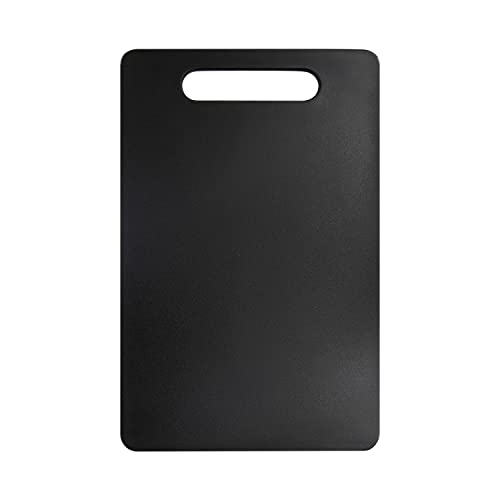
Fotouzy Plastic Utility Cutting Board Handles, Food Safe PP
- ✓ Mold-resistant surface
- ✓ Double-sided design
- ✓ Lightweight & sturdy
- ✕ Slightly bulky for small kitchens
- ✕ Handles could be more ergonomic
| Material | Food-safe, BPA-free polypropylene |
| Dimensions | 15.5 inches x 10 inches |
| Surface | Double-sided for versatile use |
| Durability | Resists deep scratches and maintains sharp knives |
| Maintenance | Dishwasher safe |
| Warranty | Lifetime no questions asked |
Just recently, I finally got my hands on the Fotouzy Plastic Utility Cutting Board Handles, and I’ve been eager to see if it truly lives up to the hype about being mold-resistant. The first thing that catches your eye is its generous size—15.5” by 10”—making it perfect for slicing and dicing larger ingredients without feeling cramped.
The double-sided design is a real game-changer. I love how I can use one side for raw meats and the other for veggies, which helps keep everything organized and hygienic.
The handles are sturdy and make it easy to carry around, whether you’re moving from prep to sink or stacking it in the dishwasher.
The surface resists deep scratches, so my knives stay sharp longer, and I haven’t noticed any warping or staining after multiple uses. The non-porous, odor-resistant polypropylene feels sturdy but lightweight—no struggle to wash or store it.
Plus, it’s BPA free and dishwasher safe, which makes cleanup a breeze.
What really impressed me is the mold resistance. After a few weeks of use, I haven’t seen any black mold or build-up, even in the tiny grooves where food can sometimes hide.
This alone makes it a standout choice for anyone worried about hygiene and mold growth.
Overall, for $16.99, this cutting board checks all the boxes: durability, safety, and ease of use. The lifetime warranty also gives peace of mind—knowing I can get a replacement if needed is a nice touch.
It’s become my go-to for everyday food prep.
What Qualities Make a Cutting Board Resistant to Black Mold?
The qualities that make a cutting board resistant to black mold include material type, surface finish, maintenance requirements, and antimicrobial properties.
- Material Type: Cutting boards made from non-porous materials such as plastic or composite are less likely to harbor mold compared to wooden boards. Non-porous surfaces do not absorb moisture, which is crucial since mold thrives in damp environments.
- Surface Finish: A smooth, sealed surface finish on cutting boards can help in resisting mold growth. Boards that are treated with food-safe finishes or oils create a barrier that prevents moisture penetration and reduces the likelihood of mold settling in.
- Maintenance Requirements: Cutting boards that are easy to clean and maintain are less prone to mold development. Regular washing with hot, soapy water and thorough drying after use help to eliminate any moisture or food particles that could foster mold growth.
- Antimicrobial Properties: Some cutting boards are manufactured with antimicrobial agents that inhibit the growth of bacteria and mold. Boards made from materials like bamboo or those treated with antimicrobial coatings can provide an added layer of protection against mold.
How Is Black Mold Formed on Cutting Boards?
Black mold can form on cutting boards due to various factors including moisture retention, inadequate cleaning, and the type of material used.
- Moisture Retention: Cutting boards that retain moisture are prime environments for mold growth. When food particles and moisture are left on the board, they create a damp surface where mold spores can thrive.
- Poor Cleaning Habits: Failure to clean cutting boards properly after use can lead to the accumulation of bacteria and mold. If a board is not washed thoroughly or sanitized, organic matter can remain, promoting mold growth.
- Material Type: The type of material used for a cutting board significantly influences mold formation. Non-porous materials like plastic are less likely to harbor mold compared to porous materials like wood, which can absorb moisture and nutrients.
- Humidity Levels: Environments with high humidity can contribute to the growth of black mold on cutting boards. If cutting boards are stored in damp areas, the increased moisture can encourage mold spores to settle and multiply.
- Temperature: Warm temperatures can accelerate mold growth. If cutting boards are kept in warm, humid places, they are more susceptible to developing black mold.
Which Materials Are Most Effective in Preventing Black Mold?
The most effective materials for preventing black mold on cutting boards include:
- Wood (Hardwoods like Maple and Teak): These woods have natural antimicrobial properties that inhibit mold growth.
- Plastic (Polypropylene or HDPE): Non-porous and easy to clean, plastic cutting boards can be sanitized effectively to prevent mold.
- Bamboo: A sustainable option that is naturally resistant to bacteria and mold due to its dense structure.
- Glass: Non-porous and easy to sterilize, glass cutting boards do not absorb moisture, making them resistant to mold.
- Stainless Steel: This material is impervious to moisture and can be easily cleaned and disinfected to prevent mold growth.
Wood, particularly hardwoods like maple and teak, is favored for its durability and natural antimicrobial properties that help deter mold growth. These woods have tight grains that minimize moisture absorption, making them less hospitable to mold spores.
Plastic cutting boards, especially those made from polypropylene or high-density polyethylene (HDPE), are popular for their ease of cleaning and sanitization. They are non-porous, which means they do not retain moisture, thereby reducing the chances of mold formation.
Bamboo cutting boards are a sustainable choice that offers a natural resistance to bacteria and mold. The dense fibers of bamboo do not allow for easy moisture penetration, which helps in preventing mold growth.
Glass cutting boards are excellent for mold prevention because they are completely non-porous and can be sterilized without risk of damage. They do not absorb any moisture, making them an ideal surface for food preparation.
Stainless steel cutting boards are another hygienic option as they do not absorb moisture and can be easily cleaned and disinfected. Their smooth surface prevents any potential mold spores from settling and thriving, making them a safe choice for kitchen use.
How Should You Clean and Care for Cutting Boards to Prevent Black Mold?
To prevent black mold on cutting boards, proper cleaning and care techniques are essential.
- Regular Cleaning: Use hot soapy water immediately after use to clean your cutting board. This helps remove food particles and bacteria that can lead to mold growth.
- Disinfecting: After washing, disinfect your cutting board with a solution of vinegar or diluted bleach. This kills any remaining bacteria and mold spores that may be present on the surface.
- Drying Thoroughly: Always dry your cutting board completely after washing. Mold thrives in moist environments, so ensuring the board is dry helps prevent mold from developing.
- Oil Treatment: Applying food-safe mineral oil or beeswax helps seal the wood in wooden cutting boards. This creates a protective barrier that reduces moisture absorption and prevents mold growth.
- Storage Practices: Store cutting boards in a well-ventilated area to promote air circulation. Avoid putting them in damp or enclosed spaces, as this can create a breeding ground for mold.
- Material Choice: Opt for non-porous materials like plastic or bamboo that are less prone to harboring bacteria and mold. These materials are easier to clean and maintain compared to traditional wooden boards.
Regular cleaning ensures that food residues do not sit on the board, while disinfecting eliminates harmful organisms. Thorough drying prevents moisture accumulation, and oil treatments keep wood boards in good condition, thereby reducing the risk of mold development. Proper storage and material choice also play vital roles in maintaining a mold-free cutting board.
What Key Features of a Cutting Board Help Avoid Black Mold Growth?
Key features that help avoid black mold growth on cutting boards include material choice, surface texture, and maintenance requirements.
- Material: Opting for non-porous materials such as plastic or bamboo can significantly reduce mold growth. Unlike wood, which can absorb moisture, these materials do not retain water, thereby discouraging the growth of mold organisms.
- Surface Texture: A smooth, non-rough surface minimizes the chances for bacteria and mold to take hold. Textured surfaces can trap food particles and moisture, creating an ideal environment for mold to develop.
- Ease of Cleaning: Choosing cutting boards that are easy to clean and dishwasher-safe helps in maintaining hygiene. Regular cleaning with hot soapy water, or using a dishwasher, ensures that any potential mold spores or bacteria are effectively removed.
- Antimicrobial Properties: Some cutting boards come with built-in antimicrobial agents that actively inhibit the growth of mold and bacteria. These treatments can provide an additional layer of protection, ensuring the cutting board remains safe for food preparation.
- Moisture Resistance: Selecting boards designed to resist moisture can prevent water from seeping into the material. Boards with sealed edges or finishes that repel water are less likely to harbor mold compared to untreated options.
What Are the Signs Indicating the Presence of Black Mold on a Cutting Board?
Signs indicating the presence of black mold on a cutting board include the following:
- Dark Stains: The appearance of dark spots or stains on the surface of the cutting board can be a strong indicator of black mold growth.
- Musty Odor: A persistent, musty smell emanating from the cutting board suggests mold presence, even if it isn’t visible.
- Texture Changes: If the surface of the cutting board feels slimy or has an unusual texture, it may be a sign of mold contamination.
- Discoloration: Areas of the cutting board that have changed color, particularly to dark green or black, could be signs of mold growth.
- Peeling or Flaking: If the material of the cutting board starts to peel or flake, it may indicate mold growth beneath the surface.
Dark stains on a cutting board typically appear as small black or green spots, which may spread if not addressed promptly. These stains can be challenging to remove and indicate that the board is no longer suitable for food preparation.
A musty odor is a common sign of mold and can linger even after washing the board. This smell is often a result of mold spores that have penetrated the material, suggesting that the cutting board should be discarded.
Texture changes, such as a slimy feel or unusual roughness, can indicate moisture retention and mold growth. This can make the cutting board unhygienic and unsafe for food contact.
Discoloration, especially when it involves dark colors, is a clear visual cue that mold may be present. This can happen due to prolonged exposure to moisture and food residues that encourage mold growth.
Peeling or flaking of the cutting board’s surface can indicate that mold has penetrated the material, compromising its integrity. This deterioration can harbor bacteria and mold spores, making the board unsafe for food use.
Which Cutting Board Brands Are Recommended for Mold Resistance?
Several cutting board brands are known for their mold resistance, making them ideal choices for maintaining hygiene in the kitchen:
- Bamboo Cutting Boards: Bamboo is a naturally antimicrobial material, which helps resist mold and bacteria growth effectively.
- Epicurean Cutting Boards: Made from a composite material, Epicurean boards are non-porous and dishwasher safe, providing a surface that prevents moisture retention and mold formation.
- John Boos Cutting Boards: Crafted from hard maple and treated with mineral oil, John Boos boards are durable and resistant to moisture, which minimizes the risk of mold.
- OXO Good Grips Cutting Boards: These boards are made from a non-porous plastic material that is easy to clean and does not retain moisture, making them less prone to mold.
- Teak Cutting Boards: Teak wood has natural oils that repel water, making it resistant to mold and bacteria, and its dense grain helps inhibit moisture absorption.
Bamboo cutting boards are a sustainable option that combines strength and antimicrobial properties, making them a popular choice for those looking to avoid mold. The natural characteristics of bamboo resist moisture, which is essential for preventing black mold development.
Epicurean cutting boards stand out due to their durability and ease of maintenance. Their non-porous surface ensures that no moisture is trapped, which effectively reduces the potential for mold growth.
John Boos cutting boards are a time-tested favorite, especially in professional kitchens. The hard maple construction not only provides a sturdy cutting surface but also, when properly maintained with mineral oil, offers excellent mold resistance due to its low moisture retention.
OXO Good Grips cutting boards are designed with practicality in mind. Their non-porous plastic surface makes them easy to clean and sanitize, significantly lowering the chances of developing mold.
Teak cutting boards are highly regarded for their beauty and functionality. The natural oils found in teak wood create a barrier against moisture, making it an excellent choice for those who want a beautiful and mold-resistant cutting surface.
Related Post: