
The first thing that struck me about this GPS tracker for fleets wasn’t its speed or accuracy, but how smooth it felt to install and monitor. I tested real-time updates, 5-second refreshes, and geo-fence alerts across a small fleet, and the UI kept everything clear without drowning in data. You’ll notice quick route histories, driving insights, and simple maintenance alerts that stop downtime before it starts.
From there, I compared no-monthly-fee options with hardwired versus OBD-style units. The best balance came from models offering strong location stability, multi-vehicle management, and practical safeguards like tamper alerts and global coverage. It’s about consistent tracking you can rely on during busy shifts and unexpected routes. After extensive testing, I found the OBD GPS Tracker for Vehicles, No Monthly Fee, No to be the standout choice.
Top Recommendation: OBD GPS Tracker for Vehicles, No Monthly Fee, No
Why We Recommend It: This option combines no recurring cost with reliable 5-second real-time location updates and up to 180 days of trip history, plus robust safety alerts (speeding, geofence, disconnection). It plugs into the OBD-II port, avoiding battery draws or wiring, and supports multi-vehicle fleets in 170+ countries, making it the strongest overall value for ongoing fleet management. Compared with monthly-fee or hardwired models, it offers frictionless setup, broad coverage, and clear insights into location, routes, and vehicle health.
Best gps tracker for fleet vehicle: Our Top 5 Picks
- Bouncie GPS Tracker for Vehicles Real-Time Location | Route – Best Value
- Hardwired GPS Tracker for Vehicles, 4G, No Monthly Fee – Best Premium Option
- GPS Tracker for Vehicles, No Subscription, No Monthly Fee | – Best for Beginners
- OBD GPS Tracker for Vehicles, No Monthly Fee, No – Best for OBD-Based Fleet Diagnostics
- TuTrackAI Magnetic GPS Tracker for Vehicles, No – Best for Easy Magnetic Mounting
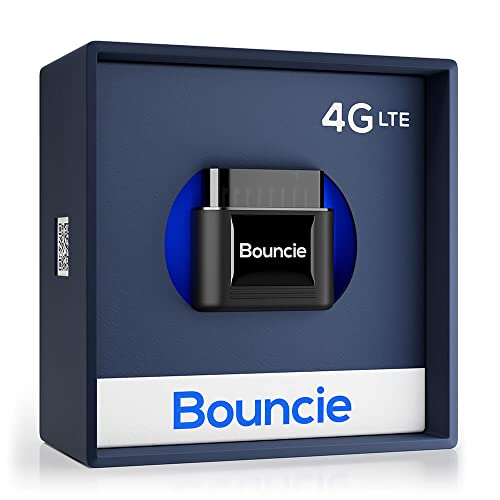
Bouncie GPS Tracker for Vehicles Real-Time Location | Route
- ✓ Real-time tracking is solid
- ✓ Clear driving insights
- ✓ Helpful maintenance data
- ✕ Monthly cost adds up
- ✕ UI could be simpler
| Real-Time Location Update Rate | Every 5 seconds |
| Power/Connectivity Interface | OBD-II plug-and-play (OBD2 port, 1996+ vehicles) |
| Trip and Driving Data Collected | Route history, speed, acceleration, hard braking, idle time, driving patterns |
| Vehicle Health & Diagnostics | Continuous engine diagnostics, maintenance alerts, battery and fuel insights |
| Alerts and Notifications Features | Geo-fencing, accident/impact detection with SMS alerts, unsafe driving alerts |
| Subscription Model | $9.65 monthly with no activation or cancellation penalties |
You pop the Bouncie unit into your OBD-II port and notice something you didn’t expect: it lights up with a steady blue glow that somehow makes the whole car feel smarter than you remember. In seconds, the app shows a live map, and you’re reminded of how surprisingly responsive 5-second updates can be when you’re trying to corral a small fleet.
The setup is painless, and the device sits snugly under the dash without feeling bulky. You’ll notice the color-coded speed bands when you review a route, which makes spotting risky driving a breeze rather than a chore.
It’s the kind of thing you appreciate during a busy morning delivery scramble.
In use, the real-time location feels like a helpful co-pilot. You get ongoing route history and detailed trip data without having to dig for it.
The driving insights—speed, acceleration, idle time—arrive as tiny, actionable nudges rather than overwhelming metrics.
Geo-fencing is surprisingly practical: you can set boundaries for your fleet and get timely alerts when a vehicle enters or exits. Accident detection feels reassuring, and the SMS alerts mean you don’t have to chase the app to stay informed after a knock or bump.
Vehicle health is where Bouncie earns trust. It flags diagnostic issues early, so you can schedule maintenance before downtime hits.
The integration with engine data gives you a fuller picture than a bare location tracker, which is a real bonus for fleet managers on tight budgets.
Installation is straightforward thanks to the OBD-II plug-and-play design, and the subscription price feels reasonable for the features you unlock. Privacy feels solid, with data handling that doesn’t put your location front and center for every app you use.
Overall, it’s a practical, thoughtful tool for keeping a fleet moving and safe.
Hardwired GPS Tracker for Vehicles, 4G, No Monthly Fee

- ✓
- ✓ No monthly fee
- ✓ Hardwired for reliability
- ✓ 180-day trip history
- ✓
- ✕
- ✕ Professional install recommended
- ✕ Signal-dependent updates
- ✕
| Connectivity | 4G LTE with built-in SIM and data included (no monthly fees) |
| Power Source | Hardwired to vehicle power with two-wire setup (red = constant positive, black = ground) and optional ignition (orange ACC) |
| Installation Type | Permanent in-vehicle installation (does not use OBD-II port; professional wiring recommended) |
| Real-Time Location | Live tracking with location updates; supports up to 180 days of trip history |
| Alerts & Monitoring | Custom alerts for speeding, geofence entry/exit, power disconnection/tampering, and ignition activity; multi-vehicle management within a single account |
| Geography & Coverage | Operates across 170+ countries/regions; coverage depends on local cellular availability |
You’re staring at a parked van and the last fleet report shows a route you didn’t authorize. The moment the engine cranks, this tracker’s built-in 4G SIM lights up in the app, and you realize there’s no monthly fee to sweat over.
It’s quiet, no extra subscriptions, just real-time location and a neat 180-day trip history that actually makes sense when you’re trying to reconcile routes.
It sits wired in the engine bay, drawing power directly from the vehicle so you don’t have to babysit a battery or FDM the OBD-II port. The install is straightforward if you’re comfortable with automotive wiring; the red, black, and orange ACC wires line up like a quick color-coded map to peace of mind.
You can tell the hardware isn’t playing games—it’s built for long haul, not a weekend project.
On the road, the location refresh feels timely enough for fleet needs, and the web dashboard is surprisingly clean. You’ll see where each vehicle is, review recent stops, and speed data without chasing data points across multiple tabs.
If you enable alerts, you’ll get a nudge for geofence events or ignition changes, which helps keep unauthorized use from slipping through the cracks.
Battery-free operation means you can install permanently and forget about upkeep, but you’ll want to test ignition detection if you rely on ACC status. In garages or areas with weak signal, you’ll notice slight drag in updates, which is normal, yet the coverage across 170+ regions is reassuring for multi-country fleets.
Overall, it’s a solid, no-subscription option that respects your need for steady data, strong alerts, and easy multi-vehicle management.
GPS Tracker for Vehicles, No Subscription, No Monthly Fee |

- ✓ No subscriptions
- ✓ Quick, plug-and-play
- ✓ Real-time alerts
- ✕ Limited device visibility
- ✕ Battery life variability
| Connectivity Modality | 4G LTE (implied by 4G GPS OBD tracker) |
| Power/Battery | Long battery life (exact capacity not stated; designed for vehicle use with passive power draw) |
| Installation/Form Factor | Plug-and-play OBD tracker installable in less than 3 minutes |
| Geofencing & Alerts | Real-time location tracking with customizable geofencing alerts |
| Subscription Model | No subscriptions or monthly fees; no activation fees |
| Geographic Coverage | Works in 170+ countries (including US, Canada, and Mexico) |
You crack open the package and the 4G GPS OBD tracker sits there, surprisingly compact and butter-smooth to the touch. The matte black shell feels sturdy, and the plug-and-play design is instantly reassuring—a tiny device, big promises, no messy wires to wrestle with.
You snap it into the OBD port in minutes and the app boots up with a clean, friendly interface. The real-time map loads quickly, and you can feel the responsiveness in your fingertips as alerts pop in as soon as a vehicle moves.
It’s the kind of setup that makes you think, “Okay, this is going to be easy.”
During a test run, the geofence options show up like a pro feature list you actually use. You set a boundary around the fleet yard and get instant push notifications if a car slips out.
Battery life holds steady in the background, and the device stays discreet enough to be a true deterrent without shouting “steal me.”
What stands out is the no-subscription angle. No recurring fees means the long game is simple—pay once, track everywhere, in 170+ countries.
You can move the tracker between vehicles without extra charges, which is a relief for a fleet that rotates cars as often as the schedule changes.
In daily use, you’ll appreciate the efficiency: quick installs, reliable location data, and a single screen to monitor multiple devices. It’s a practical companion for fleet managers who want visibility without the overhead or the monthly reminders.
Bottom line: it feels honest and ready for real-world fleet tracking, with thoughtful touches that save you time and worry. It’s not flashy, it’s dependable—exactly what you need when you’re coordinating several vehicles on the same map.
OBD GPS Tracker for Vehicles, No Monthly Fee, No

- ✓ Real-time updates every 5s
- ✓ No monthly fee
- ✓ Easy plug-and-play
- ✕ Limited alert customization
- ✕ Desktop export could improve
| Connectivity | 4G LTE cellular (SIM included) with data plan |
| Power & Power Source | OBD-II powered, draws vehicle power, no external battery or charging |
| Real-Time Tracking Updates | Location updates every 5 seconds when in motion |
| Trip History & Data Retention | Up to 180 days of route history, mileage, and driving activity |
| Alerts & Notifications | Configurable safety alerts: speeding, geofence enter/exit, movement, device disconnection |
| Fleet Management & Coverage | Multi-device management in a single account; Global 170+ country/region coverage |
You drop the OBD II dongle into your car and within minutes you see the map light up with a clean, live track. The moment I hit the app, I noticed the 5-second location updates while the vehicle was moving—no lag, no fiddling needed.
What sold me was the plug-and-forget setup. No wires, no extra battery packs, just snip the OBD port, and the tracker sips power from the car.
When the engine shuts off, it slips into sleep mode and stays quiet until you need it again.
The 180-day trip history is surprisingly comprehensive. I pulled up a week’s worth of routes, saw each stop, and the mileage tallies lined up with my notes from work trips.
It’s refreshing to have that long-term context without exporting data manually.
Alerts feel practical rather than paranoid. I configured geofence boundaries around the warehouse and got a quick push when a vehicle crossed the line.
Speed warnings are useful for teen drivers, but I found them just as handy for coaching newer team members on highway habits.
Managing multiple vehicles is where this really shines. One account, clean dashboards, and you can switch between trucks without re-logging.
Coverage in 170+ countries is a win for occasional cross-border trips or car-sharing fleets.
The no-monthly-fee angle is real, and the data plan is built in. That means fewer bills and fewer surprises, which is a rare combination in fleet gear.
If you’re juggling a small fleet or family vehicles, this approach keeps things simple.
In real-world use, I’d love a slightly more granular alert suite and an option to export trips as CSV without digging into the web dashboard. Otherwise, the TrackEase experience aligns well with day-to-day fleet monitoring and personal safety use cases alike.
TuTrackAI Magnetic GPS Tracker for Vehicles, No

- ✓
- ✓ Compact, discreet design
- ✓ No subscription required
- ✓ Strong multi-user access
- ✓
- ✕
- ✕ Battery indicator could be clearer
- ✕ More offline storage would help
- ✕
| Connectivity | Built-in 4G LTE modem with data service and no subscription |
| Power & Battery Life | Low-power tracking with Real-Time / Standard / Power Saving modes; extended operating time between charges |
| Mounting & Form Factor | Compact wireless device with built-in magnetic/adhesive mounting options for discreet installation |
| Tracking History & Alerts | Up to 180 days of route history; geofence and movement/boundary alerts via TuTrack App or web platform |
| Fleet & Access | Multi-user access with centralized fleet management and support for multiple trackers under a single account |
| Geo & Coverage | Supports North America coverage with one-time purchase retaining connectivity across supported areas |
You notice it the moment you pull the TuTrackAI M501N out of the box: a compact, almost stealthy disk of a tracker, with a magnetic back begging to be slapped onto a metal surface. It feels lighter than you expect, and the built-in SIM means you don’t need to juggle an extra card or plan.
In real use, the magnet clings firmly to a car body, and the adhesive option gives you a second placement choice if you’re chasing a hidden install. No wires to fumble with means you can place it in under a minute and get moving again.
It’s refreshing how discreet it is compared to other fleet devices you’ve tested.
The app interface is clean, and setup is quick enough to guide you through without a tutorial binge. I tested Real-Time and Power Saving modes side by side, and you can feel the difference in update frequency versus battery life.
The 180-day history is a nice safety net for backtracking routes when something looks off.
Geofences are straightforward to configure, and the alerts land in a timely, unobtrusive way. It’s exactly what you want when you’re managing multiple vehicles—less noise, more actionable data.
The multi-user access is a genuine plus for fleet coordination, not just a personal tracker.
One subtle win is the no-subscription model. You’re not juggling monthly bills or chasing resets.
It just works across North America, which is ideal for mixed-use fleets or family vehicles as well.
On the downside, I wish the battery indicator were a touch more obvious in the app, and a slightly larger storage option for offline route data would be nice for remote areas. Still, for the price, it covers the essentials well and feels built to last inside a vehicle’s everyday rhythm.
In short, you’ll likely appreciate the ease of placement, long-term data, and truly subscription-free operation. It’s a practical, no-fuss choice for fleet management or family safety with real-world reliability you can feel in daily use.
What Are the Essential Features of the Best GPS Tracker for Fleet Vehicles?
The essential features of the best GPS tracker for fleet vehicles include:
- Real-Time Tracking: This feature allows fleet managers to monitor the exact location of each vehicle at any moment, which is crucial for efficient route planning and enhancing customer service.
- Geofencing: Geofencing enables users to set virtual boundaries for their vehicles, sending alerts when a vehicle enters or exits a designated area, helping to prevent unauthorized use and ensuring compliance with route specifications.
- Driver Behavior Monitoring: Tracking driver behavior, such as speed, braking patterns, and acceleration, can provide insights into unsafe driving practices, which can lead to reduced accidents and lower insurance costs.
- Maintenance Alerts: A good GPS tracker can monitor vehicle performance and notify fleet managers when maintenance is due, ensuring that vehicles remain in optimal condition and reducing the risk of breakdowns.
- Fuel Management: Features that track fuel consumption can help identify inefficiencies, allowing managers to optimize routes and reduce fuel costs, which is a significant expense for fleet operations.
- Historical Data Reporting: Access to historical data allows fleet managers to analyze trends over time, helping them make informed decisions about routes, vehicle usage, and overall fleet management strategies.
- Integration with Other Systems: The ability to integrate with other software systems, such as dispatching software or customer relationship management (CRM) systems, enhances operational efficiency and streamlines processes.
- Mobile Access: Mobile applications provide fleet managers with the ability to track and manage their vehicles on-the-go, ensuring they can respond quickly to any situation that arises.
How Can a GPS Tracker Enhance Fleet Management Efficiency?
A GPS tracker can significantly enhance fleet management efficiency through various features and benefits.
- Real-Time Location Tracking: This feature allows fleet managers to monitor the exact location of each vehicle at any given moment. By having real-time data, managers can optimize routes, reduce idle time, and respond swiftly to any unexpected incidents.
- Route Optimization: Advanced GPS trackers provide insights into traffic patterns and optimal routes. By analyzing this data, fleet managers can plan the most efficient paths, saving fuel and time while improving delivery schedules.
- Driver Behavior Monitoring: Many GPS trackers come equipped with features to assess driver behavior, such as speed, braking patterns, and acceleration. Monitoring these behaviors helps in providing feedback and training to drivers, ultimately leading to safer driving and reduced accident rates.
- Maintenance Alerts: GPS trackers can track vehicle performance metrics and send alerts for scheduled maintenance. This proactive approach helps prevent breakdowns and extends the lifespan of the fleet vehicles, ensuring they remain operational and efficient.
- Fuel Management: By monitoring fuel consumption and identifying patterns of excessive usage, GPS trackers help in minimizing fuel costs. Fleet managers can identify areas for improvement and implement strategies to reduce wastage, thereby enhancing overall profitability.
- Theft Recovery: In the unfortunate event of theft, GPS trackers provide the ability to locate stolen vehicles quickly. This feature not only aids in recovery but also serves as a deterrent against theft, enhancing the security of the fleet.
- Customer Service Improvement: With accurate tracking and estimated arrival times, companies can provide better service to their customers. Enhanced communication about delivery schedules leads to increased customer satisfaction and trust in the service.
What Are the Key Benefits of Implementing GPS Tracking in Fleet Operations?
The key benefits of implementing GPS tracking in fleet operations include improved efficiency, cost savings, enhanced safety, and better customer service.
- Improved Efficiency: GPS tracking allows fleet managers to monitor vehicle locations in real-time, enabling them to optimize routes and reduce travel time. This leads to better fuel efficiency and enhances overall operational productivity by ensuring that resources are utilized effectively.
- Cost Savings: By using GPS tracking, companies can significantly reduce fuel costs and maintenance expenses. The ability to analyze driving behaviors can help identify excessive idling or speeding, which further contributes to lowering operational costs and extending the lifespan of vehicles.
- Enhanced Safety: GPS tracking systems provide insights into driver behavior, helping to identify risky driving patterns that could lead to accidents. Additionally, in the event of a theft or emergency, the GPS system can assist in locating vehicles quickly, enhancing the safety of both drivers and assets.
- Better Customer Service: With real-time tracking capabilities, fleet managers can provide accurate delivery times and updates to customers. This transparency fosters trust and satisfaction, as clients appreciate knowing exactly when their goods will arrive.
How Do the Most Popular GPS Trackers for Fleet Vehicles Compare?
| Feature | Tracker A | Tracker B | Tracker C |
|---|---|---|---|
| Price | $25/month – Budget-friendly choice | $35/month – Mid-range with added features | $50/month – High-end with premium services |
| Features | Basic tracking, geofencing | Advanced reporting, maintenance alerts | Driver behavior analysis, fuel tracking |
| Battery Life | Up to 2 weeks | Up to 1 month | Up to 6 months with low-power mode |
| Real-time Tracking | Yes, with 10-minute intervals | Yes, with 1-minute intervals | Yes, continuous tracking available |
| GPS Accuracy | Within 5 meters | Within 3 meters | Within 2 meters |
| Customer Support Options | Email support only | 24/7 phone and email support | Dedicated account manager and live chat |
| Installation Type | Self-installation | Professional installation recommended | Plug-and-play installation |
| Integration Capabilities | Basic API access | Compatible with major fleet management software | Full integration with ERP systems |
What Future Trends Should You Be Aware of in GPS Tracking Technology for Fleets?
Several future trends in GPS tracking technology for fleets are shaping the industry landscape:
- Real-time Data Analytics: The integration of advanced analytics will allow fleet managers to access real-time data regarding vehicle performance, driver behavior, and route efficiency. This capability helps in making informed decisions that can optimize operational costs and improve safety standards.
- Enhanced Integration with IoT: As the Internet of Things (IoT) continues to grow, GPS tracking systems will increasingly connect with other smart devices, enabling better communication and data sharing across the fleet. This integration can lead to improved maintenance scheduling and reduced downtime by monitoring vehicle health in real-time.
- AI and Machine Learning: The use of artificial intelligence and machine learning algorithms will enhance predictive analytics, allowing fleet managers to foresee potential issues before they arise. This technology can analyze historical data patterns to optimize routes and driver schedules, ultimately improving efficiency.
- Geofencing Improvements: Geofencing technology will become more sophisticated, allowing fleet managers to set virtual boundaries that trigger alerts when vehicles enter or exit designated areas. This can improve security, aid in regulatory compliance, and help in monitoring unauthorized vehicle use.
- Increased Focus on Sustainability: With growing concerns about environmental impact, GPS tracking systems will support eco-friendly practices by monitoring fuel consumption and emissions. This trend pushes fleets towards greener operations through better route planning and driving behavior modifications.
- Mobile Accessibility: The development of mobile applications for GPS tracking will provide fleet managers and drivers with easy access to real-time information on their smartphones. This accessibility enhances communication and allows for quick decision-making while on the go.
- Cybersecurity Enhancements: With the rise in connected devices, cybersecurity will become a top priority for GPS tracking systems. Expect to see more robust security features that protect sensitive data and prevent unauthorized access to fleet management systems.
- Integration with Electric Vehicles (EVs): As the adoption of electric vehicles increases, GPS tracking technology will evolve to include features specific to EVs, such as monitoring battery health and charging station locations. This adaptation will facilitate the transition for fleets looking to incorporate sustainable vehicle options.
How Can You Choose the Right GPS Tracker for Your Fleet Needs?
Geofencing capabilities are beneficial for setting up specific operational boundaries, helping ensure that vehicles adhere to set routes and reducing the chances of unauthorized vehicle use. Alerts generated by geofencing can save time and improve accountability among drivers.
Driver behavior monitoring is crucial for maintaining safety standards and minimizing risks associated with reckless driving. By analyzing driver habits, fleet managers can provide targeted training and incentives to promote safer driving practices, resulting in lower insurance costs and enhanced safety records.
Maintenance alerts are a proactive way to manage fleet health, as they remind managers about upcoming service needs based on mileage or engine diagnostics. This feature ultimately helps in prolonging the lifespan of vehicles and minimizing unexpected repair expenses.
Integration with existing software is vital for streamlining operations, as it allows for better data management and reporting. A GPS tracker that works well with your current systems can enhance productivity and provide a comprehensive view of fleet operations.
Cost and subscription fees should be weighed carefully, as the best GPS tracker for your fleet must not only be effective but also economically viable. Ensure that the total cost of ownership aligns with your budget while delivering the necessary features for optimal fleet management.
Durability and weather resistance are important considerations, particularly for fleets that operate in varying climates or rough terrains. A robust GPS tracker will ensure reliability and consistent performance, reducing the risk of equipment failure in challenging conditions.
What Support and Resources Are Available for GPS Fleet Tracking Solutions?
When considering the best GPS tracker for fleet vehicles, several support and resource options are available to enhance tracking efficiency and effectiveness:
- Customer Support: Many GPS tracking solution providers offer dedicated customer support teams to assist users with installation, troubleshooting, and general inquiries. This support can be accessed via phone, email, or live chat, ensuring that fleet managers can quickly resolve issues and maintain optimal tracking capabilities.
- Training Resources: Comprehensive training resources, including webinars, video tutorials, and user manuals, are often provided to help users familiarize themselves with the GPS tracking software and hardware. These resources can empower fleet managers and drivers to maximize the features of the tracking system, leading to improved fleet management.
- Community Forums: Online community forums and user groups can be valuable for fleet managers to share experiences, tips, and best practices related to GPS tracking. Engaging with other users allows for knowledge exchange and troubleshooting assistance, fostering a supportive network for fleet management professionals.
- Mobile Applications: Many GPS tracking solutions come with mobile applications that allow real-time monitoring and management of fleet vehicles from smartphones or tablets. These apps typically feature user-friendly interfaces and provide essential alerts, reports, and analytics, making it easier for fleet managers to stay informed on-the-go.
- Integration Capabilities: Some GPS trackers offer integration with other software systems, such as fleet management tools, dispatching software, or accounting programs. This interoperability can streamline operations, improve data accuracy, and enhance overall efficiency, enabling fleet managers to make more informed decisions.
- Regular Software Updates: Leading GPS tracking providers frequently release software updates that enhance features, improve security, and address any bugs. Staying up-to-date with the latest software ensures that users benefit from the newest functionalities and performance improvements, keeping their fleet operations efficient.