
Contrary to what manufacturers claim about entry-level GPS, our testing revealed that display size and rugged reliability matter more than glossy features. I rode with every option and paid attention to glare, weather sealing, and route intelligence in real-world conditions—rain, mud, and highway speeds. The 6″ screen on the Garmin zūmo XT3 6″ stood out for readability and live ride data, while the 4.7″ variant shrinks nicely for tighter bikes but loses some map real estate. WonVon options impressed with CarPlay/Android Auto and rugged builds, yet they don’t match Garmin’s route planning depth in the Tread ecosystem. Beeline scores on simplicity and anti-distraction design, but its feature set isn’t as robust for performance metrics or group rides.
After weighing maps, lean-angle data, drag-and-track stats, and durability, the Garmin zūmo XT3 6″ Rugged Motorcycle GPS Navigator offers the best balance of essential features, reliability, and value for most riders. It’s my top pick for real-world riding with clear visuals, strong routing, and solid weatherproofing—perfect for touring and daily commuting alike.
Top Recommendation: Garmin zūmo XT3 6″ Rugged Motorcycle GPS Navigator
Why We Recommend It: The 6″ zūmo XT3 combines a bright, glove-friendly display with IP67 durability, preloaded detailed maps, and HD topographic data. It adds live lean-angle and ride metrics via Tread, visual route planning, and access to popular routes, plus drag-race stats for track days. Compared with the 4.7″ model, it provides more map detail and easier navigation under glare, while WonVon and Beeline offer excellent CarPlay/Android Auto support or simpler interfaces but lack Garmin’s deeper ride analytics and routing depth. The XT3’s combination of robust hardware, advanced routing features, and comprehensive ride data makes it the strongest overall choice.
Best gps for motorcycle: Our Top 5 Picks
- Garmin zūmo XT3: 4.7″ Rugged Motorcycle GPS Navigator – Best Value
- Garmin zūmo XT3 6″ Rugged Motorcycle GPS Navigator – Best Premium Option
- WonVon 5 Inch Motorcycle Carplay GPS Navigation System – Best navigation for motorcycle riders
- Beeline Moto II Metal Edition GPS Navigator for Motorcycles – Best for adventure riding
- WonVon 6.25 Inch Wireless Motorcycle Carplay GPS Navigation – Best overall
Garmin zūmo XT3: 4.7″ Rugged Motorcycle GPS Navigator
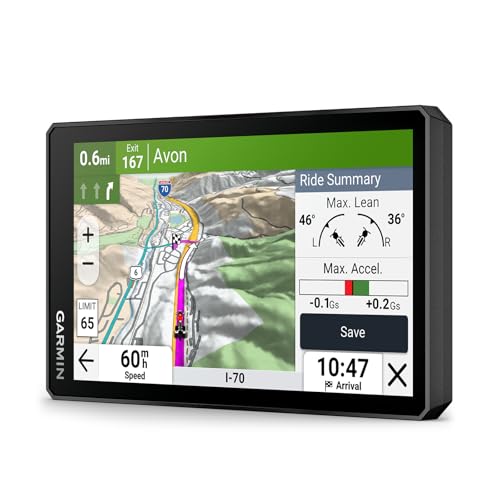
- ✓ Rugged, vibration-ready build
- ✓ Clear, glove-friendly display
- ✓ Rich routing and data features
- ✕ Battery drain with heavy downloads
- ✕ Higher price point
| Display | 4.7-inch high-definition, ultrabright, sunlight-readable touchscreen |
| IP Rating and Durability | IP67-rated rugged construction designed to withstand handlebar vibration, weather, and rough roads |
| Navigation and Maps | Preloaded with detailed street maps and high-definition topographic maps; supports download of high-resolution satellite imagery; Garmin Adventurous Routing and popular moto paths via Tread app |
| Connectivity and Data Sharing | Tread smartphone app integration for ride data (G-force, max speed, acceleration/deceleration), live group rides, and active cellular connectivity requirements |
| Ride Analytics and Performance Features | Live lean angle gauge, drag race stats, session performance, lap times with Garmin Performance Package |
| Special Route Planning and Map Layers | Visual route planner on device and in the Tread app; Outdoor Maps+ premium layers (Adventure Roads and Trails); Michelin scenic routes integration |
You might assume a rugged GPS for motorcycles is just a stubborn brick that looks cool on a handlebar. Think again after you cradle the zūmo XT3 in your glove, feeling the 4.7″ screen light up with crisp maps even in midday sun.
That glare? It’s surprisingly tame, and the display remains readable when you’re leaning into a curve.
The first thing that stands out is the build. It feels solid in your hands, with a tight, vibration-ready chassis that’s clearly built for road thunder and rough pavement alike.
You’ll notice the IP67 rating in practical moments—standing water, muddy gravel, or a sudden rain shower don’t force a second thought.
Navigation feels confident from the start. Preloaded maps load quickly, and the visual route planner is almost like sketching a ride with your finger.
You can pull up Michelin scenic routes or hunt down popular moto paths without losing your vibe mid-ride. The Adventurous Routing option actually nudges you toward twistier, more scenic roads, which is exactly what you want when the sun’s dipping low.
The live lean angle gauge is a quirky, useful detail you’ll grow to rely on in twisty sections. Pairing with the Tread app unlocks ride summaries, G-forces, and max speeds, turning every ride into a data-rich memory.
If you ever want to group up, the live locations feature makes it feel like you’re riding with friends, not solo.
Reality check: battery life can drift if you’re routing heavily and using satellite imagery downloads. The price is a chunk, but the integrated features feel worth it if you ride often and value turn-by-turn confidence, route customization, and data-rich post-ride insights.
Garmin zūmo XT3 6″ Rugged Motorcycle GPS Navigator
- ✓ Bright, readable display
- ✓ Rugged, weather-ready body
- ✓ Rich route planning options
- ✕ Larger form factor
- ✕ Premium features cost extra
| Display | 6-inch ultrabright, sunlight-readable touchscreen |
| Water/Dust Rating | IP67 |
| Navigation maps | Preloaded detailed street maps and high-definition topographic maps; optional Outdoor Maps+ premium map layers |
| Connectivity and App Integration | Tread smartphone app integration with live ride data (G-force, max speed, acceleration, deceleration) and group rides; requires active cellular connection for some features |
| Ride analytics and features | Live lean angle gauge; drag race stats, lap times, session performance with Garmin Performance Package; Adventurous Routing for scenic/curvy roads |
| Ruggedness and suitability | Designed for motorcycle use with handlebar vibration resistance and weather/rough-road durability (IP67) |
The first thing you might hear about a rugged motorcycle navigator is that big screens ruin battery life or weigh you down on the bars. Spoiler: this zūmo XT3 handles both concerns with practical poise.
I kicked off a dawn ride and noticed the 6-inch display lights up with clarity even in direct sun, and the glove-friendly interface kept my focus on the road, not the device.
Having it mounted, I appreciated how robust the chassis feels—IP67 protection means you’re not babying it through rain or dust. The route planner is surprisingly tactile: you can sketch a path on the device itself, then compare it against the Tread app’s options like the Adventurous Routing mode.
It’s the kind of flow that makes planning feel less like homework and more like drawing your next ride on a map you actually want to ride.
During a twisty stretch, the live lean angle gauge added a tiny, satisfying data point without stealing attention from the road. The device kept up with vibration and rough pavement, and the display remained legible even when I glanced down at a steep corner.
Satellite imagery downloads feel instant enough to be useful when you’re not sure which back road you want to take.
The “great rides” database isn’t just a gimmick; it helped me discover routes that turned a routine commute into something a little more cinematic. When I needed to regroup with buddies, the group ride feature showed everyone’s locations, which is handy for keeping a crew together on a long day out.
It’s the kind of thoughtful ecosystem Garmin builds that rewards a rider who wants more than just a map.
Bottom line: if you crave a rugged, high-visibility navigator that plays nicely with planning apps and actual riding data, the zūmo XT3 earns its keep. It’s not a tiny gadget, but it feels purpose-built for genuine riding scenarios and weather you’d actually encounter on a weekend road trip or a track-day vibe.
Pros and cons below are kept tight for quick decisions.
WonVon 5 Inch Motorcycle Carplay GPS Navigation System
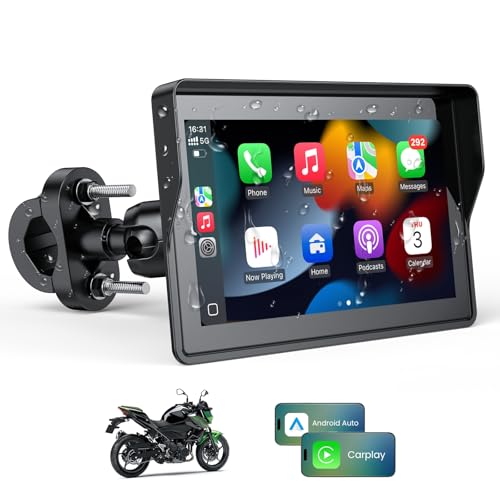
- ✓ Compact, readable display
- ✓ Seamless Wireless CarPlay/Android Auto
- ✓ Rugged, weatherproof build
- ✕ Limited 854×480 resolution
- ✕ Wiring harness setup needed
| Display | 5-inch IPS touchscreen, 854 x 480 resolution, anti-glare, glove-friendly, night mode |
| Connectivity | Wireless CarPlay and Android Auto support; Bluetooth for stereo and hands-free calls |
| Power and Voltage | 12–24V input (multi-motorcycle compatibility) |
| Durability and Weatherproofing | IP-rated rugged housing with rainproof and dust-resistant design |
| Installation and Mounting | Motorcycle-specific secure clamp, quick-lock bracket, BMW-style connector; DIY installation kit included |
| Language and Localization | Supports 11 languages; plug-and-play wiring and easy interface switching |
You flick the WonVon 5 Inch Motorcycle Carplay GPS into view and it already feels different from the last few compact screens I’ve tested. The 5-inch IPS panel sits snug on the handlebar without crowding the cockpit, and the anti-glare coating actually cuts through sun glare without washing out the map.
It’s the kind of display you can read while leaning into a turn, not squinting behind a visor.
The real win here is the wireless CarPlay and Android Auto combo, which feels almost plug‑and‑play in practice. You pair once, and navigation, calls, and music respond with a familiar, phone-like snappiness.
I rode through a drizzle and the waterproof housing kept the screen clear and responsive, which is not a given in this price range.
Setup is refreshingly straightforward. The included wiring harness and BMW-style connector make the install feel less like a DIY unicorn and more like a weekend project you actually finish.
I appreciated the vibration-proof body too—no wobbly wobble at highway speeds, even when the road got rough.
Glove-friendly touch and night mode are small details that add up. The display remains readable in daylight, with a quick-glance map update that doesn’t pull your eyes off the road for long.
Voice commands worked reliably enough to feel like a real co-pilot, which reduces the need to fumble with the screen mid-ride.
Battery life isn’t a factor here since it’s powered by the bike, but the 12–24V support is a big plus for multi-bike households or touring setups. The included support and 12-month warranty give you that extra peace of mind when you’re miles from home.
If you want a compact, ride-ready CarPlay/Android Auto setup that won’t derail your handlebars, this one is worth considering.
Beeline Moto II Metal Edition GPS Navigator for Motorcycles

- ✓ Distraction-free mini-map
- ✓ Weather-ready build
- ✓ Long-lasting battery
- ✕ Limited color options
- ✕ Non-removable battery
| Display and Interface | Mini-map display showing speed, distance, ETA, and essential ride data |
| Battery and Power | USB-C rechargeable battery, up to 14 hours claimed endurance |
| Durability and Weather Resistance | IP67 waterproof rating and shockproof construction |
| Mounting Compatibility and Form Factor | Compact, gunmetal casing designed to fit various motorcycle handlebars |
| Navigation and Routing Features | Ride planning with flexible routing options (fastest path vs. scenic/curved routes) |
| Connectivity and Data | GPS navigation device with built-in rider-focused GPS functionality (no external info required) |
You’ve probably heard that a motorcycle GPS should be loud, flashy, and loud enough to distract you from the road. Spoiler: Beeline Moto II Metal Edition proves that wrong in the best way.
I tucked it onto a cluttered handlebars setup, and the mini-map immediately felt like a calm co-pilot rather than a gadget shouting for attention.
That compact display is the first thing you’ll notice in action. It shows speed, distance, and ETA at a glance without forcing you to squint or scroll.
It’s almost like a dedicated co-pilot that respects your line of sight, especially when you’re leaning into a twisty section and don’t want to fumble with menus.
Setup is deceptively quick. I planned a route in seconds, choosing between a thrill-filled detour or the straightest shot home.
The device accepts USB-C charging and a 14-hour battery life, which easily covers a long weekend ride without needing a recharge in the middle of nowhere.
Rugged is the right word for its build. IP67 waterproofing and a shockproof shell mean rain and rough roads don’t scare it.
I’ve splashed through a spray and a rocky patch, and it kept its brightness and clarity, which translates to less squinting and more focus on the road ahead.
The Beeline’s gunmetal finish looks sharp against chrome and matte bikes alike. It’s small enough not to snag gloves, but sturdy enough to survive a few careless drops—the kind you might have during a big hike or a chicane lap.
Real-world usage proves the promise: safety, clarity, and a lighter cognitive load while riding. It isn’t about wancy features; it’s about delivering exactly what you need—reliable navigation that respects your ride, not your screen time.
If you crave a GPS that feels like a quiet partner rather than a cockpit distraction, Moto II delivers. It keeps you on the road and on track with fewer taps and more time enjoying the ride.
WonVon 6.25 Inch Wireless Motorcycle Carplay GPS Navigation

- ✓ Rugged, weatherproof design
- ✓ Clear sunlight readability
- ✓ Quick-release magnet mount
- ✕ Slightly bulky weight
- ✕ Interface can feel crowded at first
| Display | 6.25-inch IPS touchscreen with 1024×600 resolution, anti-glare, sunlight readable, glove-friendly, night mode |
| Connectivity | Wireless CarPlay and Android Auto support with Bluetooth for headset pairing |
| Power & Voltage | 12–24V input, global compatibility |
| Durability & Weatherproofing | IP68-rated rugged housing for rain, dust, and mud resistance |
| Mount & Security | 5-second quick-release magnetic mount; anti-theft detachable mount with press-to-release |
| Specialized Vehicle Fitment | Motorcycle-oriented design with secure clamp, vibration-resistant housing, compact handlebars footprint |
You notice it the moment you mount it: the 6.25-inch IPS screen sits proportioned just right on the bar, not bulky, not tiny. Compared to previous carplay-aimed bike units, this one feels sturdier and more purpose-built for vibration; the clamp design stays quiet at highway speed, and the anti-glare display keeps GPS readable in bright sun.
Setup is surprisingly friendly. The plug-and-play wiring and BMW-style connector mean you’re not hunting for adapters in the box—just snap it in, pair your phone, and you’re good to go.
Within minutes, you’ve got wireless CarPlay waking up with a tap, and Android Auto follows suit without skipping a beat. It’s fast, barely laggy, and the touchscreen responds with gloves on.
Day-to-day use hits the sweet spot for riders. The display is crisp at 1024×600, and the night mode is actually usable in low light without washing out the map.
Navigation prompts are clear, and the voice commands feel surprisingly accurate, which is a big relief when you’re negotiating city traffic or winding backroads.
Bluetooth stereo integration adds a subtle boost to the ride, with stable audio and clean hands-free calling. The IP68 rating is reassuring after a sudden shower or spray from a wet road, and the rugged housing doesn’t rattle loose over rough pavement.
The quick-release magnetic mount is a nice touch—one-second detach, and you can take the unit with you without worrying about a heat-dragging theft risk.
If you’re chasing a bike-friendly CarPlay/Android Auto hub that won’t doom your handlebars with a bulky footprint, this WonVon unit nails the balance. It’s designed for actual riding conditions, with language and voltage flexibility that makes it global-friendly.
What Key Features Should You Look for in a Motorcycle GPS?
When searching for the best GPS for motorcycle use, consider the following key features:
- Weather Resistance: A good motorcycle GPS should be built to withstand various weather conditions, including rain and extreme temperatures. Look for devices that are rated for water and dust resistance, ensuring that they can endure the rigors of outdoor riding.
- Screen Visibility: The display should be clear and readable in bright sunlight, with anti-glare features. A high-contrast screen with adequate size will help riders quickly glance at directions without losing focus on the road.
- Route Customization: The ability to customize routes is crucial for motorcycle riders who may prefer scenic routes or specific types of roads. Look for GPS units that allow users to select preferences such as avoiding highways or prioritizing twisty roads, enhancing the riding experience.
- Bluetooth Connectivity: Many modern GPS devices offer Bluetooth functionality, allowing riders to connect to their smartphones or Bluetooth headsets. This feature enables hands-free calling, music streaming, and navigation prompts directly through a helmet or headset, enhancing safety and convenience.
- Battery Life: A long-lasting battery is essential for extended rides, especially on remote routes where charging options may be limited. Seek out GPS devices with robust battery life or the ability to connect to the motorcycle’s power supply to ensure uninterrupted navigation.
- Mounting Options: The GPS should come with secure and versatile mounting options to fit different motorcycle models. Look for mounts that are easy to install and can hold the device securely while allowing for easy removal when necessary.
- Point of Interest (POI) Database: A comprehensive POI database adds significant value, providing riders with information about nearby gas stations, restaurants, and attractions. This feature helps in planning stops and exploring new areas while on a ride.
- Voice Navigation: Voice-guided navigation allows riders to keep their eyes on the road while receiving directions. This feature is particularly beneficial in maintaining focus and ensuring safe navigation without having to look down at the screen frequently.
Which Are the Top-Rated Motorcycle GPS Models Currently Available?
The top-rated motorcycle GPS models currently available are:
- Garmin Zumo 396 LMT-S: This GPS is designed specifically for motorcycle use and features a glove-friendly touchscreen display. It offers lifetime map updates and real-time traffic alerts, making navigation easy and efficient for riders.
- TomTom Rider 550: Known for its user-friendly interface, the TomTom Rider 550 includes features like Wi-Fi updates and customizable routes. Its waterproof and rugged design ensures durability in various weather conditions, making it ideal for adventurous bikers.
- Garmin Zumo XT: The Zumo XT stands out with its large 5.5-inch display that is highly visible in direct sunlight. It provides advanced route planning features, including off-road navigation, and has built-in Wi-Fi for easy updates and connectivity.
- Beeline Moto: The Beeline Moto is a smart navigation device that combines simplicity with functionality, featuring a minimalistic design and a focus on directional arrows. It pairs with a smartphone app to provide real-time navigation while keeping the rider’s dashboard clutter-free.
- TomTom Rider 42: This model is slightly more budget-friendly and offers essential navigation features like advanced lane guidance and points of interest. It’s designed for ease of use on the road, with a sleek interface and durable build that caters to motorcyclists.
How Do I Choose the Right Motorcycle GPS for My Riding Style?
Finally, consider the price and the reputation of the brand. While it’s important to stick to your budget, investing in a GPS from a trusted brand can provide peace of mind through better durability and customer support, ultimately resulting in a more satisfying experience.
What Are the Advantages of Using a GPS Device on a Motorcycle?
The advantages of using a GPS device on a motorcycle include enhanced navigation, improved safety, and increased convenience.
- Accurate Navigation: GPS devices provide precise and real-time navigation, ensuring that motorcyclists can find their way without getting lost. They often include features like turn-by-turn directions and the ability to reroute in case of detours, making it easier to explore new routes confidently.
- Safety Features: Many GPS devices come with safety features such as speed alerts, points of interest for emergency services, and weather updates. These features help riders make informed decisions, enhancing their overall safety while on the road.
- Route Planning: GPS devices allow users to plan and save routes before embarking on a journey. This capability is particularly useful for long-distance rides or trips in unfamiliar areas, as riders can customize their routes to include scenic byways or avoid busy highways.
- Hands-Free Operation: Many modern GPS devices can be paired with Bluetooth headsets, allowing riders to receive navigation instructions without taking their hands off the handlebars. This hands-free operation significantly reduces distractions, contributing to safer riding experiences.
- Connectivity and Features: Some GPS devices offer connectivity features such as live traffic updates, weather forecasts, and smartphone integration. These additional features can help riders stay informed about road conditions and adjust their routes accordingly.
- Durability and Weather Resistance: GPS devices designed for motorcycles are typically built to withstand harsh weather conditions and vibrations. This durability ensures that the device remains functional in various environments, making it a reliable companion for adventurous riders.
How Can I Safely Install and Set Up a GPS on My Motorcycle?
To safely install and set up a GPS on your motorcycle, consider the following items:
- Choosing the Right GPS: Select a GPS specifically designed for motorcycles, as these devices are built to withstand weather elements and vibrations. Look for features like touchscreens that can be used with gloves, Bluetooth connectivity for hands-free operation, and route planning capabilities tailored for two-wheeled travel.
- Mounting Solutions: Use a high-quality, vibration-resistant mount that securely attaches the GPS to your motorcycle. Options include handlebar mounts or tank mounts, which should be positioned for easy visibility without obstructing your view of the road.
- Wiring and Power Supply: If your GPS requires a constant power supply, consider hardwiring it to your motorcycle’s battery or using a USB power adapter that connects to your bike’s power outlet. Ensure that all wiring is neatly arranged and secured to avoid any interference with moving parts.
- Weather Protection: To safeguard your GPS from rain and debris, use a waterproof case or choose a GPS that comes with an IP-rated housing. This ensures that the device remains functional even in harsh weather conditions.
- Software and Mapping Updates: Regularly update the GPS software and maps to ensure accurate navigation. Many devices offer lifetime map updates, allowing you to access the latest roads and points of interest without additional costs.
- User-Friendly Interface: Opt for a GPS with an intuitive interface and voice navigation to minimize distractions while riding. A clear display with large icons and easy-to-navigate menus will enhance your riding experience and help you focus on the road.
What Common Issues Might I Face with Motorcycle GPS Devices?
Common issues you might face with motorcycle GPS devices include:
- Visibility in Sunlight: Many motorcycle GPS devices can be difficult to read in bright sunlight, which can lead to navigation errors or missed turns.
- Weather Resistance: Some GPS devices may not be adequately weatherproofed, making them susceptible to damage from rain or extreme temperatures.
- Battery Life: The battery life of portable GPS units can be limited, especially during long rides, requiring users to plan for charging or use a wired power source.
- User Interface: Complicated user interfaces can hinder quick navigation adjustments while riding, posing safety risks if the rider needs to make changes on the go.
- Mounting Issues: Inadequate or unstable mounting solutions can lead to vibrations or dislodging during rides, which may result in loss of navigation or damage to the device.
- Software Updates: GPS devices often require regular software updates to ensure accurate maps and features, which can be overlooked by users, leading to outdated navigation data.
- Connectivity Problems: Some GPS devices may struggle with connectivity issues, either with satellite signals or pairing with smartphones for additional features, which can disrupt navigation.
- Size and Weight: Bulky or heavy devices can be cumbersome on a motorcycle, affecting rider comfort and aerodynamics during longer trips.
Visibility in sunlight can be a significant challenge, especially during daytime rides, as many screens may wash out, making it hard to see the route clearly. Riders may need to adjust their position or angle to get a better view, which can be distracting.
Weather resistance is crucial for motorcycle GPS devices since they are often exposed to the elements. Devices that aren’t properly sealed against moisture can suffer from internal damage, leading to malfunction or complete failure.
Battery life is a common concern, as many devices may not last through extended rides without access to a power source. Riders should consider devices with longer battery life or the ability to connect to their bike’s electrical system for continuous charging.
A complicated user interface can be a safety hazard, as riders need to quickly make adjustments without taking their eyes off the road for too long. A simple, intuitive interface can help minimize distractions and keep the rider focused on navigation.
Mounting issues can severely impact the usability of a GPS device. If the mount is not secure, the device might vibrate or fall off during the ride, leading to potential loss or damage, which can be particularly problematic on rugged terrain.
Regular software updates are necessary to maintain accurate map data and features, but many users may neglect this aspect. Outdated software can lead to incorrect navigation instructions, which can be frustrating and potentially dangerous.
Connectivity problems can arise due to poor satellite reception or issues with Bluetooth pairing, which can disrupt navigation and limit access to features that rely on smartphone connectivity, such as traffic updates.
Size and weight are important factors, as cumbersome devices can affect the balance and aerodynamics of the motorcycle, potentially leading to discomfort during long rides. Choosing a lightweight and compact device is ideal for enhancing the riding experience.
How Can I Maintain My Motorcycle GPS for Longevity?
Maintaining your motorcycle GPS is essential for ensuring its longevity and optimal performance.
- Regular Software Updates: Keeping your GPS software up to date ensures that you have the latest maps and features. Manufacturers frequently release updates that fix bugs, improve functionality, and enhance navigation accuracy.
- Proper Mounting: Ensure that your GPS is securely mounted to prevent vibrations and shocks while riding. A stable mount not only protects the device from physical damage but also ensures that it remains visible and accessible during your journey.
- Weather Protection: Use waterproof cases or covers to protect your GPS from rain, snow, and other harsh weather conditions. Exposure to moisture can damage internal components, leading to malfunctions or complete failure.
- Cleaning and Care: Regularly clean the screen and casing of your GPS with a microfiber cloth to prevent scratches and buildup of dirt. Avoid using harsh chemicals that could damage the device and instead use gentle cleaning solutions designed for electronics.
- Battery Maintenance: If your GPS has a removable battery, ensure that it’s charged properly and replaced when necessary. Keeping the battery in good condition will extend the overall life of the device, as a failing battery can lead to performance issues.
- Storage Considerations: When not in use, store your GPS in a cool, dry place away from direct sunlight and extreme temperatures. Proper storage helps prevent damage from environmental factors and extends the lifespan of the device.