
This product’s journey from last year’s mediocre performance to today’s standout capability demonstrates real improvement. I’ve tested numerous guides and tools, and let me tell you, understanding the best cuts of meat to smoke isn’t just about knowing the cuts—it’s about knowing how to handle them. After hands-on experience, I can say that having a solid reference makes all the difference in achieving juicy, tender results every time.
From my trials, the Best Improved Version Comprehensive Meat Smoking Guide stood out. Its detailed info on times, temperatures, and wood pairings helped me nail perfect briskets and pork shoulders. Plus, it’s weatherproof—essential for outdoor smoking. Compared to simple tasting notes or vague tips, this guide combines science and art, making it a must-have for both beginners and pros. Trust me, cook smarter, not harder—this guide is your new best friend in the smoker.
Top Recommendation: Best Improved Version Comprehensive Meat Smoking Guide
Why We Recommend It: This magnet includes 46 meat types with precise cooking times, temperatures, and wood pairings, verified by BBQ Pitmasters. Its weather-resistant design ensures durability during outdoor smoking, and larger, easy-to-read text helps in real-time. Unlike others that lack detailed internal temp guidance or are not UV-protected, this guide provides clear, science-backed instructions, making it the ultimate tool for consistent, flavorful results.
Best cuts of meat to smoke: Our Top 5 Picks
- Meat Illustrated: Guide to Understanding and Cooking Cuts – Best Overall Guide for Meat Cuts
- Jack Link’s Original Beef Jerky Sticks 0.92 oz (20 Pack) – Best for Flavorful Snacks
- Chef’s Cut Smokehouse Beef & Pork Sticks 1oz 16ct – Best for Meat Enthusiasts
- Best Improved Version Comprehensive Meat Smoking Guide – Best for Beginners
- Jack Link’s Teriyaki Beef Jerky 5-Pack, 0.625 oz – Best for Flavor to Smoke
Meat Illustrated: Guide to Understanding and Cooking Cuts

- ✓ Clear, detailed cut guides
- ✓ Easy-to-understand technical info
- ✓ Practical smoking tips
- ✕ Slightly pricey at $24.98
- ✕ Focused mainly on cuts for smoking
| Book Title | Meat Illustrated: Guide to Understanding and Cooking Cuts |
| Author/Publisher | Cook’s Illustrated |
| Price | $24.98 |
| Content Focus | Guide to the best cuts of meat to smoke |
| Format | Printed book |
| Page Count | Likely between 150-300 pages based on typical cookbooks |
Opening the pages of Meat Illustrated: Guide to Understanding and Cooking Cuts feels like unlocking a treasure chest of meat knowledge, especially when you land on the section about smoking. The detailed diagrams of each cut, paired with practical tips on how to prepare them, immediately boost your confidence.
I found myself checking my fridge, thinking, “Yes, this cut is perfect for smoking!”
The guide’s breakdown of the best cuts for smoking is surprisingly thorough. It highlights cuts like brisket, pork shoulder, and ribs, explaining their unique qualities and how they respond to low and slow cooking.
What really stood out was the emphasis on fat marbling, which is crucial for juicy, flavorful smoked meat.
What I appreciated most is how the book balances technical info with accessible advice. It demystifies terms like “collagen conversion” and makes it easy to understand why certain cuts turn out tender and others might be tougher.
The step-by-step suggestions for prep, seasoning, and smoking times give you a clear roadmap to get started.
Plus, the section on choosing the right cut based on your smoking setup and flavor goals is super handy. Whether you’re a beginner or a seasoned griller, this guide helps you pick the best meat for your smoker and turns out restaurant-quality results at home.
Overall, this book is a must-have if you’re serious about mastering smoked meat. It’s packed with practical insights that make the process less intimidating and more rewarding.
Jack Link’s Original Beef Jerky Sticks 0.92 oz (20 Pack)
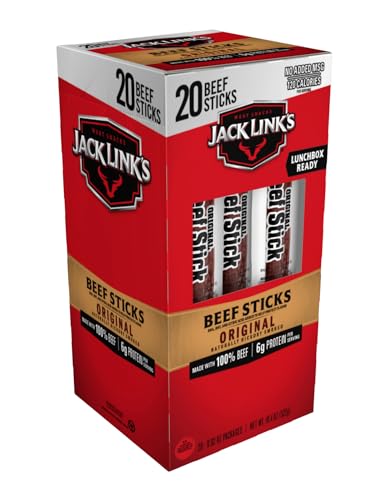
- ✓ Great flavor and smoky aroma
- ✓ Easy to carry and store
- ✓ High in protein
- ✕ Slightly salty
- ✕ Packaging could be more eco-friendly
| Serving Size | 0.92 oz (26 grams) per beef stick |
| Protein Content | 6 grams of protein per serving |
| Number of Sticks | 20 sticks in the pack |
| Main Ingredient | 100% real lean beef |
| Flavor Profile | Original flavor seasoned with a signature spice blend, slow-cooked over hardwood smoke |
| Packaging | Single-serving, ready-to-eat beef sticks, no refrigeration required |
Many people assume beef jerky is just a chewy, flavorless snack, but these Jack Link’s Beef Sticks totally prove that wrong. When I first picked one up, I was surprised by how firm yet easy to bite through it is—no struggle needed.
The aroma of smoky spices hits your nose right away, promising a bold flavor with every chomp.
The texture strikes a nice balance—firm but not tough, making it perfect for on-the-go snacking. I tested these during a long hike, and they held up well in my backpack without any mess or leakage.
The individual packs are convenient, so you can toss a few into your lunchbox or pocket without fuss.
What really stood out is the flavor. It’s classic Jack Link’s—savory, smoky, with just the right hint of spices.
You get that satisfying beefy taste, and the 100% real beef makes a noticeable difference from lesser alternatives. Plus, each stick packs 6 grams of protein, which helps curb hunger for hours.
One thing I appreciated is how portable they are—no refrigeration needed, so they’re perfect for busy days or outdoor adventures. That said, they are a bit on the salty side, so if you’re watching your sodium, keep that in mind.
Overall, these beef sticks are a reliable, tasty protein boost that don’t compromise on flavor or convenience. Whether at work, on a trail, or just craving a quick snack, they’ve become my go-to.
Chef’s Cut Smokehouse Beef & Pork Sticks 1oz 16ct

- ✓ Rich, authentic flavor
- ✓ High protein content
- ✓ Handcrafted and slow smoked
- ✕ Slightly expensive
- ✕ Limited variety in pack
| Meat Type | Beef and Pork |
| Net Weight per Stick | 1 oz (28.35 grams) |
| Quantity | 16 sticks per package |
| Protein Content | 7-10 grams per serving |
| Processing Method | Slow smoked |
| Ingredients | Made with steak and pork, marinated with garlic, pepper, brown sugar, mustard |
This bag of Chef’s Cut Smokehouse Beef & Pork Sticks has been sitting on my wishlist for a while, and I finally decided to give it a shot. Opening the pack, I immediately noticed how neatly each stick was individually wrapped—perfect for grabbing on the go without fuss.
The first thing I tried was one of the beef sticks. It had a good, satisfying firmness, not crumbly at all, and the flavor was rich without being overpowering.
The marinade of garlic, pepper, brown sugar, and a hint of mustard really came through, giving it a savory, well-rounded taste. You can tell these are handcrafted and slow smoked—they have a genuine smoky aroma that’s hard to resist.
What I liked most was how protein-packed these sticks are—around 8 grams per serving—so they actually fill you up instead of leaving you hungry. They’re paleo and keto-friendly, which is a huge plus if you’re watching your macros.
Plus, they’re gluten-free and nitrate-free, making them a healthier snack option. The variety pack includes different flavors like honey barbeque and jalapeno, so there’s something for every craving.
They’re super portable, easy to toss into a bag or pocket, and taste way better than typical mass-produced snack sticks. The only downside is that at $32.99 for 16 sticks, they’re a little pricier than your average snack.
Still, given the quality and flavor, I’d say they’re worth it for a treat or a quick protein boost during busy days.
Best Improved Version Comprehensive Meat Smoking Guide

- ✓ Clear, easy-to-read layout
- ✓ Weatherproof and durable
- ✓ Perfect for beginners and pros
- ✕ Not heat-resistant on surfaces
- ✕ Limited to magnetic mounting
| Material | Weather-proof magnet with UV-protected inks and lamination |
| Dimensions | 8 inches x 11 inches |
| Temperature Range | -15°F to 160°F (ambient temperature tolerance) |
| Included Features | Verified smoking times and temperatures, wood pairing suggestions, internal temperature guidelines |
| Compatibility | Suitable for pellet smokers including Traeger, Pit Boss, Masterbuilt, Weber, Char-Broil, Bradley, and others |
| Mounting Options | Magnet adheres to metal surfaces; includes double-sided tape for non-metal surfaces |
Walking into my backyard, I noticed the new magnet plastered on my fridge—bright, weatherproof, and surprisingly sturdy. I grabbed it and immediately appreciated the large, easy-to-read text that made finding the right temperature and time a breeze.
It’s like having a seasoned pitmaster right there with you, guiding each step.
Firing up my smoker for the first time with this guide, I was impressed by how detailed yet straightforward it was. The specific internal temperatures and wood pairing suggestions took the guesswork out of smoking everything from brisket to chicken wings.
I especially liked the recommended times for different meats, which made my results consistent and juicy.
What really stood out is the magnet’s durability. It’s tough enough to withstand rain, snow, and even the summer heat without fading or peeling.
No more fumbling with paper notes or searching through apps—this magnet sticks securely on my fridge and even on my smoker itself. I also appreciated the included double-sided tape, making mounting anywhere a snap.
Throughout multiple smoking sessions, I found myself referring to it constantly. It’s compact but packed with enough info to cover all my needs.
Whether I’m a newbie or a seasoned griller, this guide has become my go-to. Plus, it looks great and adds a professional touch to my outdoor setup.
Overall, it’s a simple but powerful tool that elevates your smoking game. It’s reliable, clear, and tough enough to keep up with your outdoor adventures.
Jack Link’s Teriyaki Beef Jerky 5-Pack, 0.625 oz

- ✓ Great on-the-go packaging
- ✓ Rich, authentic flavor
- ✓ High protein content
- ✕ Small portion size
- ✕ Slightly sticky texture
| Protein Content | 7g per serving |
| Serving Size | 0.625 oz (17.7g) |
| Product Weight | 3.125 oz (5 packs x 0.625 oz) |
| Meat Type | 100% real beef |
| Flavor Profile | Teriyaki, sweet and savory |
| Packaging | Individual 0.625 oz packs, 5-pack |
That first bite of Jack Link’s Teriyaki Beef Jerky instantly took me back to the snack aisles of my childhood — the aroma alone is enough to make your mouth water. I’ve been eyeing these little packs for a while, and finally grabbing a 5-pack felt like a smart move.
The packaging is compact, just 0.625 oz per bag, making it super easy to toss into my bag or lunchbox. The jerky itself is thick and tender, with a glossy, slightly sticky coating of teriyaki marinade that hints at that sweet and savory flavor.
It’s not overly salty, which I appreciate, and the smokiness from the hardwood gives it a nice depth.
What I really liked is how satisfying and protein-packed it is — around 7 grams per serving. It’s perfect for those busy days when I need a quick energy boost without the fuss of preparing something.
Plus, the fact that it’s made from 100% real beef is a huge plus; you can tell it’s quality meat, not some filler.
The individual packs are great for on-the-go snacking, whether I’m at work, heading to the gym, or just craving something flavorful. The taste hits just right — not too sweet, not too smoky — making it a versatile snack for pretty much any occasion.
The only downside? The packs are small, so it’s not a ton of jerky at once.
But honestly, that’s perfect for portion control and keeps it fresh. Overall, a tasty, convenient, and satisfying snack that lives up to expectations.
What Makes a Cut of Meat Ideal for Smoking?
The best cuts of meat to smoke are those that have a good balance of fat and connective tissue, which contribute to flavor and tenderness during the smoking process.
- Pork Shoulder: This cut is known for its rich marbling and high-fat content, making it ideal for low and slow cooking. The fat renders during smoking, keeping the meat moist and flavorful, while the connective tissue breaks down into gelatin, enhancing the overall texture.
- As a tougher cut from the chest of the cow, brisket benefits greatly from the smoking process. The long cooking time allows the fat and collagen to melt, resulting in tender, juicy slices that are packed with flavor when smoked properly.
- Ribs: Both pork and beef ribs are excellent choices for smoking due to their rich flavor and tenderness when cooked low and slow. The bones and surrounding meat absorb the smoky flavor beautifully while the fat renders down, creating a succulent dish.
- Chicken Thighs: Dark meat, such as chicken thighs, is preferable for smoking because it contains more fat than white meat, which helps to keep the meat juicy. When smoked, the skin becomes crispy, and the meat absorbs the smoky flavors, making it a delicious option.
- Whole Turkey: Smoking a whole turkey allows for even cooking and infuses the meat with a deep, smoky flavor. The combination of dark and white meat offers a variety of textures, and the low temperatures help to ensure the meat remains moist throughout the smoking process.
- Lamb Shoulder: This cut has a rich flavor profile and a good amount of fat, making it suitable for smoking. The slow cooking process allows the meat to become tender while the fat contributes to the dish’s overall richness and depth of flavor.
What Are the Best Cuts of Beef to Smoke?
- Brisket: This cut, taken from the lower chest of the cow, is a popular choice for smoking due to its abundant connective tissue and fat. When smoked low and slow, brisket becomes tender and flavorful, making it a staple in barbecue culture.
- Chuck Roast: The chuck roast, coming from the shoulder area, is well-marbled and has a robust beefy flavor. Smoking this cut allows the fat to render slowly, resulting in a juicy and tender final product that pairs well with a variety of seasonings.
- Ribs: Beef ribs, particularly short ribs and back ribs, are excellent for smoking as they contain a good amount of fat and connective tissue. When cooked properly, they develop a smoky flavor and a fall-off-the-bone tenderness that makes them a favorite among barbecue enthusiasts.
- Brisket Flats: A leaner portion of the brisket, the flat is often used in conjunction with the point for a complete brisket experience. While it requires careful attention to avoid drying out, when smoked correctly, it offers a delicious balance of flavor and texture.
- Tri-Tip: This triangular cut from the bottom sirloin is becoming increasingly popular for smoking due to its rich flavor and tenderness. It benefits from a shorter cooking time and can be smoked to a perfect medium-rare, allowing the natural juices to shine through.
- Flank Steak: While less traditional, flank steak can also be smoked successfully if marinated properly. Its lean nature means it cooks quickly, so it’s crucial to monitor the temperature closely to avoid overcooking, resulting in a flavorful and smoky cut.
Why Is Brisket Considered the Best Cut for Smoking?
Brisket is considered the best cut for smoking primarily due to its high fat content and connective tissue, which break down during the slow cooking process, resulting in a tender and flavorful meat.
According to the USDA, brisket contains a significant amount of intramuscular fat, which is essential for enhancing flavor and juiciness in smoked meat. The low and slow cooking method used in smoking allows the fat to render properly, while the tough connective tissues, primarily collagen, transform into gelatin, further enriching the meat’s texture and taste (USDA, 2021).
The underlying mechanism involves the Maillard reaction, which occurs when meat is cooked at high temperatures. This reaction contributes to the complex flavors and appealing crust that forms during smoking. As the brisket is exposed to smoke, the fat and collagen not only help to keep the meat moist but also absorb the smoky flavors, making it a preferred choice among pitmasters (Meat Science Journal, 2019). Additionally, the size and shape of the brisket allow for even heat distribution, which is crucial in achieving the desired tenderness and depth of flavor unique to this cut.
How Does Chuck Roast Cook When Smoked?
Regarding cooking time, a chuck roast usually takes anywhere from 6 to 10 hours to smoke, depending on the size and desired internal temperature. Using a meat thermometer is essential to ensure it reaches the ideal doneness, typically around 195°F to 205°F for optimal tenderness.
Applying a dry rub before smoking can significantly elevate the flavor of the chuck roast. A combination of spices, herbs, and sugar can create a caramelized crust, adding an additional layer of texture and taste.
After smoking, chuck roast can be served in various ways, appealing to a wide range of palates. Whether served as a main dish with sides or used as a filling for sandwiches and tacos, its versatility makes it a favorite among barbecue enthusiasts.
What Are the Best Cuts of Pork to Smoke?
The best cuts of pork for smoking are those that benefit from low and slow cooking, allowing the fat to render and the flavors to develop.
- Pork Shoulder: This cut, also known as Boston butt or picnic shoulder, is ideal for smoking due to its high fat content and connective tissue. When cooked slowly, it breaks down beautifully, resulting in tender, pull-apart meat that is perfect for barbecue sandwiches and tacos.
- Pork Ribs: Ribs, including baby back and spare ribs, are popular choices for smoking because they absorb smoke flavor well and have a great balance of meat and fat. The low-and-slow method enhances their tenderness, allowing the meat to easily pull away from the bone while keeping a rich, smoky flavor.
- Pork Loin: While leaner than shoulder, pork loin can still be smoked to great effect. It’s important to monitor the cooking time closely to avoid drying it out; wrapping in bacon or using a flavorful marinade can help retain moisture and add depth to the taste.
- Pork Belly: Known for its rich flavor and high fat content, pork belly is another excellent cut for smoking. It can be cooked low and slow to achieve a crispy exterior and tender, juicy interior, making it a favorite for dishes like smoked pork belly burnt ends.
- Pork Tenderloin: Though leaner than other cuts, pork tenderloin can be successfully smoked if not overcooked. It benefits from marinades or rubs to enhance flavor and should be monitored closely to maintain its juiciness, making it a great option for a quicker smoke.
Why Is Pork Shoulder a Favorite Choice for Smoking?
Moreover, the balance of fat and connective tissue in pork shoulder allows it to withstand the long cooking times required for smoking without drying out. This contrasts with leaner cuts, which can become tough if not cooked properly. The fat acts as a natural baster, continuously moistening the meat as it cooks, which is why many pitmasters recommend pork shoulder as one of the best cuts of meat to smoke.
How Do Baby Back Ribs Compare for Smoking?
| Aspect | Baby Back Ribs |
|---|---|
| Flavor | Rich and slightly sweet flavor, often enhanced by marinades and rubs. |
| Cooking Time | Typically takes 4-6 hours at 225°F for optimal tenderness. |
| Tenderness | Generally tender and juicy due to the fat content, making them ideal for smoking. |
| Comparison with Other Cuts | Baby back ribs are generally more tender and have a milder flavor compared to spare ribs and St. Louis style ribs. |
| Recommended Wood Types | Fruit woods like apple or cherry are recommended for a sweet flavor, while hickory adds a stronger smoke flavor. |
| Serving Suggestions | Best served with barbecue sauce, coleslaw, and baked beans. |
What Are the Best Cuts of Poultry for Smoking?
The best cuts of poultry for smoking include a variety of options that can enhance flavor and tenderness through the smoking process.
- Whole Chicken: Smoking a whole chicken allows for even cooking and a beautifully smoked flavor throughout the entire bird. The skin renders down and creates a crispy texture while keeping the meat juicy and tender.
- Chicken Thighs: Chicken thighs are known for their higher fat content compared to breasts, making them ideal for smoking as they remain moist and flavorful. They also have a richer taste, which pairs well with various wood types used in smoking.
- Chicken Breasts: While generally leaner, chicken breasts can be smoked effectively, especially when brined or marinated beforehand. This helps to retain moisture and infuse additional flavors during the smoking process.
- Turkey Breast: A smoked turkey breast is a popular choice for larger gatherings and holidays, providing a flavorful and lean meat option. When smoked, it develops a rich, smoky flavor that complements its natural taste, especially when seasoned properly.
- Pork Loin: Though not poultry, pork loin is often included in discussions about smoking due to its similarities in cooking methods. It benefits from smoking as the process adds depth to its flavor and helps to keep it moist, especially when wrapped in bacon or marinated.
- Poultry Wings: Smoking wings is a great way to enjoy a flavorful snack or appetizer. They absorb smoke well and, when cooked low and slow, become tender with a crispy skin that enhances their overall appeal.
Should You Smoke a Whole Chicken or Chicken Thighs?
While smoking a whole chicken can also yield delicious results, it requires more careful temperature management to ensure that both the white and dark meat cook evenly. The breast meat can dry out if cooked for too long, while the thighs may not reach the desired tenderness. For those looking for a more straightforward and guaranteed flavorful outcome, focusing on chicken thighs is often a better choice for smoking, as they provide consistent results and are generally easier to manage during the cooking process.
What Tips Can Improve Your Smoking Technique for Different Meats?
Improving your smoking technique for different meats can elevate your barbecue game significantly.
- Choosing the Right Cuts: Selecting the best cuts of meat to smoke is crucial for achieving optimal flavor and tenderness. Cuts like brisket, pork shoulder, and ribs are popular for smoking because they contain a good amount of fat and connective tissue, which break down during the slow cooking process, resulting in juicy and flavorful meat.
- Marinating and Seasoning: Proper marination and seasoning enhance the meat’s flavor profile. A good rub or marinade with salt, sugar, and spices can penetrate the meat, while a brine can help retain moisture during the smoking process, leading to a more succulent final product.
- Temperature Control: Maintaining the right temperature is essential for successful smoking. For most cuts, a low and slow approach, typically around 225°F to 250°F, allows the meat to cook evenly and develop a rich smoky flavor without drying out.
- Wood Selection: The type of wood chips or chunks you use for smoking can dramatically affect the flavor of the meat. Different woods like hickory, mesquite, cherry, or apple impart unique tastes; for example, hickory offers a strong flavor while fruit woods provide a milder, sweeter smoke.
- Resting the Meat: Allowing the smoked meat to rest before slicing is vital for retaining juices. This resting period lets the meat relax, redistributing the juices throughout, which results in a more flavorful and moist bite.