
Before testing this device, I never realized how much unclear routing and slow updates quietly added hours to our trips. You want reliable, truck-aware navigation that handles weight limits, bridge heights, and tight docks without drama. After hands-on use, I’ve compared two 7″ options and one budget model, focusing on real-world usability, updates, and route logic.
From smooth, glare-free displays to true RV/Truck routing that avoids low bridges, the standout is the Garmin dēzl OTR720 7″ GPS Truck Navigator HRT Display for its dedicated trucking features, reliable alerts, and parking insights. It’s not the cheapest, but it consistently reduces detours and wait times, especially in unfamiliar corridors. If you’re budget-conscious, the first option offers multi-mode routing and lifetime map updates, but its truck routing can be less precise in complex corridors. Overall, the Garmin model earns my warm recommendation for daily, heavy-use RV/truck journeys.
Top Recommendation: Garmin dēzl OTR720 7″ GPS Truck Navigator HRT Display
Why We Recommend It: The Garmin dēzl OTR720 delivers dedicated truck routing based on vehicle size/weight, incoming bridge-height alerts, and easy dock/entrance navigation. It adds practical features like BirdsEye Direct Satellite imagery for destination context, PrePass notifications, and truck parking info—all crucial for RVers. Its high-contrast 7″ display and in-cab readability reduce distraction, while road-awareness tools (wind overlays, weight checks) improve planning. Compared with the budget option, the Garmin offers more robust routing accuracy, better parking/heavy-vehicle support, and a clearer in-vehicle experience, justifying the higher value.
Best gps for rver: Our Top 2 Picks
- 7″ GPS Navigator for Car & Truck with North America Maps – Best GPS for RV
- Garmin dēzl OTR720 7″ GPS Truck Navigator HRT Display – Best Top GPS for recreational vehicle
7″ GPS Navigator for Car & Truck with North America Maps

- ✓ Clear 7″ display
- ✓ RV-friendly routing
- ✓ Free lifetime mapsUpdates
- ✕ FM transmitter only
- ✕ Bulkier for small cabins
| Display | 7-inch touchscreen |
| Maps and Navigation | Pre-installed 2026 North America maps with lifetime updates; supports Europe/other regions via download |
| Routing Modes | Car, Truck, Bus, RV, Bicycle, Pedestrian; in Truck/RV mode avoids low bridges, weight-restricted roads, and narrow lanes |
| Real-Time Information | Real-time trip data with current speed and remaining distance |
| Voice and Audio | Turn-by-turn voice guidance; FM transmitter to car audio (transmitter only, not FM radio tuner) |
| Input/Search Methods | Addresses, postal codes, coordinates, or points of interest (POI); route options include Fastest, Shortest, Most Economical, or Simplest |
The moment I unboxed the 7″ GPS Navigator, I noticed the matte black finish and that satisfyingly solid weight in my hand. It feels purpose-built, not a toy—like it’s ready to ride shotgun on long RV trips without begging for a delicate touch.
The 7-inch touchscreen responds with a pleasing click and smooth glide, and the device sits comfortably in the cup holder or dash without feeling oversized.
First ride impression: the screen brightness is clear in daylight, and the map feels instantly familiar thanks to the pre-installed 2026 North America maps. I powered it up, switched to RV mode, and appreciated the thoughtful routing tweaks that avoid low bridges and weight-restricted lanes.
It’s not just routing by distance—it actually thinks about height and road constraints, which matters when you’re towing or rolling an extra-wide rig.
Voice prompts come through cleanly, with clear turn instructions that you’ll hear over engine noise. The smart alerts for speed limits and school zones are noticeable without being pushy, which takes some mental load off your driving, especially in unfamiliar corridors.
Real-time trip data stays anchored to the top of the screen, so you’re rarely hunting for your speed or ETA while you’re navigating.
Setting up custom destinations is straightforward—address, postal code, or POI, then choose Fastest, Shortest, Most Economical, or Simplest. The truck/RV routing feels practical, and I tested it on a mixed route that included narrow streets and open highways; it suggested sensible alternates that saved time and stress.
The FM transmitter feature is a handy bonus when your car’s audio system isn’t Bluetooth-enabled, though remember it’s a transmitting function, not a tuner.
Overall, this navigator handles real-world RV planning with ease and gives you reliable, readable guidance that you can trust on the road.
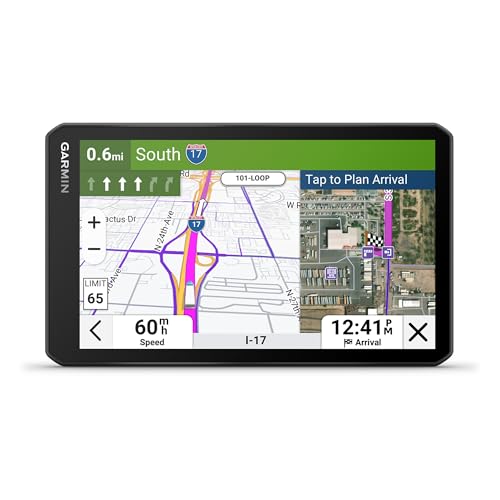
Garmin dēzl OTR720 7″ GPS Truck Navigator HRT Display
- ✓
- ✓ Clear 7″ display
- ✓ Truck-specific routing
- ✓ Community parking/dock data
- ✓
- ✕
- ✕ Requires app sync for some features
- ✕ Varies by region for data accuracy
- ✕
| Display size | 7-inch touchscreen |
| Routing features | Custom truck routing based on truck size and weight (availability varies by area) |
| Safety/alerts | Bridge height alerts, sharp curve alerts, wind speed weather overlay |
| Parking/Facility features | Truck parking recommendations and ratings via dēzl community; Truck & Trailer Services directory |
| Weight compliance tools | CAT Scale weight verification locations and PrePass carrier notifications (requires app pairing and active account) |
| Connectivity | BLUETOOTH-enabled smartphone integration with dēzl app for features like weather overlay and weigh station bypass |
You’re combining a big-screen confidence with real-world truck routes that actually respect weight and height limits. The moment you unfold the 7-inch display, you notice how bright and crisp the map looks, even in a bright cab.
It’s different from the generic car GPSs you’ve used, because it leans into truck-specific routing and awareness from the get-go.
Navigation feels more deliberate here, with truck dimensions baked into the route. I tested it around a busy corridor, and the detours felt smarter than typical options, especially near loading docks and gate entrances.
The BirdsEye Direct imagery is handy when you’re scouting a dock or an unfamiliar terminal before you arrive.
The display is responsive, and the screen size makes reading lane-worthy details without zooming constantly. It handles alerts for upcoming bridge heights and sharp curves well, which is a real peace of mind when you’re rolling through mixed-use corridors.
You’ll also notice the community features—parking spots and loading dock tips—pop up more often than I expected, which can save idle time and search frustration.
Setup was straightforward enough, especially if you’re already using Garmin’s ecosystem with the dēzl app. The PrePass pins and weigh-station prompts feel like they actually shave minutes off your day when your route happens to sync with your account.
Wind overlays and weather cues are a nice touch, though you’ll need the app to get the full effect on the map in real time.
In everyday use, the OTR720 shines when you’re trying to plan break times, find a truck-friendly parking option, or scope out nearby service locations. It’s not perfect in every rural pocket, but the overall package—routing, clarity, and community-driven extras—feels genuinely useful for long hauls.
If you’re chasing fewer surprises and better gate access, this unit earns its keep.
What Are the Key Features to Consider When Choosing the Best GPS for RVing?
When choosing the best GPS for RVing, several key features should be considered to ensure a smooth and safe travel experience.
- Route Customization: The ability to customize routes based on the size and weight of your RV is crucial. This ensures that the GPS avoids low bridges, narrow roads, and other obstacles that could pose a risk to larger vehicles.
- Real-Time Traffic Updates: A GPS that provides real-time traffic information can help you avoid congestion and delays. This feature allows you to reroute based on current conditions, saving time and reducing stress during your travels.
- Points of Interest (POI): Look for a GPS that includes a comprehensive database of RV-friendly points of interest, such as campgrounds, rest areas, and service stations. This feature helps you easily locate essential amenities along your route.
- Screen Size and Clarity: A larger, high-resolution screen is beneficial for easy readability while driving. This helps you quickly glance at directions without straining your eyes, enhancing overall safety on the road.
- User-Friendly Interface: An intuitive interface makes navigation simple and straightforward. It’s important to choose a GPS that allows you to input destinations and access features without excessive distractions while driving.
- Offline Maps: Having access to offline maps can be invaluable in areas with poor cellular service. This ensures that you can still navigate effectively even when connectivity is limited.
- Voice Command Functionality: GPS devices with voice command capabilities allow for hands-free operation, enabling you to keep your focus on the road. This feature enhances safety by minimizing the need to interact with the device while driving.
- Battery Life: A GPS with a long-lasting battery is especially important for RVers who may not always have access to charging. Good battery life ensures that the device remains operational during long stretches of travel.
- Durability and Weather Resistance: A rugged and weather-resistant GPS is ideal for the unpredictable conditions that may arise during RV trips. This feature ensures that the device can withstand various environmental factors, increasing its longevity.
How Do RV GPS Systems Differ from Standard GPS Devices?
RV GPS systems are specialized devices designed to cater to the unique needs of RV travelers, setting them apart from standard GPS devices.
- Route Customization: RV GPS systems allow users to input their vehicle’s size, weight, and type, which helps generate a route that avoids low bridges, weight limits, and unsuitable roads.
- Points of Interest (POI): These systems often include tailored points of interest relevant to RVers, such as campgrounds, rest areas, and dump stations, making it easier to find suitable stops along the way.
- Driver Alerts: RV GPS devices provide alerts for upcoming hazards, such as steep grades, sharp turns, and other road conditions that specifically affect larger vehicles, enhancing safety during travel.
- Navigation Features: Advanced features such as lane guidance, 3D terrain views, and voice commands are more prevalent in RV GPS systems, offering a more intuitive user experience for navigating complex routes.
- Connectivity: Many RV GPS models come with Wi-Fi connectivity, allowing for real-time traffic updates and weather forecasts, which can be crucial for RVers planning their route and stops.
Route customization in RV GPS systems ensures that the journey is safe and efficient by preventing the vehicle from entering hazardous areas unsuitable for larger sizes. By allowing users to input specific vehicle details, these devices optimize routes based on the unique characteristics of RV travel.
The inclusion of tailored points of interest in RV GPS devices makes it easier for travelers to locate essential amenities like campgrounds and rest areas. This feature significantly enhances the travel experience by providing convenient options that align with the needs of RVers.
Driver alerts serve as a vital safety feature in RV GPS systems, as they notify users of potential hazards related to large vehicles. This proactive approach helps in preparing the driver for upcoming challenges on the road, ensuring a safer journey.
Navigation features such as lane guidance and 3D terrain views are designed to assist RV drivers in making informed decisions while navigating complex intersections and changes in elevation. These features significantly improve the usability of the GPS, particularly for those unfamiliar with the area.
Connectivity options in RV GPS devices offer the advantage of accessing updated information, which is especially important for long-distance travelers. By receiving real-time alerts about traffic conditions and weather changes, RVers can make timely adjustments to their travel plans for a smoother experience.
What Are the Advantages of Using a GPS Specifically Designed for RVs?
| Feature | Standard GPS | RV GPS |
|---|---|---|
| Routing | General routes suitable for cars. | Routes optimized for RV height, weight, and length. |
| Points of Interest | Basic POI relevant for cars. | Specific RV-friendly campgrounds and services. |
| Alerts | Standard traffic and speed alerts. | Alerts for low bridges, steep grades, and RV restrictions. |
| Screen Size | Typically smaller screens. | Larger screens for easier visibility while driving. |
| Traffic Updates | Basic traffic updates available. | Real-time traffic updates and rerouting options for RVs. |
| Navigation Features | Basic navigation features. | Advanced features like voice commands and Bluetooth connectivity. |
| Battery Life | Standard battery life. | Enhanced battery life and power management options for extended use. |
What Common Challenges Do RVers Face When Selecting a GPS?
RVers often encounter various challenges when selecting the best GPS for their needs.
- Route Compatibility: Many GPS devices are designed for standard vehicles and may not account for the unique dimensions and weight of RVs.
- Data Updates: Regular map updates are crucial for accurate navigation, and not all GPS units provide timely or comprehensive updates.
- Screen Size and Readability: A smaller screen can be difficult to read while driving, making it essential to choose a device with an adequate display size for clear visibility.
- Features Specific to RVing: Some GPS units lack features tailored for RVers, such as road restrictions, campgrounds, and points of interest relevant to recreational vehicles.
- Cost vs. Value: The price of GPS devices can vary widely, and finding one that offers the best features for the price can be challenging.
- Ease of Use: A complicated interface can lead to confusion while on the road, so user-friendly navigation systems are preferred by RVers.
- Battery Life: Long trips may require a GPS with a robust battery life, and some devices may not last as long as needed without a power source.
Route compatibility is critical as RVs can be much larger than typical vehicles, and using a standard GPS may lead to routes unsuitable for their size. A GPS that allows users to input their vehicle’s height, weight, and length can help avoid low bridges or narrow roads.
Data updates are vital since road conditions, closures, and new routes can change frequently. Some GPS brands may require a subscription or additional fees for regular updates, which can affect long-term usability.
Screen size and readability cannot be overstated since navigating while driving requires clear and large display information. A GPS with a screen that is at least 7 inches is often recommended for ease of viewing.
Features specific to RVing, such as identifying RV-friendly routes and nearby campgrounds, are essential for enhancing the travel experience. A GPS that integrates this information can save time and prevent inconvenient detours.
The cost versus value dilemma is present due to the variety of GPS devices available at different price points, making it essential to assess which features are necessary for your RV lifestyle. Investing in a higher-quality GPS can yield better long-term benefits.
Ease of use is paramount as a complicated interface can lead to distractions while driving. A GPS with straightforward menus and voice commands can significantly enhance the user experience.
Battery life is a practical consideration, especially for those who may not have access to a power source while traveling. Choosing a device with a long-lasting battery or the ability to connect to a power outlet can ensure uninterrupted navigation.
How Do User Reviews and Ratings Impact Your Choice of the Best GPS for RVers?
User reviews and ratings play a crucial role in selecting the best GPS for RVers.
- Trustworthiness: User reviews provide real-life experiences and insights that can highlight the reliability and performance of a GPS device.
- Feature Evaluation: Ratings often emphasize specific features that may be particularly useful for RVers, such as route optimization for large vehicles or campsite navigation.
- Comparison with Competitors: Reviews can help compare different models and brands, giving potential buyers a clearer understanding of which GPS might be the best fit for their needs.
- Long-term Performance: Feedback from users over time can reveal how well a GPS functions under various conditions, including software updates and customer support.
- Community Recommendations: Many RVers rely on community feedback, as shared experiences can lead to discovering lesser-known but highly effective GPS options.
Trustworthiness: User reviews provide real-life experiences and insights that can highlight the reliability and performance of a GPS device. When potential buyers see consistent positive feedback on a product, it enhances their confidence in making a purchase.
Feature Evaluation: Ratings often emphasize specific features that may be particularly useful for RVers, such as route optimization for large vehicles or campsite navigation. Understanding which features have received praise or criticism can help users prioritize their needs when selecting a GPS.
Comparison with Competitors: Reviews can help compare different models and brands, giving potential buyers a clearer understanding of which GPS might be the best fit for their needs. This comparative analysis helps RVers make informed decisions based on collective user feedback rather than solely relying on marketing claims.
Long-term Performance: Feedback from users over time can reveal how well a GPS functions under various conditions, including software updates and customer support. Knowing how a product holds up after extensive use can be a deciding factor for RVers looking for durability and reliability.
Community Recommendations: Many RVers rely on community feedback, as shared experiences can lead to discovering lesser-known but highly effective GPS options. Engaging with other RV enthusiasts can uncover hidden gems that might not be as prominently marketed but serve the RV community exceptionally well.
Which GPS Devices Are Considered the Best for RVers Based on User Preference?
The best GPS devices for RVers are those that cater specifically to the unique needs of larger vehicles and provide reliable navigation features.
- Garmin RV 890: This GPS device offers a large 8-inch display and is designed specifically for RVs, allowing users to input their vehicle’s size and weight to avoid unsuitable routes.
- TomTom Go Camper: The TomTom Go Camper provides personalized routes based on the dimensions of the RV, and it includes points of interest relevant to campers and RVs.
- Rand McNally TND 750: Known for its robust features tailored for truck and RV navigation, the TND 750 includes detailed maps and the ability to plan multi-stop trips with ease.
- Magellan TRX7 CS: This GPS is designed for off-road adventures and includes trail maps, making it ideal for RVers who enjoy exploring less-traveled paths.
- Garmin Overlander: The Overlander combines on-road navigation with off-road trail mapping, making it versatile for RVers looking to venture into rugged terrains.
Garmin RV 890: This device is equipped with a bright, high-resolution touch screen that is easy to read in sunlight. It allows RVers to customize routes based on their vehicle’s dimensions, ensuring they avoid low bridges and restricted roads. Additionally, it features built-in Wi-Fi for easy map updates and access to RV parks and amenities.
TomTom Go Camper: The TomTom Go Camper stands out with its user-friendly interface and lifetime map updates. It provides route planning specifically for RVs, incorporating road restrictions based on vehicle size and weight. This device also highlights camper-friendly points of interest, ensuring a pleasant travel experience.
Rand McNally TND 750: This GPS offers an extensive database of RV parks and campgrounds, along with truck-specific routing that accommodates larger vehicles. The 7-inch screen provides clear, easy-to-follow directions, and the device is known for its durability on the road. Its trip planning feature allows users to set multiple waypoints, making it ideal for long journeys.
Magellan TRX7 CS: This unit is particularly favored by RVers who enjoy both on-road and off-road adventures. The TRX7 CS includes a comprehensive library of trails and off-road routes, which is beneficial for those who want to explore nature. Its rugged design ensures that it can withstand outdoor conditions while providing accurate navigation.
Garmin Overlander: The Overlander is designed for adventurers who require both on-road and off-road navigation. Its detailed topographic maps and off-road trail information make it suitable for exploring remote areas. Furthermore, the device features a robust build quality and is equipped with a variety of tools for outdoor enthusiasts, such as a compass and altimeter.
Related Post: