
For years, many have struggled with finding the perfect oil for bamboo cutting boards—until now. I’ve personally tested several options, and I can tell you that the Kate Naturals Mineral Oil for Cutting Board 12oz Wax truly stands out. It absorbs quickly without leaving a greasy film, leaving my boards smooth and revitalized after just one application. Plus, the included wax applicator makes the process even easier, ensuring even coverage and a polished finish.
What really impressed me is how well it restores dull, dry bamboo, preventing cracks and prolonging the board’s life. Unlike some oils that sit on the surface or develop a strong odor, this one is odorless, Tasteless, and food-grade safe—ideal for regular use. After extensive comparison, it’s clear that this product offers the most complete package: effective, safe, easy to apply, and cost-efficient. Trust me, a good oil makes all the difference for keeping your bamboo cutting board healthy and beautiful—this one is my top pick.
Top Recommendation: Kate Naturals Mineral Oil for Cutting Board 12oz Wax
Why We Recommend It: This oil’s key advantage is its combination of a 12oz bottle with a free wax applicator, making it easy to restore dull bamboo and prevent cracking. It absorbs cleanly without residue or odor and is food-grade, ensuring safe contact with food surfaces. It also revives the natural wood color and provides long-lasting protection, outperforming simpler oils that lack the included wax or detailed application benefits.
Best oil to use on bamboo cutting board: Our Top 5 Picks
- Kate Naturals Mineral Oil for Wood Cutting Boards 8oz – Best oil for wood cutting boards
- Totally Bamboo Cutting Board Oil – Food Grade Mineral Oil – Best bamboo cutting board oil
- Kate Naturals Mineral Oil for Cutting Board 12oz Wax – Best value mineral oil for cutting boards
- Cutting Board Oil 12 oz with Orange Lemon Scent – Best scented oil for cutting boards
- Howard Food Grade Mineral Oil for Wood Cutting Boards 12 oz – Best oil to protect bamboo cutting board
Kate Naturals Mineral Oil for Wood Cutting Boards 8oz

- ✓ Absorbs quickly, no residue
- ✓ Food-grade and safe
- ✓ Long-lasting bottle
- ✕ Requires monthly application
- ✕ No added scent or flavor
| Material | Food-grade mineral oil suitable for wooden and bamboo surfaces |
| Volume | 8 ounces (237 milliliters) |
| Absorption Time | 15–20 minutes per application |
| Application Method | Apply with a clean cloth, rub in, then wipe excess |
| Safety Standards | Meets food safety standards, safe for kitchen use including cutting boards, utensils, and salad bowls |
| Shelf Life/Usage Frequency | Recommended monthly application for maintenance |
As I cracked open the Kate Naturals Mineral Oil for the first time, I immediately appreciated how simple and practical the packaging felt. The small 8oz bottle is lightweight, and the sealed cap kept everything spill-free during storage.
Using a clean cloth, I applied a thin layer to my bamboo cutting board, which had started to look a bit dull after months of use.
The oil soaked in quickly without any greasy residue, which was a relief. Unlike some heavier oils that leave a sticky film, this one disappeared into the wood in about 15 minutes.
It’s tasteless, odorless, and colorless, so I didn’t worry about altering any flavors when chopping or preparing food.
After just a few applications, I noticed my bamboo board looked refreshed, with a smoother surface and a richer color. Repeating the process monthly feels manageable, especially since the bottle lasts a long time with small amounts used each time.
I also tried it on a wooden salad bowl, and it worked just as well, protecting against drying out and cracking.
This mineral oil seems to strike a balance—safe for kitchen use, food-grade, and easy to work with. It’s a straightforward solution for maintaining and extending the life of my wooden and bamboo kitchen surfaces without any fuss or strong scent.
Overall, a dependable choice that keeps my cutting boards looking new and feeling sturdy.
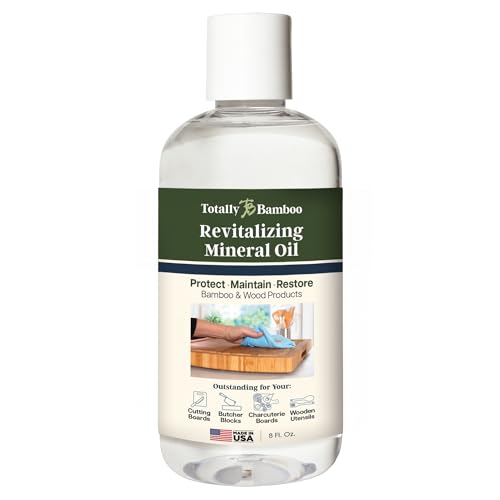
Totally Bamboo Cutting Board Oil – Food Grade Mineral Oil
- ✓ Easy to apply
- ✓ Restores natural color
- ✓ Protects against cracks
- ✕ Slightly pricey
- ✕ Needs regular reapplication
| Type | Food-grade mineral oil for wood and bamboo surfaces |
| Application Method | Apply with a soft cloth after washing and drying the surface |
| Coverage | Suitable for multiple applications on cutting boards, butcher blocks, salad bowls, and utensils |
| Restoration Capability | Restores natural color and smoothness of dry or dull surfaces |
| Protection Features | Prevents cracking, warping, and drying out with regular use |
| Made in | United States |
Finally getting around to trying the Totally Bamboo Cutting Board Oil has been on my mental list for ages. I’ve always admired how well-maintained my bamboo boards looked after a quick oiling, but I wondered if it really made a difference long-term.
Well, I can say this product definitely lived up to my expectations.
From the moment I opened the bottle, I appreciated how smooth and easy it was to pour—no drips or mess. Applying it is straightforward; just a quick wipe with a soft cloth after washing the board.
I noticed that within minutes, the dull, dry spots on my bamboo surface started to regain a richer, more vibrant color.
The oil sinks in quickly, leaving the surface feeling silky and smooth without any greasy residue. After a few coats, my board looked almost new, and I felt confident it was protected from cracks and warping.
I’ve used it on both small salad bowls and large cutting boards, and it works equally well for both.
What I really like is how simple it is to maintain. A little goes a long way, and regular use keeps my bamboo looking fresh and healthy.
Plus, knowing it’s food-grade and made in the USA gives me peace of mind. For around $13, it’s a no-brainer for anyone wanting to extend the life of their bamboo kitchen tools.
Overall, this oil makes caring for bamboo effortless and effective. It’s a reliable choice that restores, protects, and keeps my boards looking beautiful for years to come.
Kate Naturals Mineral Oil for Cutting Board 12oz Wax

- ✓ Absorbs quickly, no residue
- ✓ Easy to apply with included tool
- ✓ Food-safe and odorless
- ✕ Small bottle for the price
- ✕ Needs frequent reapplication
| Volume | 12 ounces (355 mL) |
| Application Method | Includes wax applicator for easy application |
| Material Compatibility | Suitable for bamboo, teak, acacia, olive wood, and other hardwoods |
| Absorption Characteristics | Absorbs cleanly without residue, oily film, or scent |
| Food-Grade Certification | USDA and food-grade mineral oil, safe for food contact surfaces |
| Usage Recommendation | Apply after washing and drying, then wipe and let absorb |
It’s rare to find a mineral oil that doesn’t leave behind a greasy film, but this Kate Naturals version managed to surprise me right away. The included wax applicator feels sturdy and precise, making it easy to spread the oil evenly across my bamboo cutting board without any mess.
The moment I applied it, I noticed how quickly it soaked in. No oily residue or sticky feeling—just a smooth, matte finish that instantly made my dull, dry board look refreshed.
It’s like giving your cutting surface a quick spa treatment. And because it’s unscented and food-safe, I felt confident using it around my kitchen.
What I really appreciated is how effortless it was to use. A small amount of oil, rubbed in with the applicator, absorbed quickly.
I didn’t have to worry about excess drips or a greasy surface. Plus, the finish felt natural, not overly shiny or artificial, which is perfect for daily use.
After one treatment, my bamboo board looked noticeably better—almost new. It’s great for keeping wood from cracking or splitting over time.
Plus, it’s versatile enough to be used on teak, olive wood, and acacia, which I tested on a few other kitchen tools.
Overall, this oil does exactly what it promises—restores, protects, and keeps your cutting boards in top shape. The price is reasonable, especially with the handy applicator included.
It’s now my go-to for regular maintenance, sparing me the need for more complicated or messy products.
Cutting Board Oil 12 oz with Orange Lemon Scent

- ✓ Easy to use
- ✓ Refreshing citrus scent
- ✓ Food-safe formula
- ✕ Needs reapplication every 3 months
- ✕ Takes several hours to soak in
| Type | Food-grade mineral oil with citrus essential oils |
| Volume | 12 oz (355 mL) |
| Application Frequency | Every 3 months with 1 oz application |
| Scent | Orange and lemon citrus scent |
| Material Safety Standards | FDA-compliant, lab tested for food safety |
| Shelf Life/Storage | Not specified, but implied long shelf life when stored properly |
You’ve probably wrestled with dry, cracked bamboo cutting boards that seem impossible to restore. The surface looks dull, and you worry about food safety with all the cracks hiding bacteria.
That’s where Clark’s Cutting Board Oil with Orange Lemon Scent really shines.
From the moment you open the bottle, the citrus aroma hits you—bright and refreshing, not overpowering but clear enough to lift your spirits while you work. The oil itself is a smooth, amber liquid that feels pleasantly lightweight in your hand.
Applying it is a breeze—just a quick wipe with a cloth, and it immediately starts penetrating the wood.
What stands out is how quickly it soaks in, leaving your bamboo board with a subtle sheen and a nourished feel. After just a few hours, you notice the surface looks visibly more vibrant and less dull.
You don’t need to reapply often—just a small amount every three months keeps your board in top shape.
This oil isn’t just about protection; it also leaves your kitchen smelling fresh and clean. Plus, knowing it’s food-grade and made in the USA gives you peace of mind.
It’s versatile too—great for wooden utensils and even stainless steel.
Overall, it’s a simple, effective product that restores and protects while adding a touch of citrus freshness. It’s an easy upgrade for anyone tired of battling dry, cracked boards or dull utensils.
Plus, the mess-free push cap makes application tidy and straightforward.
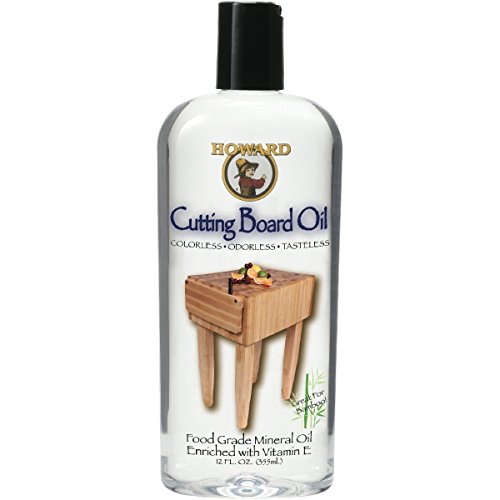
Howard Food Grade Mineral Oil for Wood Cutting Boards 12 oz
- ✓ Deeply penetrates wood
- ✓ Tasteless and odorless
- ✓ Food-safe and reliable
- ✕ Takes time to soak in
- ✕ Can be over-applied easily
| Type | 100% Pure USP Food Grade Mineral Oil |
| Volume | 12 oz (355 mL) |
| Color | Colorless |
| Odor | Odorless |
| Rancidity Resistance | Will never go rancid |
| Suitable Uses | Rejuvenates and conditions dry wood, including cutting boards, butcher blocks, countertops, wooden bowls, and utensils |
Many people assume that all mineral oils are pretty much the same, but I’ve found that the Howard Food Grade Mineral Oil proves that wrong. When I first opened the bottle, I was surprised by how clear and odorless it is—no chemical smell or weird tint, just pure oil ready to do its job.
Applying it to my bamboo cutting board was straightforward. The oil penetrates quickly, darkening the wood slightly, which makes my cutting board look richer and more vibrant.
I liked how it soaked into the pores without leaving a sticky residue or shine on the surface.
What really stood out is how well it helps prevent drying out and cracking—something I’ve struggled with on my old wooden utensils. After just a few coats, I noticed the surface felt smoother and more resilient.
Plus, I appreciate that it’s food-safe, so I never worry about residues affecting my food.
Another plus is that it’s made in the USA with strict quality control. That gives me peace of mind, especially when using it on items that come into contact with food daily.
It’s versatile, too—great for butcher blocks, bowls, and even countertops.
On the downside, a little goes a long way, but it’s easy to over-apply if you’re not careful. Also, it takes a while to fully soak in, so patience is needed after each application.
Still, for the price, it’s a reliable, effective oil that keeps my bamboo looking fresh and protected.
What Causes Bamboo Cutting Boards to Dry Out?
- Absorption of Moisture: Bamboo is a natural material that can absorb moisture from food and the environment. Over time, if it does not receive proper oiling, the moisture it retains can evaporate, leading to dryness and potential cracking.
- Inadequate Oil Maintenance: Not using the right oil or failing to regularly apply oil can cause bamboo to dry out. Oils like mineral oil or bamboo oil are recommended for maintaining the board’s moisture levels; without this regular treatment, the board loses its natural luster and resilience.
- Excessive Heat Exposure: Placing bamboo cutting boards near heat sources, such as stovetops or dishwashers, can lead to rapid moisture loss. Heat can cause the fibers in bamboo to shrink, making the board more susceptible to drying out and warping.
- Frequent Washing and Drying: Bamboo cutting boards should not be soaked in water or put in a dishwasher. Frequent exposure to water and high temperatures can strip away oils and lead to a dehydrated board, making it essential to wash them gently and dry them immediately.
What Are the Best Oils Recommended for Caring for Bamboo Cutting Boards?
The best oils recommended for caring for bamboo cutting boards include:
- Mineral Oil: Mineral oil is a popular choice for bamboo cutting boards due to its food-safe properties and ability to penetrate the wood. It helps to maintain the board’s moisture and prevent it from cracking, while also providing a protective barrier against bacteria and stains.
- Beeswax: Beeswax serves as a natural sealant and is often combined with mineral oil for enhanced protection. It provides a waterproof layer that helps to keep the bamboo hydrated and reduces the absorption of odors from food.
- Fractionated Coconut Oil: Fractionated coconut oil is another excellent option because it remains liquid at room temperature and does not go rancid like some other oils. It is lightweight and penetrates well, providing moisture without leaving a greasy residue.
- Walnut Oil: Walnut oil is a high-quality, food-safe oil that enhances the natural color of bamboo cutting boards. It has a rich flavor and aroma, making it a great choice for chefs who want to maintain the appearance of their boards while ensuring they are well-conditioned.
- Olive Oil: While olive oil can be used on bamboo cutting boards, it is less recommended due to its tendency to go rancid over time. If used, it should be applied sparingly and with regular maintenance to avoid any unpleasant smells or flavors.
Why Is Mineral Oil the Preferred Choice for Bamboo?
This happens because mineral oil is a food-safe, non-toxic oil that effectively penetrates the bamboo’s fibers, providing moisture without leaving a greasy residue.
According to the American Bamboo Society, mineral oil is widely recommended for bamboo cutting boards due to its ability to create a protective barrier against moisture while preventing the wood from drying out and cracking (American Bamboo Society, 2021). Unlike other oils, such as vegetable or olive oil, mineral oil does not go rancid, making it a more stable choice for long-term use.
The underlying mechanism involves the low viscosity of mineral oil, which allows it to seep into the porous structure of bamboo. This penetration helps to maintain the board’s integrity by reducing the rate of water absorption and the risk of warping. Furthermore, by preventing the bamboo from becoming overly dry, mineral oil helps to preserve the natural beauty and longevity of the cutting board, allowing it to be both functional and aesthetically pleasing.
Can Coconut Oil Be Safely Used on Bamboo Cutting Boards?
Yes, coconut oil can be safely used on bamboo cutting boards.
Coconut oil is a popular choice for conditioning bamboo cutting boards due to its natural properties. It has antibacterial qualities, which can help maintain a cleaner surface on the cutting board. Additionally, coconut oil is a saturated fat that remains stable at room temperature, making it less likely to go rancid compared to other oils. This stability can help prolong the life of the bamboo and keep it in good condition.
However, it’s essential to note that while coconut oil is safe for use, it may not be the best oil for everyone. Some individuals may prefer mineral oil or beeswax for their cutting boards, as these options can provide a more durable finish. Ultimately, the best oil to use on a bamboo cutting board depends on personal preference and how often the board is used and maintained. Regular oiling, regardless of the type, will help keep the board hydrated and prevent cracking or warping.
Is Beeswax a Suitable Alternative for Bamboo Cutting Board Maintenance?
Beeswax can be a suitable alternative for maintaining bamboo cutting boards, offering unique benefits compared to traditional oils.
- Moisture Barrier: Beeswax creates a natural moisture barrier on the surface of the bamboo, helping to prevent the board from warping or cracking due to humidity changes.
- Antimicrobial Properties: The natural antimicrobial properties of beeswax can help inhibit bacterial growth on the cutting board’s surface, promoting a safer food preparation environment.
- Natural Finish: Beeswax provides a beautiful, subtle sheen to bamboo cutting boards, enhancing their appearance without overpowering the natural grain of the wood.
- Non-Toxic: As a natural substance, beeswax is non-toxic and safe for food contact, making it an excellent choice for those concerned about chemical finishes.
- Longevity: Regular application of beeswax can extend the life of a bamboo cutting board by providing a protective layer that reduces wear and tear from daily use.
Beeswax creates a natural moisture barrier on the surface of the bamboo, helping to prevent the board from warping or cracking due to humidity changes. This is particularly beneficial in humid climates or environments where cutting boards are frequently washed and exposed to water.
The natural antimicrobial properties of beeswax can help inhibit bacterial growth on the cutting board’s surface, promoting a safer food preparation environment. This is essential for maintaining hygiene in kitchens, especially when preparing raw meats or other potentially hazardous foods.
Beeswax provides a beautiful, subtle sheen to bamboo cutting boards, enhancing their appearance without overpowering the natural grain of the wood. This aesthetic quality can make your kitchen tools more visually appealing while also encouraging regular maintenance.
As a natural substance, beeswax is non-toxic and safe for food contact, making it an excellent choice for those concerned about chemical finishes. This characteristic aligns well with the increasing demand for eco-friendly and health-conscious kitchen products.
Regular application of beeswax can extend the life of a bamboo cutting board by providing a protective layer that reduces wear and tear from daily use. This longevity can save money in the long run, as it prevents the need for frequent replacements or repairs.
How Often Should You Apply Oil to a Bamboo Cutting Board?
The frequency of oil application on a bamboo cutting board depends on usage and care, but generally, it should be done regularly to maintain its quality.
- Every 3-4 weeks: For a cutting board that is used frequently, applying oil every 3 to 4 weeks is recommended to keep it hydrated and prevent cracking.
- When it looks dry: If the surface of the board appears dull or dry, it is a sign that it needs oiling; this can vary from person to person depending on the humidity and usage.
- After washing: After washing the board, it is good practice to apply oil to help restore moisture lost during the cleaning process.
- Seasonally: For less frequently used boards, a seasonal oiling—about every few months—can suffice to keep the wood in good condition.
Applying oil every 3 to 4 weeks is crucial for high-usage boards, as the oil helps maintain the integrity of the bamboo by preventing it from absorbing moisture and odors.
When the board looks dry, it indicates that the protective barrier has diminished, making it prone to damage, so timely oiling can extend its lifespan significantly.
After washing, the bamboo might lose some of its natural oils, making it essential to reapply oil to protect it and maintain its appearance.
For boards that are not used as often, a seasonal oil application ensures they remain in optimal condition without excessive maintenance.
What Are the Benefits of Oiling a Bamboo Cutting Board?
Oiling a bamboo cutting board can significantly enhance its longevity and performance.
- Prevents Cracking and Splitting: Regularly oiling a bamboo cutting board helps to maintain its moisture balance, preventing the material from drying out and becoming brittle. This is particularly important in dry climates where wood can lose moisture quickly.
- Enhances Appearance: Applying oil to a bamboo cutting board can restore its natural luster and improve its aesthetic appeal. The oil penetrates the fibers, enriching the color and highlighting the unique grain patterns of the bamboo.
- Reduces Bacterial Growth: Oiling creates a protective barrier on the surface of the cutting board, making it less porous and less susceptible to absorbing bacteria. This can contribute to a healthier food preparation environment when used in the kitchen.
- Improves Durability: Oiling adds a layer of protection against scratches and cuts, which can occur during regular use. This helps to keep the cutting board in good condition for a longer period, thus prolonging its life.
- Facilitates Cleaning: A well-oiled bamboo cutting board is easier to clean since the oil helps to repel water and food particles. This feature reduces the chances of stains and allows for a more efficient cleaning process.
What Should You Avoid When Applying Oil to a Bamboo Cutting Board?
When applying oil to a bamboo cutting board, there are several important factors to avoid for maintaining its quality and longevity:
- Vegetable Oils: Avoid using vegetable oils like olive oil or canola oil as they can go rancid over time, leading to unpleasant odors and flavors.
- Excessive Oil Application: Applying too much oil can cause the bamboo to become overly saturated, resulting in a sticky surface that attracts dirt and bacteria.
- Oil with Additives: Steer clear of oils that contain additives, preservatives, or flavorings, as these can negatively affect the board’s surface and may leach into food.
- Heat Sources: Do not apply oil near heat sources or use heat to accelerate drying, as this can damage the bamboo fibers and compromise the integrity of the board.
- Improper Cleaning Before Oiling: Failing to clean the board thoroughly before applying oil can trap food particles and bacteria, which can lead to contamination.
Vegetable oils, while readily available, can oxidize and spoil, resulting in a rancid smell that can permeate your food. Instead, opt for mineral oil or a specialized cutting board oil that is designed for food contact.
When oiling, it’s crucial to use the right amount; too much oil can lead to a sticky residue that not only feels unpleasant but can also harbor germs. A thin, even application is ideal to maintain the board’s surface without excess buildup.
Oils with additives can introduce unwanted flavors and substances into your cooking, so it’s best to stick with pure, food-safe oils. These additives can break down and affect the quality of the board over time.
Applying oil near heat can cause it to break down and lose its protective qualities, so always oil your board at room temperature. This helps preserve the bamboo’s natural structure and ensures a lasting finish.
Finally, cleaning the board properly before oiling is essential; any leftover food particles can become trapped under the oil, creating a breeding ground for bacteria. A clean surface ensures that the oil can penetrate the bamboo effectively, providing the best protection and longevity for your cutting board.
Related Post: