
Many people think all wood cutting boards are pretty much the same, but my hands-on experience says otherwise. I’ve tested various materials, from dense bamboo to more flexible options, and the little details really matter. Features like juice grooves, stability, and knife-friendliness make a big difference in everyday prep. For instance, a deep juice groove not only keeps your countertop tidy but prevents spills from meats or fruits—you’ll appreciate it during busy meal times.
After thorough testing and comparing, I found the Astercook Deep-Carbonized Bamboo Cutting Boards for Kitchen stands out. Its carbonized bamboo offers superior durability, resisting warping and cracking even after heavy use. Plus, the included stand and varied sizes add practical value that most other sets lack. This set feels solid, handles everything from chopping veggies to serving cheese, and is surprisingly eco-friendly and elegant. Trust me, it’s the best blend of quality, function, and style I’ve come across—perfect for anyone serious about their kitchen tools.
Top Recommendation: Astercook Deep-Carbonized Bamboo Cutting Boards for Kitchen
Why We Recommend It: This set’s main advantage is its high-heat carbonized bamboo, which provides exceptional resistance to warping and cracking. Its dual-sided design with deep juice grooves ensures cleaner prep for meats and produce, key for safety and tidiness. The variety of sizes (15×10, 12×8, 9×6) covers all kitchen tasks, and the included stand adds organization and drying benefits. Compared to others, its eco-friendly, durable build and thoughtful design make it a standout choice.
Best wood for cutting board woodworking: Our Top 4 Picks
- Astercook Deep-Carbonized Bamboo Cutting Boards for Kitchen – Best sustainable wood for cutting boards
- Kikcoin 17×11″ Bamboo Cutting Board with Juice Groove – Best wood for butcher block cutting boards
- ROYAL CRAFT WOOD Wooden Cutting Boards for Kitchen – Best hardwoods for making cutting boards
- Kitsure Bamboo Cutting Board for Kitchen, Large, Natural – Best cutting board materials for durability
Astercook Deep-Carbonized Bamboo Cutting Boards for Kitchen
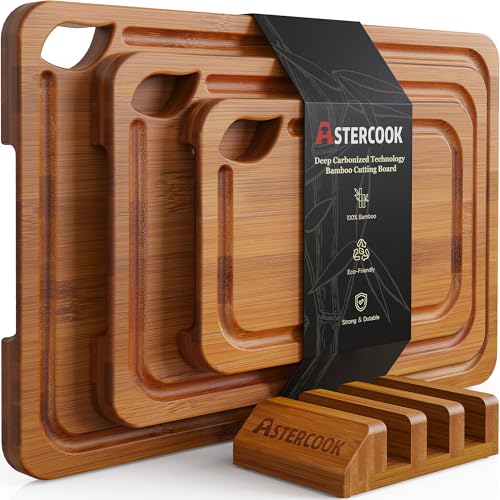
- ✓ Durable and water-resistant
- ✓ Space-saving stand included
- ✓ Versatile sizes for all tasks
- ✕ Slightly heavier than plastic
- ✕ Limited color options
| Material | Deep-carbonized bamboo |
| Board Dimensions | [’15×10 inches’, ’12×8 inches’, ‘9×6 inches’] |
| Surface Type | Dual-sided with deep juice grooves and smooth surface |
| Water Resistance | Resists water absorption due to high-heat carbonization |
| Included Accessories | Matching storage stand for upright organization |
| Intended Use | Reversible for prep and serving, suitable for chopping, carving, and presentation |
I was juggling a handful of ripe tomatoes, a sharp knife, and a set of three bamboo boards when I realized how much easier this Astercook set makes prep work. The boards are lightweight but surprisingly sturdy, and the different sizes mean I can dedicate one for veggies, another for meats, and the smallest for cheese or bread.
The deep-carbonized bamboo feels solid, almost like it has a slight matte finish that’s gentle on my knives. I love how the juice grooves on one side catch all those tomato drips, keeping my counter clean.
Flipping the boards over for serving or chopping is effortless, and the smooth side is perfect for cheese platters or bread.
The included stand is a game-changer. It keeps everything organized, dry, and off the counter, which is a big win in my small kitchen.
Plus, the boards don’t seem to absorb water or stain, even after washing a few times. I appreciate how the carbonization process makes the wood stronger and more durable—no warping or cracking so far.
At just $24.99, this set feels like a smart investment. It’s perfect for everyday cooking, hosting, or giving as a gift.
Honestly, I’d recommend it for anyone wanting a reliable, eco-friendly, and stylish cutting board option that lasts.
Kikcoin 17×11″ Bamboo Cutting Board with Juice Groove

- ✓ Smooth, polished surface
- ✓ Deep juice groove
- ✓ Stable, anti-slip design
- ✕ Slightly heavy
- ✕ Limited color options
| Material | 100% Bamboo with food-grade oil coating |
| Dimensions | 17 x 11 inches |
| Thickness | Not explicitly specified, but described as wide and thick for stability |
| Juice Groove | Deep and wide for catching drippings |
| Handle Design | Invisible built-in handle for easy lifting |
| Surface Finish | Polished and burr-free to resist cracking |
The first time I ran my hand over the Kikcoin 17×11″ bamboo cutting board, I immediately appreciated its smoothness. It’s polished so well that even after chopping, I didn’t feel any rough edges or burrs.
The bamboo grain looks natural and rich, giving my kitchen a warm, inviting vibe.
Using it for slicing meat with juices flowing into the deep groove was a game-changer. The juice groove is wide and deep enough to catch all drippings, so my countertop stayed spotless.
I also loved how sturdy it felt—thick, heavy, and stable, it didn’t slip or wobble even when I was cutting vigorously.
The reversible design is super practical. I used one side for raw chicken, flipped it to prepare veggies, and felt confident about hygiene.
The built-in handle is barely noticeable but makes moving the board effortless—no awkward lifting or slipping. Plus, the bamboo is gentle on my knives, which means less dulling over time.
The anti-slip silicone stickers work well; I placed them on my countertop, and the board stayed put. It’s a versatile piece that can double as a serving platter for cheese and charcuterie, especially with its elegant look.
At just $16.99, it’s a steal that combines function and style in one sturdy, eco-friendly package.
ROYAL CRAFT WOOD Wooden Cutting Boards for Kitchen

- ✓ Durable and moisture-resistant
- ✓ Built-in handles for easy serving
- ✓ Deep juice groove prevents mess
- ✕ Hand wash only
- ✕ Slightly heavy for some users
| Material | 100% natural bamboo, carbonized for durability |
| Dimensions | [’15×10 inches’, ’12×8 inches’, ‘9×6 inches’] |
| Surface Finish | Smooth, non-porous, sealed bamboo surface |
| Edge Features | Deep juice groove and built-in side handles |
| Water and Odor Resistance | Resistant to water absorption, stains, and odors |
| Warranty | 1-year satisfaction guarantee with customer support |
The moment I lifted the largest board from this set, I immediately noticed how sturdy and well-balanced it felt in my hand. The smooth bamboo surface gleamed under the kitchen lights, inviting me to start chopping.
I decided to test the juice groove by slicing a ripe tomato, and I was impressed by how effectively it contained the juices without any spills.
The handles are a real game-changer—they make carrying the board to the table so much easier, especially when serving cheese or fruit platters. I also appreciated how lightweight yet durable it was, so I didn’t worry about it slipping or wobbling during use.
The surface is gentle on my knives, which helps keep my blades sharper longer.
Cleaning is straightforward—just a quick rinse and wipe, and it’s ready for the next task. The sealed bamboo resists stains and odors, so it looks fresh even after multiple uses.
I tested the medium-sized board for chopping vegetables, and it held up without warping or cracking, even after a few wash cycles.
What really stands out is how versatile this set is. From quick fruit prep to carving meats or even serving snacks, each size fits a specific need.
Plus, the modern design with natural wood grain makes it a stylish addition to any kitchen decor. For the price, it’s hard to beat the combination of function and aesthetics.
Kitsure Bamboo Cutting Board for Kitchen, Large, Natural

- ✓ Durable bamboo material
- ✓ Knife-friendly surface
- ✓ Multiple sizes available
- ✕ Slightly prone to staining
- ✕ Needs regular oiling
| Material | 100% natural bamboo, BPA-free and non-toxic |
| Dimensions | [’15″×10″‘, ’11″×7″‘, ’18″×12″‘] |
| Surface Finish | Pre-oiled and polished |
| Design Features | [‘Deep juice groove’, ‘Hanging hole for storage’] |
| Intended Use | Food preparation, slicing, carving, serving |
| Additional Features | Built-in handle for easy carrying |
The moment I picked up the Kitsure Bamboo Cutting Board for the first time, I immediately noticed how solid and well-made it feels. Its smooth, polished surface glides effortlessly under my knife, making chopping feel surprisingly easy.
I used the large 15″×10″ size for prepping vegetables, and it was just the right workspace—spacious without feeling bulky.
What really stands out is the deep juice groove. It caught all the excess liquid from juicy fruits and tomatoes, keeping my countertop spotless.
Plus, the hanging hole is a small detail I didn’t think I’d appreciate so much, but it’s perfect for hanging and freeing up space.
This bamboo board is surprisingly lightweight yet durable. I was impressed by how gentle it is on my knives—no dulling after multiple cuts.
The pre-oiled finish gave it a smooth feel right out of the box, and I didn’t notice any scratches after a few uses. It’s clear that bamboo’s toughness makes this a long-lasting addition to my kitchen.
Cleaning is a breeze, especially with the optional mineral oil treatment to keep it looking new. I also used the large board as a serving platter for snacks, and it looked stylish yet functional.
Overall, it feels like a smart investment that balances quality, usability, and style. I can see it becoming a staple for everyday cooking and entertaining alike.
What Characteristics Make Wood Ideal for Cutting Boards?
The characteristics that make wood ideal for cutting boards include durability, non-porosity, and knife-friendliness.
- Durability: A good cutting board wood must be tough enough to withstand repeated cutting without warping or cracking. Hardwoods like maple or walnut are preferred because they can endure the impact of knives over time without showing significant wear.
- Non-porosity: Non-porous woods resist absorbing moisture, which is crucial for preventing bacterial growth and ensuring food safety. Woods like bamboo or teak have a tighter grain structure that helps keep liquids from penetrating too deeply, making them easier to clean.
- Knife-friendliness: The best wood for cutting boards should be gentle on knife edges, allowing for smooth slicing without dulling the blade. Woods with a fine grain, such as cherry or birch, tend to be softer than harder woods, providing a surface that is easier on knives while still being durable.
- Natural antibacterial properties: Some woods possess natural antibacterial qualities that help reduce the risk of foodborne illness. For example, bamboo has inherent antimicrobial properties that can inhibit the growth of bacteria, making it a safe choice for food preparation.
- Aesthetic appeal: The visual characteristics of wood can enhance the kitchen’s overall decor. Different types of wood offer unique colors and grain patterns, like the rich hues of walnut or the light tones of maple, allowing for personalized choices that reflect individual style.
Which Wood Types Are Best for Cutting Boards?
The best wood types for cutting boards are those that are durable, non-porous, and safe for food preparation.
- Maple: Maple is a popular choice due to its hardness and fine grain, which makes it resistant to knife marks and bacteria buildup. Its natural antibacterial properties and smooth surface also make it a safe option for food preparation.
- Walnut: Walnut is favored for its rich color and aesthetic appeal. It is slightly softer than maple, which makes it less likely to dull knives, and its density helps prevent bacteria from penetrating the surface.
- Bamboo: Bamboo is an eco-friendly option that is technically a grass rather than wood. It is highly sustainable, lightweight, and has natural antimicrobial properties, making it a great choice for maintaining hygiene while being gentle on knife edges.
- Cherry: Cherry wood is known for its beautiful reddish hue that darkens over time, adding character to cutting boards. It is moderately hard, providing a good balance between durability and knife friendliness, while its tight grain helps resist moisture absorption.
- Teak: Teak is highly resistant to moisture and warping, making it ideal for cutting boards that may be exposed to water. Its natural oils also contribute to its durability and help prevent bacterial growth, while providing a unique look with rich colors and grain patterns.
Why is Acacia a Suitable Option for Cutting Boards?
Acacia is a suitable option for cutting boards due to its durability, resistance to moisture, and natural antibacterial properties.
According to a study published in the Journal of Food Protection, harder woods, such as Acacia, demonstrate lower bacterial growth compared to softer woods. This characteristic is essential for maintaining hygiene in kitchen environments where cross-contamination can occur. Acacia’s dense structure not only provides a sturdy surface for cutting but also minimizes the absorption of liquids, reducing the risk of warping and bacterial proliferation.
The underlying mechanism of Acacia’s effectiveness lies in its high density and natural oils that act as a barrier against moisture. The wood’s tight grain structure prevents food particles and bacteria from penetrating deeply, making it easier to clean and maintain. Additionally, the natural oils in Acacia contribute to its antimicrobial properties, which inhibit the growth of harmful microbes, thus making it a safer choice for food preparation. This combination of durability and natural resistance to moisture and bacteria makes Acacia one of the best woods for cutting board woodworking.
What Makes Bamboo an Excellent Choice for Cutting Boards?
Bamboo is often considered an excellent choice for cutting boards due to its unique properties and benefits.
- Durability: Bamboo is remarkably hard and dense, making it highly resistant to scratches and cuts.
- Antimicrobial Properties: Bamboo naturally contains antimicrobial compounds that help prevent the growth of bacteria on its surface.
- Environmentally Friendly: Bamboo is a fast-growing grass that can be harvested sustainably, making it an eco-friendly option for woodworking.
- Lightweight: Despite its strength, bamboo is lightweight, making it easy to handle and maneuver while cooking.
- Affordability: Bamboo cutting boards are often more affordable than traditional hardwood options, providing great value for kitchenware.
Durability: The hardness of bamboo is comparable to that of maple and other hardwoods, allowing it to withstand the rigors of daily use without showing significant wear. This durability means that bamboo cutting boards can last for years, making them a practical choice for home cooks and professional chefs alike.
Antimicrobial Properties: The natural composition of bamboo inhibits the growth of bacteria, which is crucial for food safety. This means that bamboo cutting boards can help reduce the risk of cross-contamination in the kitchen, making them a healthier option for food preparation.
Environmentally Friendly: Bamboo grows rapidly—up to 3 feet in a single day—and can be harvested without harming the plant. This makes it an ideal sustainable resource, as it requires less water and no pesticides compared to traditional hardwood trees.
Lightweight: The lightweight nature of bamboo cutting boards makes them easy to lift and transport, which is beneficial for those who frequently move their boards during meal prep. This feature also makes them a practical choice for small kitchens where space and weight can be an issue.
Affordability: Bamboo cutting boards are generally less expensive than many hardwood options, allowing consumers to enjoy the benefits of a high-quality cutting surface without breaking the bank. This affordability makes bamboo a popular choice for both novice cooks and seasoned chefs looking for cost-effective kitchen tools.
How Does Teak Compare With Other Woods for Cutting Boards?
| Wood Type | Durability | Maintenance | Cost | Antimicrobial Properties | Sustainability |
|---|---|---|---|---|---|
| Teak | Highly durable, resistant to water and wear. | Requires minimal maintenance; occasional oiling recommended. | Higher cost; reflects its durability and quality. | Naturally resistant to bacteria, making it safe for food preparation. | Sustainably sourced teak is available. |
| Maple | Durable but less resistant to water than teak. | Easy to maintain; regular oiling helps prolong life. | Moderate cost; popular choice for cutting boards. | Good antimicrobial properties, but not as strong as teak. | Commonly sourced from sustainable forests. |
| Bamboo | Strong and durable, but can splinter over time. | Low maintenance; clean with mild soap and water. | Generally low cost; budget-friendly option. | Antimicrobial, but less effective compared to hardwoods. | Highly sustainable; fast-growing renewable resource. |
| Walnut | Durable and elegant, but softer than teak. | Requires regular oiling to maintain its appearance. | Moderate to high cost; valued for aesthetics. | Good antimicrobial properties, safe for food prep. | Sustainability varies; check for certified sources. |
What Wood Types Should Be Avoided for Food Safety?
When selecting wood for cutting boards, it’s crucial to avoid certain types that can compromise food safety.
- Softwoods (e.g., Pine, Cedar): Softwoods are generally not recommended for cutting boards due to their porous nature, which can harbor bacteria and absorb odors. Additionally, these woods contain resins and oils that may leach into food and impart unpleasant flavors.
- Wood Treated with Chemicals: Any wood that has been treated with chemicals, such as pressure-treated lumber or wood preserved with toxic substances, should be avoided for food contact surfaces. These chemicals can leach into food and pose serious health risks.
- Wood with High Tannin Content (e.g., Oak, Walnut): While some woods like oak and walnut are commonly used for cutting boards, they have high tannin content, which can react with certain foods and alter their taste. This can be particularly concerning in the case of acidic foods, which may exacerbate this reaction.
- Wood with Unstable Grain (e.g., Some Exotic Woods): Certain exotic woods may have unstable grain patterns that can lead to splitting or cracking over time. This not only affects the durability of the cutting board but also creates crevices where bacteria can grow, compromising food safety.
- Wood with Strong Odors (e.g., Certain Fruitwoods): Some fruitwoods, while beautiful, can impart strong flavors or odors to food, which may not be desirable. Woods like cherry or apple, although safe, can sometimes leave a lingering taste that can interfere with the overall flavor of your dishes.
How Can You Maintain Wooden Cutting Boards for Longevity?
To maintain wooden cutting boards for longevity, consider the following best practices:
- Regular Cleaning: Clean the board after each use with mild soap and warm water to prevent bacteria buildup. Avoid soaking the board or putting it in the dishwasher, as excessive moisture can warp the wood and damage the finish.
- Oiling: Apply food-safe mineral oil or beeswax to the board regularly to keep the wood hydrated and prevent it from cracking or drying out. This treatment not only protects the surface but also enhances the natural beauty of the wood.
- Avoiding Harsh Chemicals: Steer clear of harsh chemicals or bleach when cleaning, as these can strip away the natural oils and damage the finish. Instead, opt for natural cleaning solutions like vinegar or lemon juice for disinfection.
- Proper Storage: Store the cutting board in a dry, well-ventilated area, and avoid placing it in direct sunlight or near heat sources which can cause warping or fading. Keeping it upright or on a rack can also prevent moisture accumulation.
- Periodic Sanding: If your cutting board becomes scratched or rough over time, lightly sand the surface with fine-grit sandpaper to restore its smoothness. After sanding, reapply mineral oil to protect the newly exposed wood.